Neurofeedback in Turkey — Get 3 Top Clinic Matches with Costs


Medically reviewed by
Fahad Mawlood
How Much Does Neurofeedback Cost in Turkey?
Neurofeedback in Turkey typically costs from $540 to $1,800 depending on the session count and diagnosis. Prices vary based on the clinic location in Istanbul or Antalya and the complexity of the brain mapping required. In the US, similar procedures cost around $3,800 on average. Patients save around 68% compared to US rates. Standard inclusions often cover the initial EEG, specialist consultations, and multiple therapy sessions.
- Session-based pricing: Standard protocols often follow a per-session rate.
- Diagnostic brain mapping: Initial qEEG assessments typically add to the base cost.
- Targeted mood programs: Protocols for bipolar disorder or ADHD may involve higher costs.
- Regional variations: Facilities in Istanbul and Antalya serve as the primary psychiatric hubs.
Bookimed Expert Insight: Choosing a multidisciplinary center offers superior value over smaller specialized boutiques. Clinics like Memorial Şişli Hospital, the first JCI-accredited facility in Turkey, provide neurofeedback within a massive 92-department infrastructure. This ensures that any underlying neurological or metabolic issues are addressed simultaneously. International patients benefit from high-volume centers that attract visitors from over 160 countries annually.
| Turkey | Austria | Spain | |
|---|---|---|---|
| Neurofeedback | from $540 | ≈ $1,300 | ≈ $1,100 |
Your Benefits and Guarantees with Bookimed
Transparent Prices & Flexible Installments
No hidden fees – just official clinic prices. Pay at the clinic for Neurofeedback upon arrival and use a flexible installment plan if needed.
Verified Clinics & Doctors Only
Bookimed is committed to your safety. We only work with medical institutions that maintain high international standards in Neurofeedback and have the necessary licenses to serve international patients worldwide.
Free 24/7 Assistance
Bookimed offers free expert assistance. A personal medical coordinator supports you before, during, and after your treatment, solving any issues. You're never alone on your Neurofeedback journey.

Your personal Bookimed medical coordinator
- Supports you at every stage
- Helps choose the right clinic and doctor
- Ensures quick and convenient access to information
Discover the Best Neurofeedback Clinics in Turkey: 6 Verified Options and Prices





Nobel Medical, Physical Therapy & Rehabilitation Center



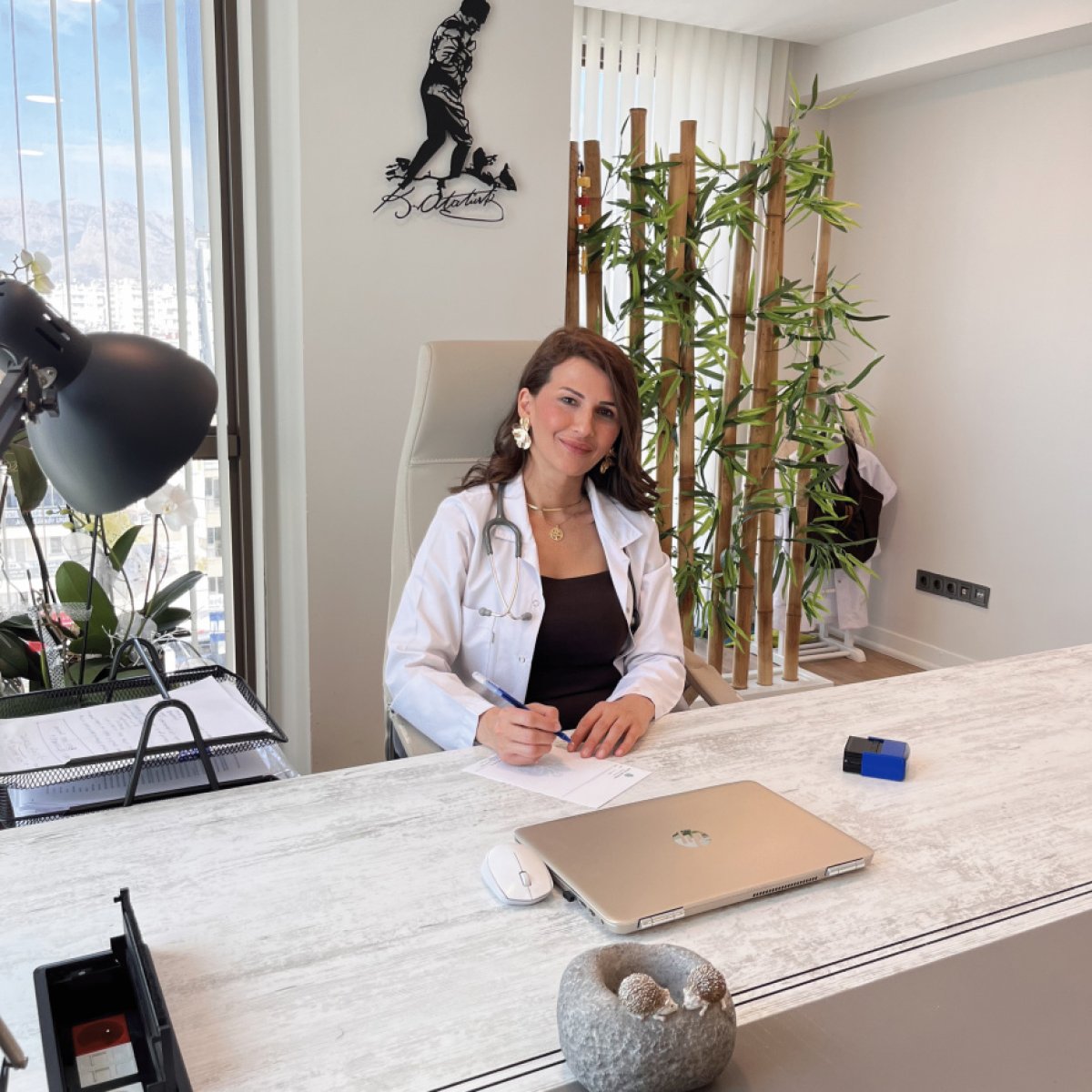
Uzm. Dr. Suna Sarıkaya
Neurofeedback Overview in Turkey
- Bookimed deposit: $200 or €200.
- Clinic deposit: Pay a set percentage in advance.
Our Doctors
View all Doctors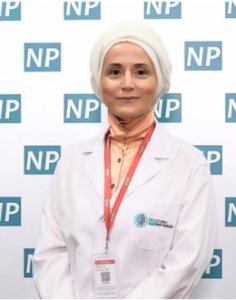
Burcu Polat
With over 25 years of clinical and academic experience, the doctor is a highly accomplished specialist in Orthopedics and Traumatology. Clinical expertise encompasses hand surgery, foot and ankle surgery, arthroplasty, orthopedic oncology, and trauma surgery. The doctor has held significant positions at various training and research hospitals, including serving as a founding specialist at the Hand Surgery Clinic of Baltalimanı Bone Diseases Training and Research Hospital.
The doctor has pursued international professional development, including an observership at Mount Sinai Hospital in Chicago. After being appointed Associate Professor in 2018, the doctor attained the rank of Professor in 2024 and currently practices as a specialist in Orthopedics and Traumatology.
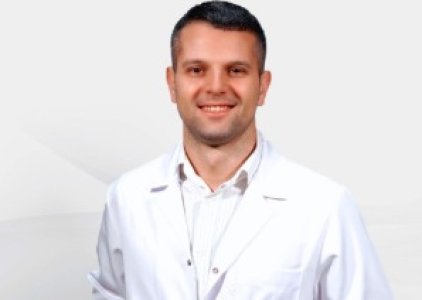
Ulvi Samadzade
Dr. Samadzade specializes in neurofeedback and other neurology treatments, currently practicing at Medicalpoint International Hospital.
- Board-certified neurologist with advanced training at Dokuz Eylul University Hospital
- Experienced in treating a wide range of neurological disorders, including epilepsy and Parkinson’s
- Member of esteemed professional societies like the European Academy of Neurology
- Uses innovative treatment methods such as Botulinum Toxin Injections and IVIG Therapy
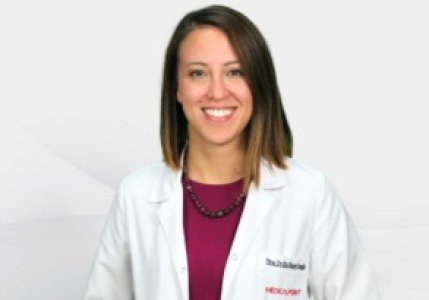
Ela Simay Zengin
Dr. Ela Simay Zengin specializes in neurofeedback and advanced neurological treatments at Medicalpoint International Hospital.
- Trained at Dokuz Eylul University and Acibadem University
- Member of the American Academy of Neurology and European Academy of Neurology
- Expert in treating epilepsy, migraines, and Parkinson's disease
- Uses advanced techniques like botulinum toxin application and migraine vaccines
Nihat Mustafayev
Reviews about Bookimed: Discover Patients' Insights
All reviews




Share this content
Video Stories from Bookimed Patients
 Anna Leonova

FAQ about Neurofeedback in Turkey
Is neurofeedback safe and does it have side effects?
Neurofeedback is a safe, non-invasive, and drug-free brain training method that monitors brainwaves without sending electrical currents into the body. While most patients experience no adverse reactions, some may feel temporary mental fatigue, mild headaches, or slight lightheadedness that typically resolves within 48 hours.
- Safety profile: Non-invasive monitoring carries an extremely low risk of serious injury or complications.
- Common effects: Patients often report feeling pleasantly tired or experiencing temporary brain fog post-session.
- Emotional shifts: Initial sessions may cause temporary irritability or anxiety as the brain adapts.
- Professional oversight: Working with JCI-accredited clinics ensures protocols meet rigorous international safety standards.
Bookimed Expert Insight: Data from top Turkish neurological centers, such as Memorial Şişli Hospital, reveals that safety is linked to comprehensive diagnostics. High-tier clinics perform a qEEG brain map before the first session to tailor protocols. This data-driven approach significantly reduces the risk of over-stimulation compared to clinics offering one-size-fits-all programs.
Patient Consensus: Many patients describe the post-treatment feeling as a mental workout that causes temporary fatigue. They recommend starting with a trial session to monitor how your sleep and mood respond before committing to a full package.
What conditions is neurofeedback used for?
Neurofeedback trains the brain to self-regulate electrical activity, treating ADHD, anxiety, depression, and sleep disorders. This non-invasive therapy also manages epilepsy, autism spectrum disorder, and traumatic brain injury. Using real-time monitoring, patients learn to modulate brainwaves for improved cognitive function and emotional stability.
- ADHD treatment: Improves focus and reduces hyperactivity through Level 1 evidence-based brainwave training.
- Anxiety relief: Helps reduce panic attacks and stress by stabilizing overactive high-frequency brainwaves.
- Neurological recovery: Supports stroke and concussion healing by utilizing neuroplasticity to restore connections.
- Sleep optimization: Addresses insomnia by training the brain to enter restful, low-frequency states.
Bookimed Expert Insight: While many general clinics offer neurofeedback, institutions like Moodist Psychiatry and Neurology Hospital specialize specifically in brain disorders for both adults and children. For complex cases like treatment-resistant depression or PTSD, choosing a dedicated neurology center ensures access to specialized protocols like the FDA-cleared Prism modality.
Patient Consensus: Those seeking help for ADHD or anxiety emphasize that progress builds slowly, typically requiring 20 to 40 sessions. Parents of children with autism specifically highlight improved eye contact and social communication as the most significant practical benefits.
How many neurofeedback sessions are typically required for lasting results?
Most patients require 20 to 40 neurofeedback sessions for lasting neurological changes. While early improvements in sleep or focus appear within 10 visits, completing the full course ensures neuroplasticity solidifies these patterns. Treatment typically involves 2 to 3 weekly sessions over 3 to 6 months.
- Initial phase: Sessions 1–10 yield temporary shifts in anxiety or sleep quality.
- Momentum phase: Sessions 10–20 establish more consistent behavioral and cognitive improvements.
- Solidification phase: Sessions 20–40 rewire the brain baseline for sustainable, long-term results.
- Complex conditions: Issues like PTSD or autism may require 40 to 60+ sessions.
Bookimed Expert Insight: Turkish clinics like Moodist Psychiatry and Neurology Hospital often provide 45-60 minute sessions. This is longer than the standard 30-minute sessions found in many Western countries. Because of this extended duration, some patients may achieve durable results in just 20-25 sessions. Always request a pre-treatment qEEG to accurately predict your specific timeline.
Patient Consensus: Expect to budget for 25-40 sessions initially to avoid stopping before results stick. Many find weekly symptom tracking essential to decide if they need extra sessions beyond 20.
Which are the top clinics for neurofeedback in Turkey?
The top clinics for neurofeedback in Turkey include JCI-accredited facilities like Memorial Şişli Hospital and NPISTANBUL Brain Hospital, which specialize in neuropsychiatry. These centers offer personalized brain mapping and computer-based protocols for ADHD, anxiety, and cognitive enhancement in Istanbul, Ankara, and Izmir.
- Memorial Şişli Hospital: Turkey first JCI-accredited facility providing personalized protocols for cognitive and developmental disorders.
- NPISTANBUL Brain Hospital: World first accredited brain hospital featuring forty specialized laboratories for neuromodulation.
- Moodist Psychiatry Hospital: Specialized center in Istanbul focusing on bipolar disorder and mental health therapy.
- Medicalpoint International Hospital: Leading Izmir facility where specialists manage epilepsy and migraines using neurofeedback.
Bookimed Expert Insight: While many general hospitals offer neurofeedback, specialized psychiatric centers like Moodist or NPISTANBUL provide higher technical density. These facilities integrate neurofeedback with Quantitative Electroencephalogram (qEEG) mapping and Transcranial Magnetic Stimulation (TMS). This multi-modal approach often yields better results for complex neurological conditions than standalone sessions at general clinics.
Patient Consensus: Patients often report significant improvements in ADHD and anxiety symptoms after 20 to 30 sessions. Many advise verifying therapist credentials and opting for in-person sessions over remote programs to ensure consistent technical quality.