Get Oncology Costs in United Arab Emirates


Medically reviewed by
Yesim Yildirim
What's the cost for Oncology procedures in United Arab Emirates?
Oncology treatment in the United Arab Emirates typically costs from $16,900 to $47,300. Final expenses depend on the cancer type, the specific drugs used in chemotherapy or targeted therapy, and the duration of the hospital stay. Patients often find savings of 20-40% compared to treatment costs in the United States.
Typical Oncology Costs in United Arab Emirates
- CT (computer tomography): $730 – $1,000
- Genetic screening: $4,100 – $4,200
- Hysterectomy (uterus removal): Price on request
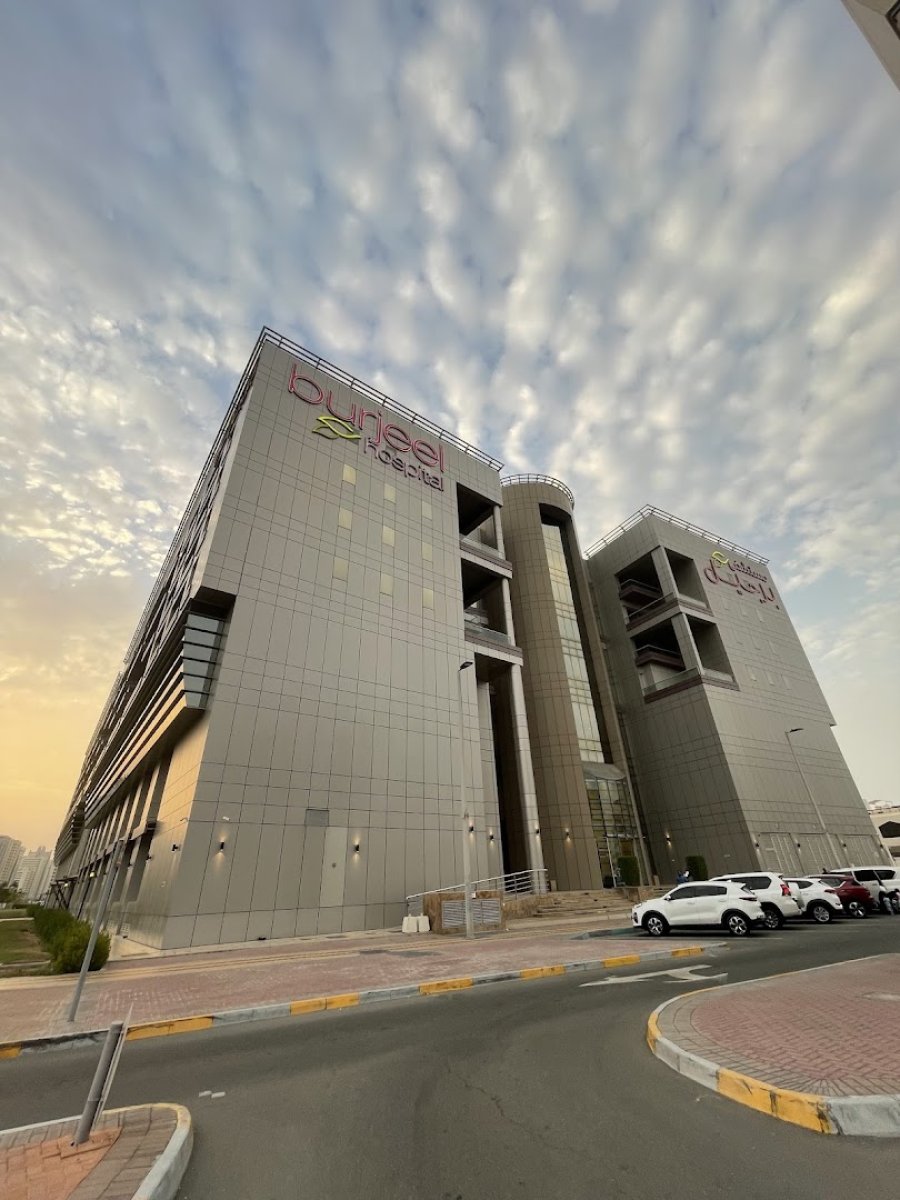
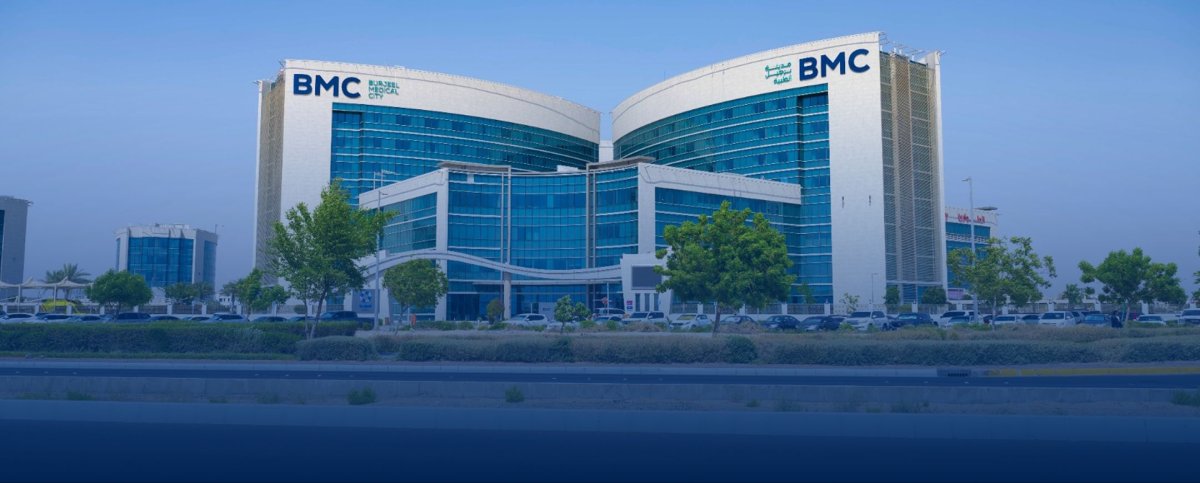
Most specialized cancer centers are located in Dubai and Abu Dhabi, where facilities like Burjeel Medical City provide comprehensive care. While prices are generally consistent across the Emirates, consulting with an oncologist can help clarify the exact costs for your specific diagnosis and treatment plan.
| United Arab Emirates | Turkey | Austria | |
|---|---|---|---|
| Thyroid resection | ≈ $7,500 | from $2,500 | ≈ $7,500 |
| Stomach cancer surgery | ≈ $22,000 | from $8,500 | ≈ $24,000 |
| Removal of spinal cord tumor | ≈ $24,000 | from $7,000 | ≈ $24,000 |
| Removal of liver cancer | ≈ $18,000 | from $12,000 | ≈ $18,000 |
| Removal of colon cancer | ≈ $17,000 | from $7,500 | ≈ $17,500 |
All Oncology conditions
Your Benefits and Guarantees with Bookimed
Transparent Prices & Flexible Installments
No hidden fees – just official clinic prices. Pay at the clinic for Oncology treatment upon arrival and use a flexible installment plan if needed.
Verified Clinics & Doctors Only
Bookimed is committed to your safety. We only work with medical institutions that maintain high international standards in Oncology treatment and have the necessary licenses to serve international patients worldwide.
Free 24/7 Assistance
Bookimed offers free expert assistance. A personal medical coordinator supports you before, during, and after your treatment, solving any issues. You're never alone on your Oncology treatment journey.

Your personal Bookimed medical coordinator
- Supports you at every stage
- Helps choose the right clinic and doctor
- Ensures quick and convenient access to information
Best Oncology Clinics in United Arab Emirates: 4 Verified Options and Prices






Aster Hospitals, DUBAI

Top Oncology centers in United Arab Emirates
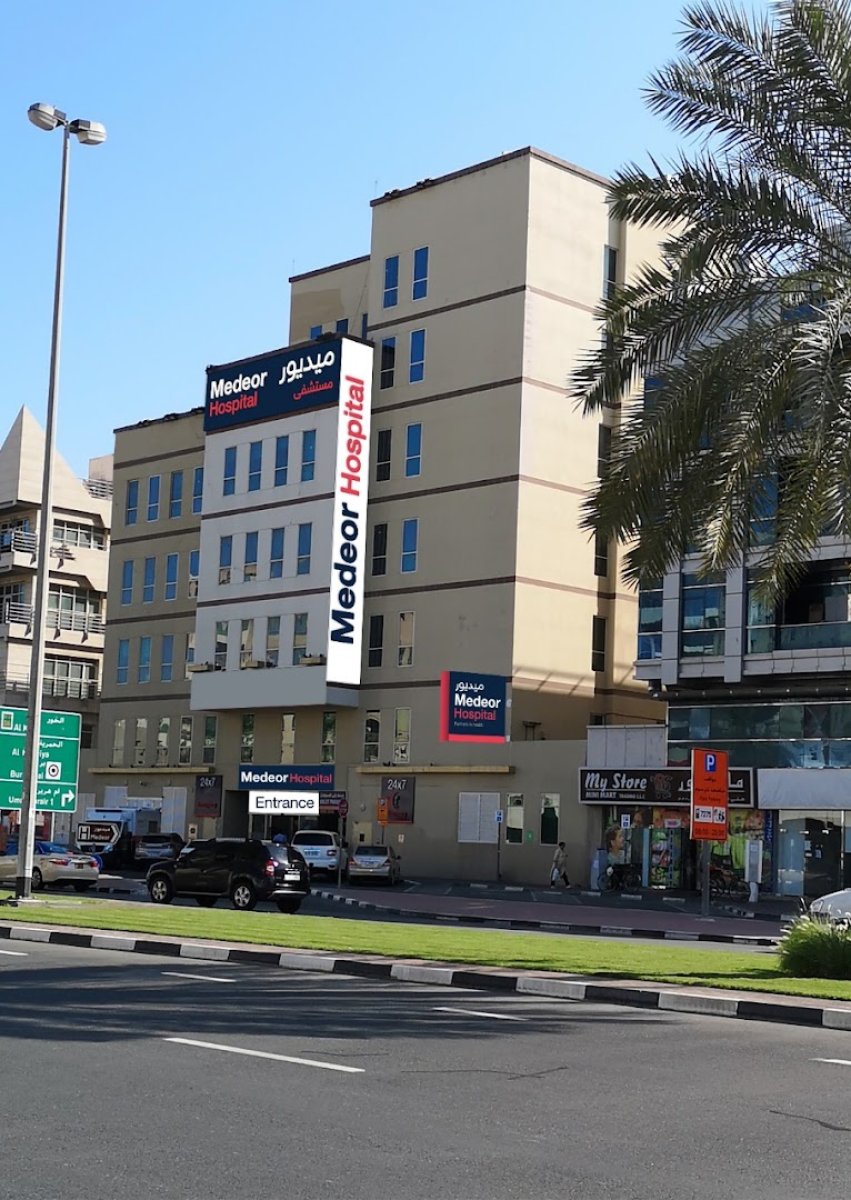
- Medeor Hospital, United Arab Emirates
- Burjeel Hospital Abu Dhabi, United Arab Emirates
- Aster Hospitals, DUBAI, United Arab Emirates
- Burjeel Medical City (BMC), United Arab Emirates
Video Stories from Bookimed Patients
Related Articles
View more
Affordable HIPEC: Advanced Cancer Treatment for Less
Written by Kateryna Zamkovska

Cancer Treatment Abroad: Best Countries, Costs and Top Centers
Written by Mariia Mytrofankina

HIFU Treatment Price: Cost by Country, Clinics and Packages
Written by Kateryna Zamkovska

CAR T-Cell Therapy Cost Effectiveness
Written by Anna Leonova

Immunotherapy for Cancer Cost: Global Comparison 2026
Written by Kateryna Zamkovska
Share this content
 Anna Leonova

FAQ about Oncology in United Arab Emirates
Are oncology centers in the UAE safe for international patients?
United Arab Emirates oncology centers follow strict safety protocols including Joint Commission International (JCI) standards and real-time health authority reviews. International patients undergo pre-arrival health screenings to prevent cross-border infections. Treatment occurs in specialized environments like negative-pressure rooms or HEPA-filtered lounges for intensive immunotherapy.
- Sterility standards: Facilities use negative-pressure rooms for chemotherapy and immunotherapy to minimize exposure.
- Clinical monitoring: UAE health authorities perform real-time case reviews for all foreign patient treatments.
- Infection control: Comprehensive pre-arrival screenings and vaccination proofs are mandatory to enter clinical areas.
- Pharmacovigilance: Adverse drug reactions are reported to the World Health Organization (WHO) within 24 hours.
Bookimed Expert Insight: Aster Hospitals, DUBAI manages over 20,000,000 patients annually across a network of 26 hospitals. This massive volume ensures their 2,200+ doctors are experts in high-throughput safety logistics. Clinics with such high patient numbers often have the most efficient protocols for same-day diagnostic results.
Patient Consensus: Patients note that hospitals are exceptionally clean with new equipment. However, they emphasize arriving with every document ready, as incomplete paperwork can delay entry even with confirmed appointments.
How long should I plan for cancer treatment in the UAE?
Medical tourists should plan for 4 to 6 weeks for a typical oncology treatment cycle in the United Arab Emirates. This timeframe covers initial diagnostics, treatment sessions, and recovery monitoring. Specialized procedures like bone marrow transplantation require longer stays. Efficient hospital protocols often allow shorter visits for follow-up cycles.
- Diagnostic phase: Allow 7 to 14 days for PET-CT scans, biopsies, and treatment plan creation.
- Treatment duration: Chemotherapy or immunotherapy cycles typically last 1 to 2 weeks per session.
- Recovery buffer: Factor in 10 to 14 days post-treatment for bloodwork and managing potential side effects.
- Specialized care: High-intensity treatments like bone marrow transplantation require stays of 4 to 8 weeks.
Bookimed Expert Insight: Data from major networks like Aster Hospitals, DUBAI, which treats 20,000,000 patients annually, shows that integrated pharmacy and diagnostic services significantly speed up the cycle. Patients can often complete a full consultation and treatment plan for $190 to $330 within just 48 hours. This efficiency reduces the pre-treatment waiting period by nearly 30% compared to smaller facilities.
Patient Consensus: Patients note it is vital to book flexible housing near the clinic. Unexpected delays from recovery fatigue or bloodwork results can extend a 3-week stay into 5 weeks quite easily.
What does post-discharge support look like for oncology patients in the UAE?
Post-discharge support in the United Arab Emirates includes comprehensive summaries and scheduled oncology follow-ups within 1–2 weeks. Patients receive direct access to oncology nurses and coordinators for managing side effects. Leading networks like Aster Hospitals, DUBAI provide seamless journeys across 26 facilities and 55 departments.
- Care coordination: Patients typically receive a direct number for their oncology care coordinator.
- Clinical follow-up: Follow-up appointments are usually confirmed before discharge for the following 14 days.
- Nursing access: Specialized oncology nurses provide remote support for medication and symptom management.
- Provider network: Medical groups like Aster Hospitals employ 2,200+ doctors across diverse specialties.
Bookimed Expert Insight: Data from major networks like Aster Hospitals shows that high-volume providers with 2,000+ doctors integrate diagnostics directly into their post-care plans. This scale often means faster access to specialists for urgent side-effect consultations. Choosing a multidisciplinary hospital with 50+ departments ensures your post-discharge questions go to the right specialist immediately.
Patient Consensus: Patients note that having a direct contact for chemo side effects at home is vital. They suggest requesting a written care plan with specific emergency numbers before leaving the clinic.
Are there age or stage restrictions for cancer treatment in the UAE?
UAE oncology programmes generally have no strict age or stage restrictions for international patients. Eligibility for private treatment primarily depends on medical fitness and financial coverage. Specialized centers like Aster Hospitals, DUBAI provide advanced diagnostics including PET/CT and whole-body MRI to determine treatment suitability for all stages.
- Residency status: Public funding prioritize UAE nationals and residents with a valid Emirates ID.
- Treatment range: Facilities offer complex care including bone marrow transplantation and immunotherapy with Keytruda.
- Clinical fitness: Doctors assess comorbidities rather than age to approve intensive surgery or chemotherapy.
- Stage flexibility: Programs accept patients from early-stage cases to stage 4 for palliative care.
Bookimed Expert Insight: Data from the Aster DM Healthcare network shows that high patient volumes—reaching 20,000,000 annually—drive faster diagnostic turnarounds. While public programs have residency requirements, private facilities in Dubai often approve international cases within 48 hours. This benefit is especially critical for stage 3 or 4 patients who cannot wait for domestic enrollment cycles.
Patient Consensus: Patients note that having a residency visa significantly simplifies the approval process for long-term radiation. Some mention that while the clinics are very professional, the environment can feel formal and business-like during the initial consultation.
Where are the leading oncology centers in the UAE located and how should patients choose one?
Leading oncology centers in the United Arab Emirates are primarily concentrated in Dubai and Abu Dhabi. Patients choose facilities based on insurance compatibility, doctor reputations, and access to advanced therapies. Major hubs like Aster Hospitals, DUBAI provide comprehensive cancer care including immunotherapy, radiotherapy, and surgical oncology.
- Location hubs: Most advanced private oncology facilities operate within Dubai and Abu Dhabi medical zones.
- Selection criteria: Patients prioritize private clinics for faster access and better amenities over public options.
- Specialized treatments: Centers offer advanced options like CyberKnife, immunotherapy, and bone marrow transplantation.
- Expertise levels: Leading specialists like Dr. Siva Prakash Rathnaswamy offer over 10 years of experience.
Bookimed Expert Insight: Data shows that hospital network size directly impacts patient convenience in the UAE. Large groups like Aster DM Healthcare manage 26 hospitals and 55 departments. This scale allows for smoother transitions between diagnostic labs and surgical units. Patients at these high-volume centers benefit from integrated care pathways that smaller clinics cannot replicate.
Patient Consensus: Patients note that verifying insurance coverage is the most critical step before booking. They often prefer private hospitals to avoid the long wait times found in the government system.