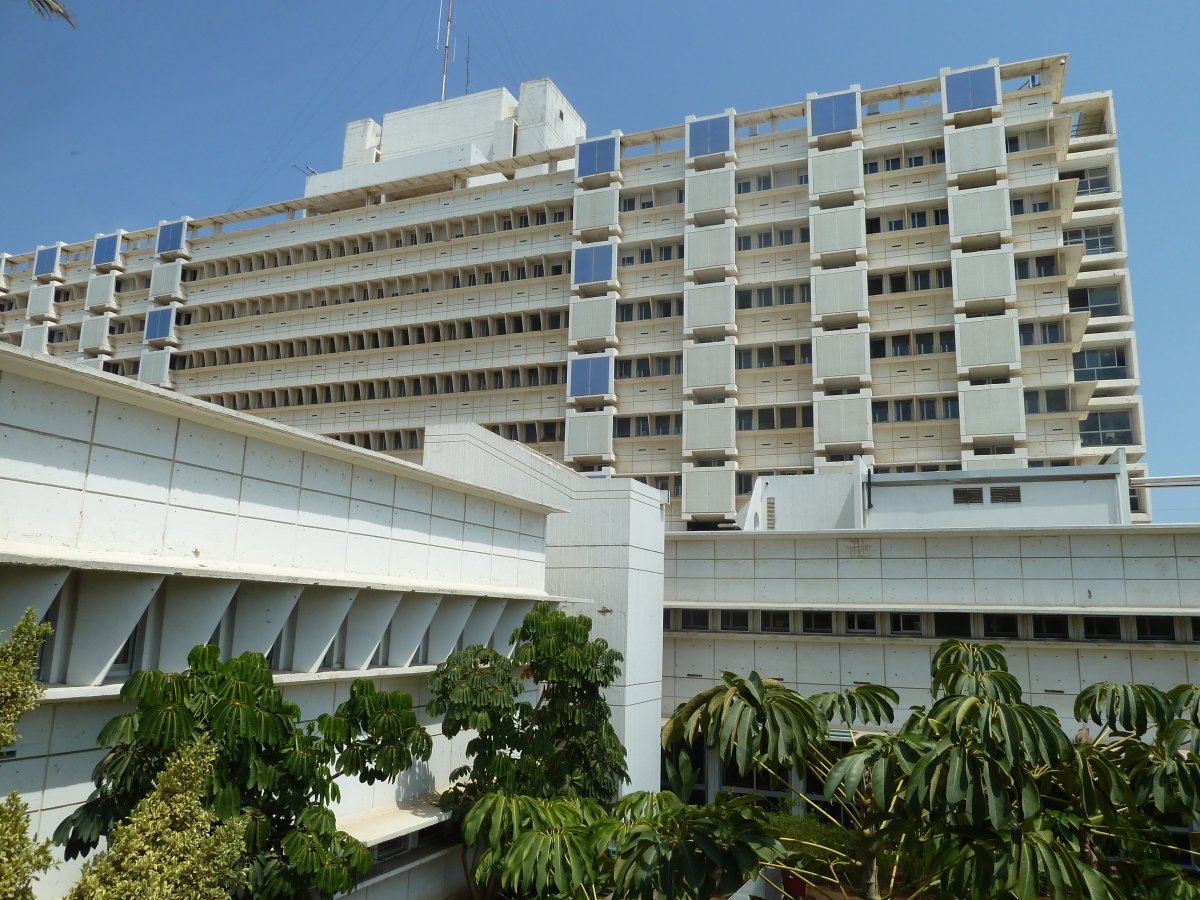
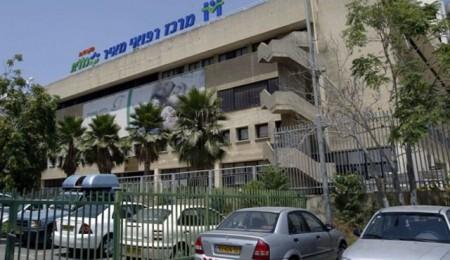
Sourasky Medical Center (Ichilov)
Israel, Tel Aviv
Ari Raphael
29 years of experience

accreditations : 
Clinic is certified : 




Medically reviewed by
Fahad Mawlood
Breast cancer treatment cost in Israel typically involves initial diagnostics such as a PET/CT scan which runs $1,500 to $1,800, followed by surgical options like a mastectomy ranging from $7,700 to $17,500 or breast cancer surgery costing $11,300 to $24,000. Total expenses depend on the cancer stage and the specific therapy protocol required. Patients often see 30–80% savings compared to the US. Top cities for this treatment include Tel Aviv, Jerusalem, and Haifa.
Typical Breast Cancer Treatment Costs in Israel
Bookimed Expert Insight: For patients requiring complex systemic therapy, Sourasky Medical Center offers high-value oncology packages starting around $4,880. These bundles typically include chemotherapy and radiotherapy under the supervision of experts like Dr. Ari Raphael. Advanced cases benefit from the multidisciplinary approach at JCI-accredited centers like Hadassah, which maintains a 90% oncology success rate. Private options like Assuta are best for patients seeking a choice of specific surgeons.
| Israel | Turkey | Austria | |
|---|---|---|---|
| Tomotherapy | ≈ $16,000 | from $6,700 | ≈ $9,500 |
| Resveratrol IV Therapy | ≈ $250 | ≈ $120 | ≈ $250 |
| Radiotherapy for breast cancer | ≈ $14,000 | from $5,300 | from $6,700 |
| Radiation therapy for colorectal cancer | ≈ $14,000 | from $5,000 | from $6,700 |
| Proton therapy for breast cancer | ≈ $38,000 | ≈ $28,000 | ≈ $24,000 |
Dr. Ari Raphael leads Israel's national genomic medicine initiative for breast cancer at Sourasky Medical Center.

Over 41 years at Sourasky Medical Center specializing in breast cancer – Dr. Merimsky is an Associate Professor and former Chairman of Oncology.
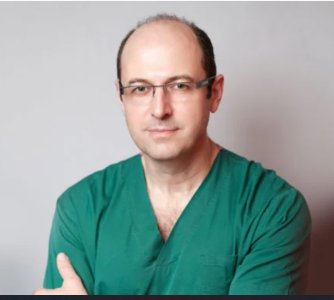
Dr. Yuri Goldes is the Deputy Director of General Surgery at Sheba Medical Center. He pioneered some of Israel’s first robotic resections for stomach and pancreatic cancers. Forbes Israel named him among the nation’s best gastrointestinal surgeons. In 2019, he received the Best Doctor of the Year award from the Israeli Ministry of Health.
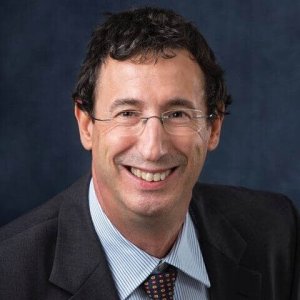
Dr. Dov Zippel is a surgical oncologist and head of the Meirav Breast Center. Forbes Israel named him to its Best Doctors list in 2025. He treats benign and malignant breast tumors and melanoma at Sheba Medical Center. Dr. Zippel completed a surgical oncology fellowship at the University of Calgary in Canada.

Written by Veronika Kazina

Written by Veronika Kazina

Written by Veronika Kazina

Written by Veronika Kazina

Written by Veronika Kazina
 Anna Leonova

The best breast cancer treatment centers in Israel are listed below. The success rate of breast cancer cure here is 90%. Israeli hospitals is a top choice among international patients due to the following reasons:
Submit a request to book the most adequate breast cancer hospital in Israel for you. Bookimed medical coordinator will contact you to clarify all information about a particular medical center. Bookimed has already helped about 265,000 patients. Our services do not affect the breast cancer treatment cost, you pay right in the hospital.
Israel leads in breast cancer care due to integrated multidisciplinary tumor boards and advanced diagnostics. Facilities like Sourasky Medical Center report a 90% oncology success rate. Patients access genomic profiling, liquid biopsies, and innovative immunotherapies. Leading surgeons utilize TrueBeam STx and Da Vinci systems for precision.
Bookimed Expert Insight: Israeli oncology centers like Sourasky and Sheba operate on a massive scale, handling over 40,000 cancer cases annually. This volume allows clinics to offer niche treatments like Actinium-225 and Natural Killer Cell Therapy that smaller centers cannot sustain. While chemotherapy packages start around $4,900, the true value lies in the JCI-accredited safety standards and high success rates.
Patient Consensus: Patients value the speed of testing and the sincere, supportive attitude of the medical staff. Many recommend arranging a medical liaison to help manage schedules and overcome potential language barriers during treatment.
Israeli medical centers prioritize organ-preserving techniques like oncoplastic lumpectomy and nipple-sparing mastectomy. These procedures combine tumor removal with immediate plastic reconstruction. Advanced options include robotic-assisted surgery and intraoperative radiation to reduce treatment time. Multi-disciplinary teams ensure oncological safety while maintaining natural breast symmetry.
Bookimed Expert Insight: Israeli oncology centers like Sourasky Medical Center report a 90% success rate. A key differentiator in Israel is the integration of genetic screening, such as Foundation One CDx. Surgeons use these results to tailor surgery, often opting for bilateral procedures if high-risk markers are present. This proactive approach helps prevent future recurrences rather than just treating the current tumor.
Patient Consensus: Patients note that while treatment costs are higher than in Europe, the speed of diagnostics and access to new equipment justify the expense. Many emphasize that coordinate care between surgeons and oncologists helps manage the emotional reality of recovery and reconstruction steps.
Israel utilizes innovative therapies including INTRABEAM intraoperative radiation, liquid-nitrogen cryoablation, and specialized immunotherapy like Keytruda. Leading centers apply molecular profiling and advanced linear accelerators like Novalis TrueBeam STx. These technologies target tumor genetics while preserving healthy tissue and shortening traditional recovery timelines.
Bookimed Expert Insight: Israeli oncology centers like Sourasky manage massive patient volumes, treating 40,000 cancer cases annually. This scale allows them to maintain a 90% success rate in oncology. Patients often choose Israel for genomic medicine because the doctors, such as Dr. Ari Raphael, actively moderate molecular tumor boards to refine drug selection.
Patient Consensus: Patients note that while treatment costs are higher than in Europe, the access to new equipment and fast diagnostics like PET-CT justifies the expense. Many emphasize that heart-sparing techniques and breath-hold protocols provide significant peace of mind during radiation.
Initial diagnosis for breast cancer in Israel takes 3 to 4 days via private medical channels. The public health route typically requires 1 to 3 weeks. Comprehensive evaluations include digital mammography and 3D tomosynthesis. Biopsy pathology results usually arrive within 3 to 14 days.
Bookimed Expert Insight: Israeli oncology centers like Sourasky Medical Center manage high patient volumes. They treat over 40,000 cancer patients annually. This high frequency allows for rapid diagnostic protocols not found elsewhere. Patients benefit from combined expertise and advanced technologies like Novalis TrueBeam STx. Integrated systems ensure diagnostics and treatment planning happen within days, not weeks.
Patient Consensus: Patients note that diagnostic steps like blood tests happen very fast. They emphasize having a dedicated coordinator helps navigate scheduling hurdles and language barriers effectively.
Visa requirements for breast cancer treatment in Israel depend on your citizenship. Visitors from the US, UK, and EU need an Electronic Travel Authorization (ETA-IL). Citizens from non-exempt countries must obtain a B/2 medical visa. Hospitals like Sourasky Medical Center provide documentation for border control.
Bookimed Expert Insight: Israeli oncology centers like Sourasky Medical Center (Ichilov) serve 40,000 cancer patients annually. Our data shows that coordination is vital because chemotherapy or radiotherapy often exceeds the 90-day tourist window. Choosing clinics that provide free airport transfers and dedicated interpreters helps navigate these long-term administrative needs smoothly.
Patient Consensus: Patients emphasize coordinating hospital access before travel rather than relying on standard tourist entry. They note that having a local coordinator helps manage logistics and helps reduce costs where possible.
Israel is a premier neurosurgery hub due to its fusion of high-density medical innovation and elite surgical expertise. Top facilities like Sheba Medical Center integrate AI-guided navigation and real-time intraoperative MRI. Specialized centers report 98% success rates for complex procedures including awake craniotomy and movement disorder treatments.
Bookimed Expert Insight: Data shows a clear divide between public and private options in Israel. Private centers like Assuta Medical Center perform over 92,000 operations annually and allow patients to select their specific lead surgeon. This is a vital advantage for complex cases where a specific expert like Dr. Eli Ashkenazi is preferred for his 1,000+ spine surgery record.
Patient Consensus: Patients emphasize bringing original imaging on a USB for local review to streamline the surgical plan. They also note that private packages often include hotel coordination and airport transfers, making the logistics much smoother.
Israeli neurosurgeons treat a full spectrum of conditions ranging from brain and spinal tumors to complex functional disorders. Specialized centers utilize advanced technologies like Gamma Knife, deep brain stimulation, and intraoperative MRI to manage epilepsy, Parkinson disease, and cerebrovascular pathologies with high precision.
Bookimed Expert Insight: Israeli hospitals often combine specialties to handle complex cases. At Sourasky Medical Center, neurosurgeons like Dr. Zvi Lidar bridge neurosurgery and orthopedics for spinal care. This multidisciplinary approach allows clinics to perform 34,000+ operations annually. Choosing a facility with this crossover expertise often leads to more comprehensive treatment plans for degenerative diseases.
Patient Consensus: Patients value the ability to access specialized treatments like fluorescence-guided surgery for tumors which are often unavailable elsewhere. Many note that the staff is fluent in English and provides clear communication through teleconsultations before traveling.
Israel is home to world-renowned neurosurgery centers like Sourasky Medical Center, Sheba Medical Center, and Hadassah Medical Center. These facilities are globally ranked for treating complex brain tumors, spinal disorders, and movement diseases. They utilize advanced technologies like Gamma Knife, robotic systems, and intra-operative MRI.
Bookimed Expert Insight: Our data shows that while most patients focus on Tel Aviv, Rambam Medical Center in Haifa offers unique expertise in neuro-trauma. It operates a specialized neuro-ICU and serves nearly 1 million patients annually. This makes it an essential choice for complex post-trauma brain surgeries that requires intensive recovery support.
Patient Consensus: Patients note it is important to start consultations early. They often highlight that the precision and follow-up care for complex brain tumors exceeded their expectations. One patient emphasized how quickly they could connect with top professors for second opinions during critical neurosurgical cases.
Israel's leading neurosurgeons include Prof. Zvi Ram, Prof. Shlomi Constantini, and Prof. Itzhak Fried at Sourasky Medical Center. These specialists hold leadership roles in the European Association of Neurosurgical Societies (EANS) and the World Society for Stereotactic and Functional Neurosurgery (WSSFN). They utilize advanced intraoperative mapping and robotic systems.
Bookimed Expert Insight: Data from Sourasky and Sheba indicates a strong correlation between high surgical volumes and patient safety. For example, Sourasky performs 34,000+ operations annually with a 90% oncology success rate. Patients seeking complex tumor removals should prioritize centers like these where surgeons perform hundreds of specific cases each year.
Patient Consensus: Patients emphasize the importance of finding a surgeon who specializes specifically in your condition rather than a generalist. Many note that high-volume centers provide better access to English-speaking staff and coordinated care for international visitors.
International neurosurgery patients in Israel must provide comprehensive medical records including recent MRI or CT scans translated into English. Admission requires a clinical review by specialists to confirm treatment feasibility. Hospitals often mandate full advance payment or a significant deposit before confirming surgery dates or issuing visa support letters.
Bookimed Expert Insight: Data shows that top Israeli facilities like Sheba Medical Center and Hadassah Medical Center handle massive patient volumes, exceeding 1,000,000 people annually. This high demand means clinics prioritize complex or rare cases over routine procedures. Patients with unique or high-risk conditions often receive faster admission approval than those seeking standard treatments available elsewhere.
Patient Consensus: Patients note that having all imaging results ready in English is essential for quick scheduling. Many emphasize that while the medical care is excellent, coordinating around Shabbat closures is necessary to avoid unexpected diagnostic delays.
A standard stay for neurosurgery in Israel ranges from 10 to 14 days for uncomplicated cases. Patients undergoing complex procedures like brain tumor removal or deep brain stimulation often require 4 to 6 weeks. This timeline covers pre-operative diagnostics, the surgical procedure, and essential post-operative monitoring.
Bookimed Expert Insight: Data from Sourasky Medical Center shows they treat over 400,000 patients annually with high success rates. Clinics with such high volumes, like Hadassah or Assuta, often have streamlined discharge protocols. This helps international patients transition to hotel-based recovery faster while maintaining access to top specialists.
Patient Consensus: Patients note it is vital not to rush home too early. Some travelers extended their stay to 3 weeks due to swelling or to ensure they received final surgeon clearance before flying.
Israeli neurosurgery uses robotic guidance, real-time 3D imaging, and incisionless technologies to minimize physical trauma. Systems like Mazor Robotics provide sub-millimeter precision for spine implants. MRI-guided focused ultrasound (MRgFUS) treats tremors without incisions. These advanced tools ensure high accuracy and reduce recovery times.
Bookimed Expert Insight: Israeli clinics like Sourasky or Hadassah integrate proprietary Israeli-born technologies like Surgical Theater before they hit global markets. Our data shows these centers often use VR flight-through models for pre-surgical planning. This allows surgeons to rehearse complex cases, which is a key factor in their 90% success rates.
Patient Consensus: Patients note that technologies like the Gamma Knife allowed them to return home in days rather than weeks. Many move from traditional 10cm incisions to cuts under 2cm when using robotic-assisted systems.
Israel is a global leader in neurosurgery due to its integration of proprietary medical innovations and internationally trained specialists. High-capacity centers like Sourasky Medical Center (Ichilov) perform over 34,000 annual surgeries. Patients access advanced techniques like awake craniotomy and MR-guided focused ultrasound.
Bookimed Expert Insight: Israeli neurosurgery stands out because of the high concentration of dually certified experts. Many top surgeons, such as Dr. Zvi Lidar, are certified to practice in both Israel and the USA. This ensures that patients receive American-standard surgical care while staying in Tel Aviv or Jerusalem. Our data shows that private centers like Assuta offer significantly faster access to these specific specialists compared to the public system.
Patient Consensus: Patients note it is important to confirm a surgeon's specific volume of cases for your exact condition. They also value the ability to get expert second opinions quickly through online consultations with world-renowned professors.
Sheba Medical Center and Sourasky Medical Center (Ichilov) are among the best neurosurgery hospitals in Israel. These JCI-accredited facilities perform thousands of operations annually. They utilize advanced technologies like CyberKnife and intraoperative MRI to treat complex brain tumors and cerebrovascular lesions.
Bookimed Expert Insight: Our data shows that top Israeli centers like Sourasky and Hadassah perform over 40,000 total operations yearly. This high volume allows surgeons to maintain a 90% success rate even in complex oncology cases. Patients seeking robotic spine surgery or deep brain stimulation should focus on these high-capacity municipal centers for the most experienced teams.
Patient Consensus: Patients appreciate that some hospitals quickly coordinate consultations even during regional strikes. Families of pediatric patients especially value surgeons trained at prestigious international institutions.
Israel's leading neurosurgeons include Professor Zvi Ram, Professor Shlomi Constantini, and Professor Itzhak Fried at Sourasky Medical Center. These experts specialize in awake craniotomy, pediatric brain tumors, and functional mapping. Most hold JCI accreditation and international fellowships from institutions like Johns Hopkins and Yale.
Bookimed Expert Insight: Data shows that top-tier Israeli neurosurgeons, such as those at Sourasky Medical Center, often hold dual board certifications in Israel and the US. This unique crossover ensures patients receive American-standard protocols. These specialists typically manage over 34,000 annual operations, providing high-volume clinical experience that smaller private clinics cannot match.
Patient Consensus: Patients note that highly qualified doctors like Professor Shlomo Constantini provide satisfactory answers quickly. People emphasize that outcomes often depend on the hospital’s integrated resources rather than just a doctor's prestige.
Israel is a global leader in neurosurgery, treating complex brain and spinal conditions using robotic-assisted and minimally invasive techniques. Highly specialized units at JCI-accredited centers like Sourasky Medical Center (Ichilov) and Hadassah Medical Center focus on neuro-oncology, pediatric neurosurgery, and functional procedures.
Bookimed Expert Insight: Israeli neurosurgical departments often function as rapid-response hubs for international patients. Data shows that large centers like Sourasky, which serves 1,800,000 patients annually, can organize expert video consultations in a very short time. This speed is critical for neuro-oncology cases where starting treatment a few days earlier significantly impacts outcomes.
Patient Consensus: Patients note that Israeli teams often accept high-risk cases that other hospitals decline. They emphasize the importance of using local coordinators to manage travel logistics or potential local disruptions during their two-week stay.
International patients traveling to Israel for neurosurgery require a valid passport, an entry permit or medical visa, and a formal hospital invitation. You must provide recent MRI or CT scans in DICOM format and detailed medical summaries. Proof of private health insurance and financial stability are also mandatory for border entry.
Bookimed Expert Insight: Our data shows that top neurosurgeons at Hadassah Medical Center and Sourasky often request records 4–6 weeks before arrival. Submitting these early prevents appointment shifts. High-volume centers with over 30,000 annual operations have dedicated portals for secure DICOM file uploads. Using these ensures your surgeon reviews high-quality images before you land in Tel Aviv.
Patient Consensus: Patients emphasize bringing physical copies and digital backups of all scans on a USB drive. They also note that private insurance needs pre-authorization specifically for neurosurgery to avoid payment delays at the clinic.
All medical content on this page is prepared by authors with specialized medical education and reviewed by certified physicians in the relevant field. Medical review by Fahad Mawlood, Medical Editor & Data Scientist.
Last updated: 11/11/2026.
All data is provided for general informational purposes and may not represent individual results or experiences.