To homepage
Advertiser disclosure

Best Countries & Costs for Stem Cell Therapy in the World

The best countries for Stem Cell Therapy in the world are Turkey, Mexico, Thailand, Ukraine, and Republic of Korea. All five combine accredited hospitals, experienced surgeons, and procedure costs up to 91% lower than in the US. Bookimed's ranking is based on 13,696 patient requests and 226 verified clinics across 32+ countries.

Save up to

91%

vs. average UK or US prices

Data from 226 verified clinics across 30 countries
Meet the experts behind this page
Authored by Anna Leonova
Head of Content Marketing Team

How it works

We've transformed the clinic search process, making it simple, fast, and personal.
Answer a few questionsTake a short quiz to share your Stem Cell Therapy goals.
Get personalized offers3 clinics, handpicked based on your answers, provide tailored treatment plans and quotes.
Choose the best optionCompare offers and choose the clinic that suits you best.
You can also browse all 226 clinics below.

Top 4 Countries for Affordable Stem Cell Therapy: Cost & Quality Compared

RankedCountryPrice Avg.Saving vs USBest ForWhy It’s Ranked
#1TurkeyFrom $7,200Up to11%Regenerative treatments for neurological and orthopedic conditionsTurkish hospitals use GMP-standard laboratories and JCI-accredited facilities. Specialized professors perform 2,000+ annual consultations, providing access to protocols for autism, Parkinson's, and joint repair.
#2MexicoFrom $1,601Up to80%Higher cell doses and expanded mesenchymal therapyMexican clinics offer expanded stem cell cultures often reaching 300 million cells. COFEPRIS-approved facilities use Wharton’s Jelly mesenchymal cells to treat complex neurological and orthopedic conditions.
#3ThailandFrom $1,800Up to78%Regenerative programs for chronic conditions and anti-agingThe country offers diverse methods like mesenchymal and umbilical cord therapies. Clinics hold JCI and ISO certifications, and specialists have performed over 20,000 procedures, ensuring high safety and expertise.
#4South KoreaFrom $754Up to91%Regenerative medicine with patented fat-derived growth factor cultivationHospitals hold patents for cultivating growth factors from adipose-derived stem cells. Specialized centers use automated closed-circuit systems to prevent contamination, maintaining cell viability for ortho-repair and anti-aging.

Medical Disclaimer: Data verified by Bookimed as of July 2026, based on patient requests and official quotes from 226 clinics worldwide. Median costs are based on real invoices (2024–2026) and updated monthly. Actual prices may vary.

Turkey: Best Country for Stem Cell Therapy in the World – from $2,575

Turkey lead in regenerative medicine by combining international GMP safety standards with large-scale clinical experience. The country supports cellular therapies for conditions like Parkinson's and autism that face more restrictions elsewhere. Specialist centers in Istanbul and Bursa utilize high-purity stem cell protocols for orthopedic and neurological recovery.

  • Safety standards. Laboratories operate under GMP rules. This ensures cells are processed in sterile, high-quality environments.
  • Accreditation volume. Memorial Şişli was the world's 21st hospital to earn JCI accreditation for safety.
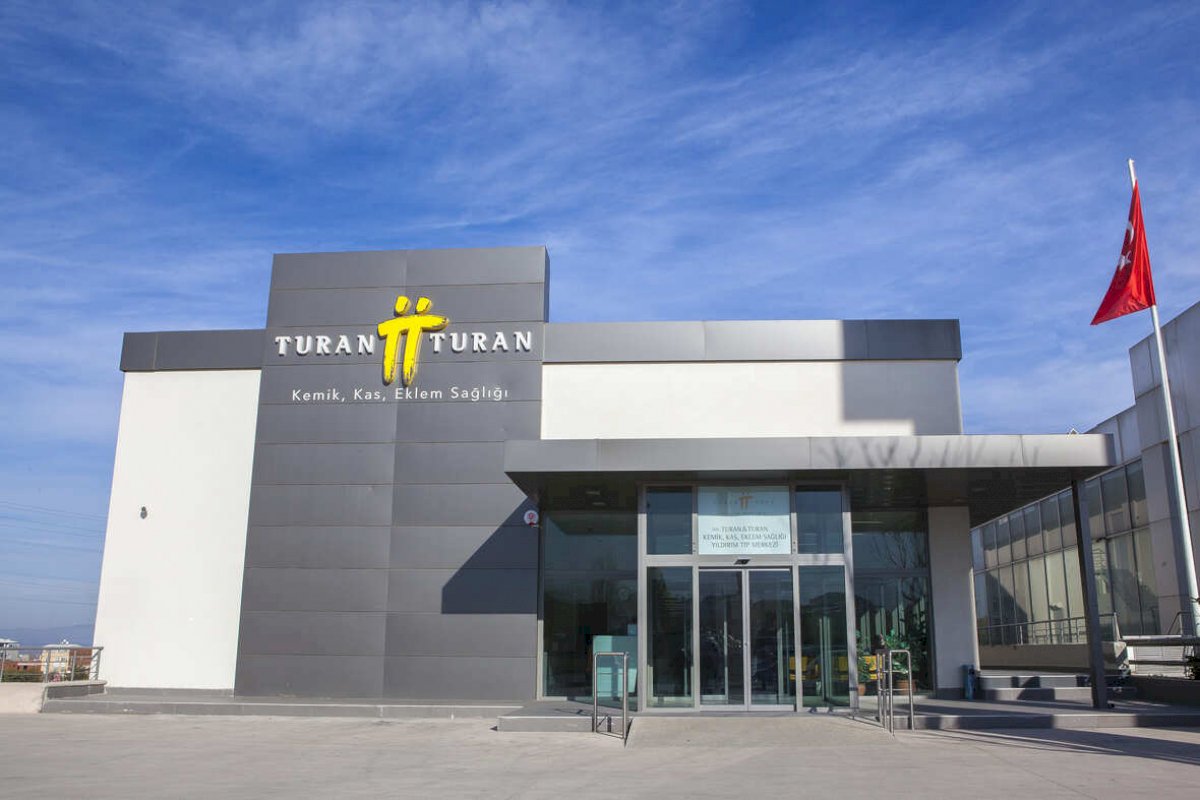
  • Surgical scale. Orthopedic centers like Turan Turan Health Group treat 18,000+ patients annually using robotic systems.
  • Expert credentials. Dr. Erdal Karaöz founded Turkey's first stem cell R&D center and has 25+ years experience.

Bookimed Expert Insight: Turkey's infrastructure is unique because major hospitals like Liv Hospital Ulus integrate private GMP-certified labs directly on-site. This prevents cell degradation during transport. It also allows for highly personalized dosing schedules. Patients should look for centers where the lab and clinic operate under the same roof.

What patients say: Patients note the clinics provide immense support with translators and VIP transfers that ease the travel. They value the direct access to experienced professors who explain the biological process clearly. Many describe the facilities as modern and professional, rivaling top-tier centers in Panama or the USA.

Valued Med Hub Hospitals
4.9
(56 reviews)
26 years of experience

Standard Stem Cell Therapy Transfer Included

Assoc. Prof. Muhammed Derda has performed 1,100+ stem cell procedures with ' experience in ophthalmology and neurosurgery. Intraocular stem cell injections may cost around $6,000, typically covering the procedure, pre-op tests, and transfers. The clinic offers tailored delivery methods – intraocular, systemic, or spinal – with 10 million cells per session. Valued Med Hub holds Turkish Medical Association accreditation and maintains a 4.7/5 patient rating.

Associate Professor Muhammet Derda Ozer, with 25,000+ performed treatments and an ICO-Staar USA fellowship, leads this retinal-focused therapy. The package, priced at about $8,000, includes a single-eye procedure and ophthalmologist consultation at the Associate Professor M. Derda Ozer DERDA SAGLIK HIZMETLERI. Cells are processed in a GMP-certified facility, adhering to international lab protocols. The JCI and TEMOS-accredited clinic provides a direct consultation for this advanced regenerative treatment for retinal dystrophies and optic nerve health.

Turan Turan Health Group
5.0
(5 reviews)
18 years of experience
Board-certified

Stem Cell Injection under Sedation - VIP Transfers Package

Dr. Murat Kezer has 18 years of experience of orthopedic experience with 900+ procedures performed, specializing in joint reconstruction and arthroplasty. Stem cell therapy may cost around $3,250 – typically covering consultation, blood tests, monitoring, and transfers. He holds advanced training in MAKO robotic systems and leads the clinic's orthopedic team. The facility features NAVIO 7 and Mazor X Stealth robotic platforms.

Mexico: Top Country for Stem Cell Therapy Abroad – from $3,200

Mexico is a leading center for regenerative medicine, offering regulatory flexibility that allows for high-dose cell expansion. Patients receive specialized treatments like intrathecal injections to target neurological issues. Many centers provide umbilical cord stem cells and the latest exosome-based protocols unavailable in other regions.

  • Expanded dose access. COFEPRIS regulations allow clinics to culture 100 to 300 million cells for therapy.
  • Broad therapy range. Doctors treat Parkinson's, MS, and autism using protocols often restricted to clinical trials elsewhere.
  • Specialized administration. Protocols include ultrasound-guided injections and IV drips reaching the spinal fluid directly.
  • Certified cellular products. Centers like Aura Regenerative Center use COFEPRIS-approved products with full certificates of analysis.
  • High surgical volume. Major destinations like Cancun serve over 5,000 international patients for regenerative care annually.

Bookimed Expert Insight: Mexican clinics often bundle 100 to 250 million mesenchymal stem cells with exosome therapy. This combination is a standard differentiator for clinics in Monterrey or Cancun. Packages typically include 4-star hotels and VIP airport transfers within the total treatment cost.

What patients say: Patients in Mexico often describe feeling like family due to the compassionate medical staff. They describe the experience as professional and respectful, noting quick relief from long-term chronic pain. Many highlight the ease of traveling to border cities for these accessible treatments.

Autism treatment at Stem Solutions clinic – pediatric patient receiving therapy session result
4.9
(11 reviews)
10 years of experience

50M MSCs & Exosomes for Autism by Specialist with 1,100+ Cases — Hyatt Place & Transfer Included

This package features ultrasound-guided delivery for precise stem cell implantation. Dr. Anna Lara, a regenerative medicine specialist with 900+ completed autism treatments, creates individually reviewed programs at Stem Solutions. The therapy includes 50 million umbilical cord mesenchymal stem cells and 5 billion exosomes to cross the blood-brain barrier. It costs around $3,200, covering airport transfers, hotel assistance, and the full treatment. Patients rate the clinic 4.8 out of 5 stars.

Aura Regenerative Center
10 years of experience

Dezawa MUSE Cell Therapy Premium Program
  • Fernando Antonio Hernández Martínez oversees advanced cellular therapies using mesenchymal stem cells and exosome-based protocols.
  • Aura Regenerative Center uses certified cellular products with COFEPRIS approval and Certificates of Analysis for stem cell therapy.
  • Included Services: Consultation with a physician, follow-up examination, transfer airport-hotel-clinic-airport, parking, 4-star hotel, breakfast only.
  • Stay Info: 3 days in a 4-star hotel included in the price; no hospital stay required.
  • Technique: Mesenchymal stem cells derived from Wharton’s jelly and exosome-based protocols.
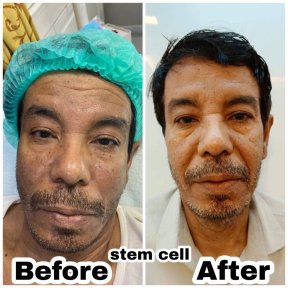
Before and after results of facial rejuvenation with own stem cells at Immunotherapy Regenerative Medicine
5.0
(4 reviews)
14 years of experience

Hair Loss Treatment with Stem Cell Therapy — Rejuvenation and Follicular Regeneration

The package uses a patient's own mesenchymal stem cells for targeted follicular regeneration, a technique informed by Dr. Luis Padilla's da Vinci robotic surgery expertise. This 20-year regenerative medicine center, Immunotherapy Regenerative Medicine, employs a multidisciplinary team. The treatment costs approximately $3,788 and covers the stem cell procedure, doctor consultations, and follow-up visits.

Thailand: Top Country for Stem Cell Therapy Abroad – from $1,800

Thailand is a global leader in regenerative medicine. Major centers perform 20,000+ stem cell procedures. Thailand offers access to mesenchymal and embryonic therapies. Most medical centers hold JCI and ISO certifications. Specialists often train in the US and Europe. Patients receive treatment without long wait times.

  • Success rates. Clinics like ID Clinic report a 96% success rate for specific stem cell applications.
  • Specialist expertise. Dr. Phatcharasak Kraisornphongsakul has performed 20,000+ procedures, providing extensive clinical experience.
  • Accreditation standards. Centers like Asia Cosmetic Hospital maintain JCI accreditation, ensuring high patient safety protocols.
  • Treatment range. Procedures include osteoarthritis treatment from Price on request to Parkinson's therapy from Price on request .

Bookimed Expert Insight: Thai clinics offer high-density protocols, providing up to 80 million mesenchymal stem cells. This high concentration is a key differentiator for treating complex joint or autoimmune conditions. Many packages in Bangkok naturally include hotel stays and airport transfers for a smoother recovery.

What patients say: Patients in Thailand describe the process as smooth and appreciate the professional medical staff. They value the private environment and noted the convenience of getting multiple tests done quickly. Some mention the importance of tracking individual results after high-dosage treatments.

Before and after stem cell rejuvenation therapy results at ID Clinic Bangkok for anti-aging
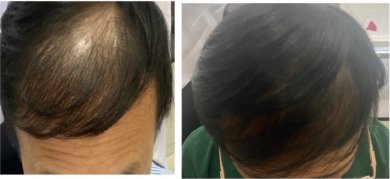
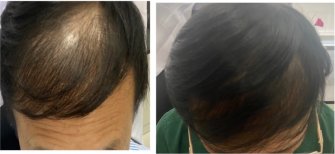
Before and after stem cell therapy for hair loss at ID Clinic Bangkok, visible hair regrowth result
Before and after stem cell rejuvenation therapy result at ID Clinic Bangkok for anti-aging
Before and after stem cell rejuvenation therapy results at ID Clinic Bangkok for anti-aging
Before and after stem cell therapy for hair loss at ID Clinic Bangkok, visible hair regrowth result
Before and after stem cell rejuvenation therapy result at ID Clinic Bangkok for anti-aging
4.4
(116 reviews)
34 years of experience
20000 treatments

Stem Cell Rejuvenation Therapy by Doctor with 20,000+ Procedures — Hotel & Transfer

This comprehensive package uses 5 million ethically sourced umbilical cord MSCs to stimulate collagen production for rejuvenation. Dr Phatcharasak Kraisornphongsakul Md, a dual board-certified surgeon with 1,100+ stem cell treatments and practice at top Bangkok hospitals, performs the single-day therapy. It is priced at about $1,800 and covers a full pre-op check, CBC, chest X-ray, and post-treatment care. The procedure uses intradermal and microneedling delivery at the Royal College of Surgeons Thailand-recognized ID Clinic Bangkok.

EDNA Wellness
12 years of experience

Stem Cell for Knee Joint Maintenance (one side)

This treatment combines 10 million MSCs with a PRP session using the Ycellbio system, which concentrates platelets 7–9 times above baseline. Doctor Pongwat Polpong, with training from Siriraj Hospital and Germany's International Neuroscience Institute, leads the therapy at EDNA Wellness. The clinic enjoys a 98% recommendation rate from patients. The all-inclusive package, priced at about $3,080, covers the physician consultation and the PRP session.

Vega Clinic
4.1
(2 reviews)
7 years of experience

Stem cell treatment for Erectile Dysfunction 20 million MSCs (IV)
  • Chollawat Thongthaisin is American board certified in regenerative medicine, specializing in stem cell therapies for ED.
  • Vega Clinic is a leading provider of advanced regenerative medicine, attracting 200 international patients annually.
  • Included Services: Consultation with a doctor, airport-hotel-clinic-airport transfer.
  • Stay Info: 4 days hospital room stay, 7 days hotel stay; accommodation is not included in the price.
  • Treatment method: Intravenous stem cell therapy using 20 million mesenchymal stem cells (MSCs).

Ukraine: Top Country for Stem Cell Therapy Abroad – from $2,228

Republic of Korea: Top Country for Stem Cell Therapy Abroad – from $7,000

South Korea is a leader in regenerative medicine due to its strict legal framework for cell processing. Clinics often use automated closed-circuit systems to prevent contamination. Patients access specialized therapies for complex conditions. Procedures range from anti-aging to support for Parkinson's disease using autologous cells.

  • Patented technology. Centers like HERSHE Plastic Surgery hold patents for cultivating growth factors from adipose-derived stem cells.
  • High surgical volume. Major facilities like Leadheal Hospital treat 44,000+ patients annually across specialized departments.
  • Global clinical recognition. Severance Hospital ranks among the world's best hospitals and serves 1.6 million outpatients annually.
  • Broad accessibility. Laws allow stem cell applications for chronic conditions and aesthetic rejuvenation in specialized centers.

Bookimed Expert Insight: Top Seoul clinics specialize in adipose-derived stem cells, often achieving over 90% success in rejuvenation. Dr. Jung Young Choon at HERSHE Plastic Surgery even holds patents for specific cultivation methods. This ensures higher cell viability compared to standard extraction techniques used in many other regions.

What patients say: Patients describe Seoul clinics as modern and efficient with smooth, fast processes for international visitors. Many note feeling like VIPs while seeing functional improvements and increased energy within weeks. They also appreciate the logistics, including clean facilities and luxury recovery options near the clinics.

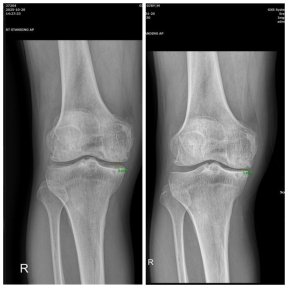
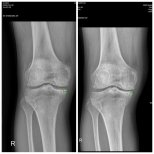
Before and after stem cell therapy for knee osteoarthritis at samsungbalance clinic, visible results
21 years of experience

One Knee Stem Cell Treatment without Arthroscopy: Dual Injection Therapy + Knee Radiofrequency Treatment
  • Dr. Nageonyoub provides advanced dual injection stem cell therapy combined with knee radiofrequency treatment.
  • samsungbalance clinic specializes in non-surgical knee therapies, offering innovative dual injection and radiofrequency techniques.
  • Included Services: Consultation with a doctor, coffee zone.
  • Stay Info: Accommodation is not included; no hotel stay required.
  • Technique: Dual injection stem cell therapy and knee radiofrequency treatment.

How Bookimed Ranks the Best Affordable Countries for Stem Cell Therapy Abroad

Transparent methodology - so you can trust our recommendations.

Whether you're looking for the cheapest place to get stem cell therapy or the highest-rated specialists abroad, Bookimed's ranking accounts for everything that matters. It uses a smart algorithm that continuously analyzes real-world data from verified verified clinics worldwide, including:

  • 13,696 patient requests

    We analyze thousands of real cases to identify destinations with the highest patient demand and best outcomes for stem cell therapy.

  • 52 verified patient reviews

    Real feedback on hospital facilities, staff communication, recovery experience, and long-term results.

  • Accreditation standards

    International accreditations such as JCI and ISO 9001, or equivalent national certifications, verified annually.

  • Board-certified specialists

    Evaluated by credentials, volume of successful cases for stem cell therapy, and specialized training.

  • Transparent price data

    Aggregated directly from clinics and cross-checked against other ranking criteria - so the cheapest countries for stem cell therapy on our list are also among the safest.

  • Medical excellence & innovation

    We prioritize countries using the latest techniques and equipment for stem cell therapy, with proven track records in international patient care.

Choosing a country for Stem Cell Therapy abroad shouldn't come down to guesswork. Having helped over 900,000 patients, we know which destinations combine the best specialists, safest hospitals, and affordable prices. We're here to help you find the right one.

Why we?

Your personal Bookimed medical coordinator

  • Supports you at every stage
  • Helps choose the right clinic and doctor
  • Ensures quick and convenient access to information
Authored by
Anna Leonova
Anna Leonova
Head of Content Marketing Team
A certified medical writer with 10+ years of experience, developed Bookimed’s trusted content, backed by a Master’s in Philology and medical expert interviews worldwide.
Fahad Mawlood
Medical Editor & Data Scientist
General practitioner. Winner of 4 scientific awards. Served in Western Asia. Former Team Leader of a medical team supporting Arabic-speaking patients. Now responsible for data processing and medical content accuracy.
Fahad Mawlood Linkedin

All You Need to Know about Stem Cell Therapy

What are stem cells?

Stem cells are unique cells that can develop into many different cell types in the human body. They serve as the body's internal repair system that divides and replenishes other cells as needed. Unlike other cells with specific functions, stem cells can transform into specialized cells like muscle, nerve, or blood cells.

This flexibility makes them vital in regenerative medicine, where they are used to repair or replace damaged tissues and organs.

What is regenerative medicine?

Regenerative medicine focuses on repairing, replacing, or regenerating damaged tissues and organs to restore normal function. Unlike traditional treatments that often focus on managing symptoms, regenerative medicine aims to heal the underlying cause of the problem.

Regenerative medicine centers use advanced techniques like stem cell therapy, tissue engineering, and gene therapy to encourage the body to heal itself. For example, stem cells can regenerate damaged heart tissue or repair spinal cord injuries.

📺 Learn how stem cells are changing the future of healthcare by watching our exclusive interview with Dr. Isabella Bernaschina.

What types of stem cells are used in regenerative medicine?

Stem cells come from three primary sources: embryos, adult tissues, reprogrammed adult somatic cells, and umbilical tissues.

1. Embryonic stem cells. These cells come from early-stage embryos and can develop into almost any type of cell in the body. Their versatility makes them valuable for a wide range of treatments and research.

2. Adult stem cells. Found in tissues like bone marrow and fat, these cells are more specialized and can only become certain types of cells. 

3. Induced pluripotent stem cells (iPSCs). These are adult cells reprogrammed to behave like embryonic stem cells, so they can develop into many different cell types. iPSCs are useful for personalized treatments since scientists can create them from a patient’s own cells.

4. Perinatal stem cells. These cells stem from the tissues of the umbilical cord, placenta, and amniotic fluid. They share some properties with both embryonic and adult stem cells, offering a unique potential for regenerative treatments.

faq image

Stem cells can also be categorized according to the person they come from:

  • Autologous stem cells. These stem cells are collected from the patient (often from bone marrow or fat tissue), processed, and then reintroduced into the same patient. Since the cells are the patient’s own, the risk of rejection or complications is minimal. 
  • Allogeneic stem cells. Stem cell banks collect and store stem cells from various donors. They can come from umbilical cord blood collected at birth, placental tissue, or adult donors. The cells are thoroughly screened and tested for compatibility and disease to ensure they are safe and effective for use in therapies.

What can stem cells treat?

faq image

Due to stem cells' unique abilities, they span the full spectrum of potential applications. Scientists are still exploring promising treatments.

Simple injections for orthopedic conditions tend to be more affordable, while complex treatments for advanced diseases such as multiple sclerosis and cerebral palsy are more costly.

Below are some of the most popular uses of stem cells in treatments and their approximate costs.

Condition

How stem cells can help

Average cost

Arthritis

Reduce inflammation and promote cartilage repair.

$3,000

Knee pain

Help regenerate damaged tissues and reduce pain.

$3,000

Back pain

Repair damaged discs and alleviate pain.

$2,000

Autism

Repair brain function and reduce inflammation.

$12,000

Eye disease

Can potentially regenerate damaged retinal cells.

$5,000

Neuropathy

Help repair damaged nerves.

$20,000

Parkinson's disease

Replace damaged neurons and restore brain function.

$16,000

Diabetes

Regenerate insulin-producing cells in the pancreas.

$11,000

Multiple sclerosis (MS)

Repair damaged nerve cells.

$20,000

Lung diseases, COPD

Repair lung tissue and improve lung function.

$15,000

Cerebral palsy

Regenerate brain cells and improve motor function.

$20,000

Erectile dysfunction

Improve blood flow and repair damaged tissues.

$4,000

Male infertility

Regenerate sperm cells and improve fertility.

$4,000

Rejuvenation (Anti-aging)

Rejuvenate skin and tissues, promoting a youthful appearance.

$3,000

👀 Watch a professional motocross racer share his experience with stem cell treatment for sports injuries and arthritis:

What are the advantages of stem cell therapy?

✅ Natural healing. Stem cell therapy provides new hope for patients when conventional treatments have proven ineffective. It harnesses the body’s ability to repair and regenerate damaged tissues and promotes recovery at the cellular level.

✅ Versatility. Stem cells can treat a wide range of conditions, from orthopedic injuries to chronic conditions, neurological disorders, and autoimmune diseases. The type and number of stem cells can be tailored to every patient, ensuring targeted treatment.

✅ Minimally invasive. Stem cell therapies are usually delivered through simple injections or infusions, reducing the need for major surgery and allowing for quicker recovery.

How do doctors perform stem cell therapy?

faq image

Doctors perform stem cell therapies using several different administration methods, depending on the patient’s condition. Here are the most common types of administration:

1. Injection

One of the most common methods. Doctors inject stem cells directly into the affected area, such as a joint, muscle, or tendon. This method is minimally invasive and usually performed under local anesthesia.

🩹 Common uses: Joint pain, tendon injuries, arthritis, and soft tissue injuries.

2. Intravenous (IV) Infusion:

Doctors administer stem cells directly into the bloodstream via an IV. This allows the cells to circulate throughout the body and reach multiple sites that may need repair or regeneration.

🩹 Common uses: Autoimmune diseases, neurological disorders, and systemic conditions like multiple sclerosis or diabetes.

3. Surgical implantation

For more complex or severe conditions, stem cells may need to be implanted directly into the affected tissue during surgery. Surgeons perform the procedure in an operating room under general anesthesia. 

🩹Common uses: Spinal cord injuries, severe heart disease, and advanced neurological conditions.

How much does stem cell therapy cost worldwide?

faq image

Stem cell therapy costs vary widely depending on the country and the specific treatment involved. 

🗽 In the United States, the cost of stem cell injections can range between $20,000 to $50,000. However, other regions around the world offer more affordable options with high-quality care. 

🏰 In Europe, countries like Germany and the Netherlands offer high-quality regenerative medicine, but prices can be similar to those in the United States (from $7,500 to $50,000). Ukraine provides more affordable options between $4,000 and $15,000.

⛩️ In Asia, costs can range from $3,000 to $42,000, with South Korea being more expensive, while Thailand and Malaysia provide lower-cost alternatives.

🕌 In the Middle East, stem cell treatments cost anywhere from $2,000 to $35,000. Israel offers advanced regenerative therapies, while Turkey has more accessible prices.

Below is a table summarizing the cost of stem cell therapy in various countries:

Country

Price Range

Mexico

$3,500 - $15,000

Colombia

$5,500 - $14,000

Germany

$7,500 - $30,000

Netherlands

$20,000 - $50,000

Ukraine

$4,000 - $15,000

Turkey

$2,000 - $15,000

Israel

$6,500 - $35,000

South Korea

$10,500 - $42,000

Thailand

$3,000 - $13,000

Malaysia

$5,000 - $27,000

🌍 Find out more about the countries with the best stem cell therapy clinics.

Does insurance cover stem cell therapy?

Stem cell therapy is rarely covered by insurance because it is still considered experimental. Most insurance companies prefer to cover conventional treatments instead.

In the U.S., insurance typically only covers FDA-approved stem cell treatments. Currently, the FDA has approved the use of bone marrow stem cells for treating blood cancers and immune disorders. However, as more evidence emerges from clinical trials and regulations evolve, insurance coverage for regenerative medicine might soon expand.

What are the best stem cell therapy clinics in the world?

Bookimed’s analysis of over 100 best stem cell clinics in the world has shown that Mexico, Turkey, and Thailand offer a perfect blend of affordable costs and high-quality care. In our rankings, we considered factors such as positive patient reviews, the number of patients treated, the speed of response, and the qualifications and accreditations of the stem cell clinics.

The table below highlights the top 7 stem cell treatment centers:

Center for Regenerative Medicine

Location

Description

Approximate Costs

Best For

Cellular Hope Institute

Cancun, Mexico

A center for regenerative medicine with 12 years of experience in immunology, rheumatology, sexology, aesthetic medicine, and cosmetology. Offers include 4-star hotel accommodation and VIP transfers.

$7,000 - $15,000

Autoimmune diseases, orthopedic conditions, neurodegenerative disorders

ID Clinic Bangkok

Bangkok, Thailand

Private medical center specializing in aesthetic medicine and cosmetology using stem cells.

$1,000 - $1,500

Rejuvenating and anti-aging stem cell therapies

Medipol Mega University Hospital

Istanbul, Turkey

Leading Turkish medical institution offering stem cell treatments for joint diseases like arthrosis. The hospital also excels in organ transplantation, bone marrow transplants, and IVF. Accredited by JCI, it treats 1,000,000 patients per year.

$4,000

Joint diseases, bone marrow transplants

Liv Hospital Ulus

Istanbul, Turkey

Specializes in orthopedic conditions and skin treatments using patients' own cells. Holds a certificate from the Turkish Ministry of Health for stem cell treatment. Offers stem cell-based facial and body fillers, as well as post-cancer breast reconstruction using stem cells.

$8,000 - $15,500

Orthopedic conditions, skin treatments, breast reconstruction

Medical Center Juventa

Mexico

A leader in Mexico's regenerative medicine, with its own stem cell bank and lab. Offers personalized home-based care for stem cell therapy, with an 80% success rate. Led by Dr. Isabella Bernaschina, a certified regenerative medicine specialist.

$7,000 - $10,000

Arthritis, HIV treatment, alopecia, Parkinson’s disease, diabetes, rejuvenation, joint regeneration

Reju Medical Clinic

Medellín, Colombia

Specializes in treating arthritis, chronic pain, diabetes, autism, and autoimmune diseases. Also offers aesthetic medicine and cosmetology services. Employs medical professionals with at least 15 years of experience.

Varies by treatment

Arthritis, chronic diseases, diabetes, autism, autoimmune diseases

Giostar

Cancun, Mexico

A global leader in stem cell research and therapy, headquartered in San Diego, California. Specializes in anti-aging treatments, muscular injuries, and degenerative diseases. Led by Dr. Daniel Garza, an expert in diabetology.

$8,000 - $9,000

Anti-aging, muscular injuries, degenerative diseases

How to choose the best stem cell clinic?

faq image

Choosing the center for regenerative medicine involves careful consideration of several key factors. Here’s what to look for:

1. Accreditations and certifications. The stem cell treatment center should be accredited by recognized medical bodies like the Joint Commission International (JCI) or local health authorities.

2. Experience and expertise. Look for clinics with a proven track record in regenerative therapies. Check the qualifications and experience of the medical team, particularly in treating your condition.

3. Patient reviews. Read reviews from past patients to gauge the clinic’s reputation. Positive feedback on treatments, patient care, and overall experience is a good indicator of a clinic’s quality.

4. Safety and ethical standards. Verify that the center for regenerative medicine follows strict safety protocols and ethical standards, particularly in how they source and use stem cells. Avoid clinics that make unproven claims or lack transparency in their treatment procedures.

5. Cost and value. Compare costs between stem cell clinics and consider the value you are getting, including the quality of care, follow-up services, and additional support (e.g., accommodation, transfers).

6. Consultation and personalized care. A good center for regenerative medicine should offer a thorough consultation before any treatment. The availability of tailored treatment plans is a sign of a high-quality clinic.

7. Location and accessibility. Consider the clinic’s location if you need to travel. Ensure that the clinic is easily accessible and offers support for international patients, such as language assistance or travel arrangements.

What is the current status of stem cell research?

faq image

Regenerative medicine is still a relatively young field, and ongoing research is exploring its effectiveness for various diseases. The body of literature is already impressive. Here are only some of the latest breakthroughs from different clinical trials:

👉 Orthopedic conditions

  • Stem cell therapy can reduce chronic pain and improve motor function, with 70% of spinal injury patients experiencing significant improvements. 
  • Sustained improvements in knee pain and function have been observed at the 24-month mark post-treatment.
  • Improved joint function and reduced inflammation 1 to 3 years after treatment for rheumatoid arthritis (RA).

👀 Watch a patient review on the orthopedic treatment with stem cells:

👉 Autism

  • 95% of patients improved their scores on the Childhood Autism Rating Scale (CARS). 
  • In a notable case, a non-verbal child with severe autism began speaking and showed a 27% reduction in autism severity post-treatment.

👉 Heart failure

  • A long-term 58% reduced risk of heart attack or stroke among heart failure patients.

👉 Eye diseases

  • A 30-60% improvement in best corrected visual acuity (BCVA) in patients with inherited retinal diseases at 12 months after receiving stem cell treatment.

👉 Neurodegenerative diseases

  • Amyotrophic lateral Sclerosis (ALS). Researchers have found that mesenchymal stem cells (MSCs) can slow down ALS progression.
  • Multiple sclerosis (MS). Stem cell therapy has proven more effective than traditional immunomodulatory drugs. It reduces inflammation and prevents excessive scarring in the nervous system. The treatment suppresses MS activity for 4-5 years in 70-80% of patients.
  • Parkinson’s disease (PD). Induced pluripotent stem cells (iPSCs) improve movement and increase dopaminergic neurons in the brain.
  • Alzheimer’s Disease (AD). Stem cell treatments have shown a potential to improve AD patients' memory and learning abilities.
  • Huntington’s disease (HD). MSCs improve motor function, stimulate neurogenesis, and reduce neuronal loss and abnormal protein levels.

How long does it take to see results?

The time it takes to see results from stem cell therapy varies depending on the patient and their condition.

🦴 For orthopedic issues, stem cells target localized areas of damage, allowing for faster regeneration of tissues like cartilage, which leads to quicker improvements. They may begin within a few weeks, with more noticeable results after 3 to 6 months. 

🧠 In neurological or chronic conditions, the healing process is more complex. Results may appear in several months, and gradual improvements may continue over a year or more. Stem cells need more time to repair nerve or immune system damage, so improvements take longer and progress gradually. 

💆🏻‍♀️ For aesthetic treatments, changes like skin or hair regeneration happen more quickly because the cells focus on surface-level repairs. Visible changes can be noticeable in a few weeks, with optimal results in a few months.

How long do results last?

faq image

Stem cell therapy often leads to lasting improvements, but some patients may need follow-up treatments to maintain or enhance results over time. 

Various clinical studies have shown that improvements can last for extended periods—documented at 3, 6, 12, and 24 months after therapy. Research in conditions like rheumatoid arthritis and multiple sclerosis suggests that stem cell therapy can offer extended periods of symptom relief, with effects lasting 3–5 years.

Are there any possible risks and complications?

Stem cell therapy is safe in most cases, but like any medical procedure, it carries potential risks and complications.

The most commonly reported side effects are:

  • thromboembolism — occurs when a blood clot forms and blocks a blood vessel;
  • fibrosis — the formation of excess scar tissue in an organ or tissue.

Other possible risks and complications include:

  • infection — there’s a small risk of infection at the site of the injection or surgery, especially in more invasive procedures;
  • rejection — in the case of donor stem cells, the body might recognize them as foreign and react;
  • tumor formation — although extremely rare, certain stem cells have a theoretical risk of turning into tumors. Experienced doctors address this risk by carefully selecting and preparing the stem cells and closely monitoring patients. Reputable stem cell clinics use well-researched and tested stem cells, such as mesenchymal stem cells (MSCs), with a low risk of forming tumors.

To avoid complications and risks, stem cell clinics take preventive measures such as carefully screening stem cells, adhering to strict safety protocols, and closely monitoring the patient. 

By choosing a center for regenerative medicine from Bookimed’s trusted partners, you can be confident that you’ll receive specialized care with adherence to the highest safety standards.

How can you get treatment at the best center for regenerative medicine with Bookimed?

faq image

💚 Submit a request. Start by filling out a request on the Bookimed website. Share your medical details and preferences for stem cell therapy, so we can tailor our recommendations to your needs.

💚 Consult with a Bookimed Coordinator. Our manager will reach out to discuss your condition, answer any questions, and offer expert advice on stem cell therapies.

💚 Choose the best stem cell clinic. Based on your preferences, your Bookimed manager will recommend the centers for regenerative medicine. They'll help you compare options and make a well-informed decision.

💚 Receive a quote. Once you've selected a stem cell clinic, Bookimed will provide a customized cost estimate for your therapy.

💚 Schedule your trip. Bookimed will assist you in scheduling the therapy and planning your trip to the chosen regenerative medicine center. We ensure a smooth and hassle-free experience from start to finish.

Resources

  1. Mayo Clinic. (2024). Stem cells: What they are and what they do. https://www.mayoclinic.org/tests-procedures/bone-marrow-transplant/in-depth/stem-cells/art-20048117
  2. WebMD. (2021). What Is Regenerative Medicine? https://www.webmd.com/a-to-z-guides/what-is-regenerative-medicine
  3. Mayo Clinic. (2024). Study finds stem cell therapy is safe and may benefit people with spinal cord injuries. https://www.mayoclinic.org/medical-professionals/neurology-neurosurgery/news/study-finds-stem-cell-therapy-is-safe-and-may-benefit-people-with-spinal-cord-injuries/mac-20567444
  4. Medicine. (2020). Clinical efficacy and safety of stem cell therapy for knee osteoarthritis. https://www.ncbi.nlm.nih.gov/pmc/articles/PMC7220405/
  5. Regenerative Therapy. (2021). A review and update for registered clinical studies of stem cells for non-tumorous and non-hematological diseases. https://www.ncbi.nlm.nih.gov/pmc/articles/PMC8446785/
  6. American Journal of Stem Cells. (2020). Cell transplantation as a novel therapeutic strategy for autism spectrum disorders: a clinical study. https://pubmed.ncbi.nlm.nih.gov/33489466/
  7. European Review for Medical and Pharmacological Sciences. (2020). Autism treatment with stem cells: a case report. https://pubmed.ncbi.nlm.nih.gov/32767334/
  8. Journal of the American College of Cardiology. (2023). Randomized Trial of Targeted Transendocardial Mesenchymal Precursor Cell Therapy in Patients With Heart Failure. https://www.jacc.org/doi/10.1016/j.jacc.2022.11.061
  9. Stem Cell Research & Therapy. (2023). Stem cell therapy for inherited retinal diseases: a systematic review and meta-analysis. https://www.ncbi.nlm.nih.gov/pmc/articles/PMC10557171/
  10. Cellular and Molecular Neurobiology. (2023). The Use of Stem Cells as a Potential Treatment Method for Selected Neurodegenerative Diseases: Review. https://www.ncbi.nlm.nih.gov/pmc/articles/PMC10333383/

All You Need to Know about Stem Cell Therapy

These FAQs come from real patients seeking medical assistance through Bookimed. Answers are given by experienced medical coordinators and trusted clinic representatives.

Is stem cell therapy in Tijuana safe?

Stem cell therapy in Tijuana is safe at facilities accredited by COFEPRIS or international bodies like QUADA. Safety depends on clinic-specific lab standards and cell viability checks. It also requires GMP-grade clean rooms for processing mesenchymal or umbilical cord cells.

  • Regulatory oversight: COFEPRIS monitors Mexican clinics to make sure they meet sanitary standards and legal cell sourcing.
  • Accreditation standards: Top centers hold certifications from QUADA or the Mexican Council of Plastic Surgery.
  • Lab quality: Safety is higher at clinics with ISO-certified laboratories and strict donor screening protocols.
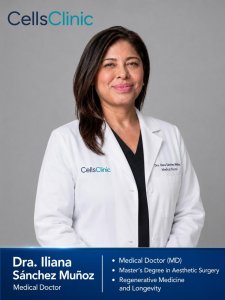
  • Specialized care: Experienced doctors like Dr. Iliana Sánchez Muñoz have overseen protocols for more than 340 patients.

Bookimed Expert Insight: High-end Tijuana clinics often provide more thorough screening than expected. Some facilities refuse to treat patients with high blood pressure or cancer histories for safety. This careful approach is backed by a 95% mobility regain rate for joint therapies. It shows that top clinics focus on clinical outcomes, not high booking volume.

Patient Consensus: Patients typically feel secure in the medical corridor when using door-to-door clinic transport from San Diego. The injections can be painful. Still, survivors' main advice is to check cell viability and lab standards directly with the surgeon.

What conditions can be treated with stem cells in Tijuana?

Stem cell therapy in Tijuana uses mesenchymal stem cells from umbilical cord or adipose tissue. It treats orthopedic conditions, neurological disorders, and autoimmune diseases. Common applications include osteoarthritis, Parkinson’s disease, and multiple sclerosis. Specialized centers also offer advanced protocols for lung recovery and cellular longevity.

  • Orthopedic care: Treating knee osteoarthritis, hip degeneration, labrum tears, and herniated discs.
  • Neurological recovery: Managing symptoms of cerebral palsy, Alzheimer’s, ADHD, and traumatic brain injury.
  • Organ regeneration: Specialized protocols address lung recovery, liver cirrhosis, and chronic obstructive pulmonary disease.
  • Longevity protocols: Using umbilical cord cells for metabolism boosts and cellular rejuvenation.

Bookimed Expert Insight: CellsClinic Regenerative Medicine Center reports a 95% mobility regain rate for patients with joint wear. Even though basic wellness is popular, the most valuable packages target neuroregeneration. These protocols require more specialized lab work than orthopedic ones.

Patient Consensus: Patients frequently report successful treatment for chronic Lyme disease and joint pain. Most note that full recovery usually takes 3 to 6 months. Success often depends on following strict post-treatment rest protocols during the first month.

What are the top clinics in Tijuana?

Tijuana has facilities for stem cell therapy. They include specialized regenerative centers like CellsClinic and multi-specialty hubs like VIDA Medical Center. These clinics provide mesenchymal and umbilical cord therapies. Their facilities are accredited by international bodies such as QUADA and the American Society of Plastic Surgeons.

  • Accredited facilities: Clinics like VIDA Medical Center hold American AAAASF and QUADA certifications.
  • Specialized expertise: CellsClinic has managed personalized regenerative protocols for more than 340 patients.
  • Advanced procedures: Experts offer intrathecal and intra-articular approaches for neuroregeneration and joint recovery.
  • Success rates: Data shows 95% of patients with joint wear regain mobility after therapy.

Bookimed Expert Insight: Tijuana clinics like VIDA Medical Center are the first internationally accredited multispecialty centers in Mexico. Basic wellness protocols start around $3,000. However, specialized neuroregeneration packages can reach $16,000. These higher-tier packages often feature lead physicians like Dr. Miguel Omar Sánchez Montalvo for complex cases.

Patient Consensus: Patients value transparency about cell viability testing and clean-room processing. They report great results with clinics they describe as clean, low-pressure, and highly knowledgeable about cell types.

Are stem cell treatments in Tijuana legal?

Stem cell treatments are legal in Tijuana. They operate under rules set by the Federal Commission for Protection against Sanitary Risk (COFEPRIS). Clinics must hold specific licenses for harvesting, expanding, and administering cells. This keeps patients safe and meets legal requirements.

  • Regulatory authority: COFEPRIS provides federal oversight similar to United States FDA standards.
  • Authorized sources: Legally sourced cells include umbilical cord tissue, placental tissue, and adipose-derived cells.
  • Expanded therapy: Mexico allows cultured treatments that are limited to clinical trials in America.
  • Facility licensing: A clinic’s legitimacy depends on having verifiable sanitary permits for regenerative medicine and cellular banking.

Bookimed Expert Insight: Legality in Tijuana often depends on the specific cell type used. IV stem cells are available at clinics like CellsClinic, but patients should check that the facility holds a separate license for cell expansion. Our data shows that top centers often hold multiple international accreditations, such as QUADA, to back up local COFEPRIS permits.

Patient Consensus: People choose Tijuana because it offers therapies not available at home. Check permit lists before booking to confirm the clinic isn’t just advertising a general medical license.

What types of stem cells are used in Tijuana?

Tijuana clinics primarily use mesenchymal stem cells (MSCs). These come from non-embryonic sources like umbilical cord tissue and Wharton's jelly. The clinics offer both allogeneic donor cells and autologous treatments. Autologous treatments use the patient's own fat or bone marrow to address orthopedic and autoimmune conditions.

  • Umbilical cord MSCs: Sourced from Wharton's jelly for high potency and low immune rejection risk.
  • Adipose-derived cells: Harvested from the patient's fat tissue via mini-liposuction.
  • Bone marrow concentrate: Autologous cells taken from bone marrow, often used for joint regeneration.
  • Placenta-derived cells: Allogeneic cells used specifically for cellular rejuvenation and anti-aging protocols.

Bookimed Expert Insight: While most clinics focus on general wellness, top centers like CellsClinic offer specialized protocols. Their data shows distinct technical tracks for neuroregeneration and lung recovery. This specialization suggests a key point. Picking a clinic for your condition, not just for MSC availability, is crucial for success.

Patient Consensus: Patients say it's important to ask clinics for lab reports to check cell viability and freshness. Patients often prefer umbilical cord-derived cells. These cells avoid the invasive extraction needed for bone marrow or fat-derived treatments.

Do I need a passport to go to Tijuana for treatment?

U.S. and Canadian citizens traveling to Tijuana for stem cell therapy must present a valid passport or passport card. It is required for entry into Mexico and return to the United States. Land crossings may occasionally accept secondary IDs. However, a passport ensures smooth re-entry and proper legal documentation.

  • Air travel: A valid passport book is required for all international flights to Tijuana airport.
  • Land crossings: Passport cards, SENTRI, or Global Entry cards are accepted at pedestrian and vehicle lanes.
  • Stay duration: Stays longer than 7 days require a Mexican tourist permit (FMM).
  • Medical fast pass: Ask your clinic if they provide a pass to speed up your return crossing.

Bookimed Expert Insight: Patients often find crossing easier by staying in San Diego and using clinic-arranged shuttles. Clinics like CellsClinic Regenerative Medicine Center focus on protocols that may require multiple visits. Using a SENTRI or Global Entry card significantly reduces wait times during these frequent cross-border trips.

Patient Consensus: Carrying a passport is the only way to guarantee a hassle-free trip regardless of local advice. Most travelers recommend keeping all medical supplies in original packaging for border crossings in either direction.

How do I get to a stem cell clinic in Tijuana from the US?

To reach a stem cell clinic in Tijuana, fly into San Diego International Airport. Patients typically take clinic-arranged shuttles to cross the border. The shuttles often include medical FastPasses to skip long waits when returning to the U.S.

  • Arrival point: Fly into San Diego International Airport for the most convenient access.
  • Shuttle services: Clinics often arrange private drivers to bring patients directly from San Diego.
  • Border crossing: Use the Cross Border Xpress bridge for direct pedestrian access into Tijuana.
  • Medical passes: Request a FastPass from your clinic to cut your return wait at the border significantly.

Bookimed Expert Insight: Some clinics, like VIDA Medical Center, offer airport pickups. However, specialized centers such as CellsClinic do not include transfers in their base protocols. Always check if your package includes San Diego transport. Private shuttles often use the medical lane, which can save up to 3 hours at the border.

Patient Consensus: Patients recommend arranging all transport through the clinic instead of driving yourself. That way, you avoid navigation and insurance issues. Patients also feel safest with professional shuttles that handle border paperwork and legalities directly.

Why choose Istanbul for stem cell therapy?

Istanbul provides regenerative medicine in Good Manufacturing Practice (GMP)-certified laboratories and JCI-accredited facilities. Patients choose Istanbul for mesenchymal stem cell and exosome therapies. These therapies primarily address orthopedic, neurological, and aesthetic conditions. Costs are significantly lower than in Western healthcare systems.

  • Treatment variety: Clinics offer mesenchymal and embryonic therapies for autism, Parkinson's, and arthritis.
  • Specialized infrastructure: Facilities like Liv Hospital Ulus feature Turkey's first private GMP stem cell centers.
  • Expert credentials: Surgeons like Dr. Erdal Karaöz hold Harvard fellowships and have 30+ years of experience.
  • Comprehensive savings: Procedures average _op_139_city_107$7,500 in Istanbul, saving patients about 28% vs US costs.

Bookimed Expert Insight: Istanbul is known for hospital-integrated care, not just standalone outpatient clinics. While Western providers often offer stem cell injections in private offices, Istanbul centers like Memorial Şişli or Hisar Hospital provide 1–2 days of inpatient observation. This clinical setting provides immediate access to intensive care and multidisciplinary specialists if needed.

Patient Consensus: Patients value the all-inclusive nature of Turkish packages, but also stress the need for patience. Some report lingering injection site discomfort. They also note that visible improvements often take at least 15 days to appear.

Is stem cell therapy safe in Istanbul?

Stem cell therapy in Istanbul is safe when done at JCI-accredited hospitals. These hospitals follow Turkish Ministry of Health protocols. Safety comes from Good Manufacturing Practice certified laboratories and expert supervision. Specialized professors lead the procedures and focus on autologous treatments to eliminate immune rejection risks.

  • Regulatory oversight: The Turkish Ministry of Health strictly monitors cell harvesting and processing.
  • Laboratory standards: Top facilities use Good Manufacturing Practice laboratories for high-quality cell preparation.
  • Clinical expertise: Professors with research fellowships from Harvard lead the procedures.
  • Accreditation status: Major hospitals like Memorial Şişli maintain Joint Commission International safety standards.

Bookimed Expert Insight: Data shows a clear safety advantage at multi-specialty hospitals like Liv Hospital Ulus. They have their own Good Manufacturing Practice production centers on-site. This avoids cell degradation in transport and gives higher cell potency than clinics that outsource.

Patient Consensus: Patients value the complete care at hospitals, including airport transfers and dedicated interpreters. Patients often say the medical expertise is excellent. However, results require patience and strictly following recovery limits after treatment.

What should I ask before booking stem cell treatment in Istanbul?

Confirm the clinic's accreditation by Joint Commission International (JCI). Also verify if they use autologous or umbilical cord donor cells. Make sure the facility operates a Good Manufacturing Practice (GMP) certified laboratory for cell preparation. Consult with specialists like Prof. Dr. Erdal Karaoz to define realistic dosage and clinical outcomes.

  • Cell source: Verify if cells are adipose, bone marrow, or umbilical cord derived.
  • Doctor involvement: Confirm if a certified specialist or a technician performs the actual injection.
  • Lab standards: Ask if the clinic processes cells in their own on-site GMP-certified laboratory.
  • Success evidence: Ask for condition-specific case studies with 12-month follow-up data, not just general claims.

Bookimed Expert Insight: Istanbul clinics fall into two distinct tiers. Some are high-volume orthopedic centers that focus on joint injections. Others are specialized research-heavy facilities like Liv Hospital Ulus. Pro. Dr. Erdal Karaoz at Liv Hospital Ulus has established Turkey’s first private GMP-standard production center. This center is a critical safety benchmark for complex neurological or regenerative treatments.

Patient Consensus: Patients emphasize that you should clarify exactly what the treatment is, in plain language. This helps distinguish real stem cells from Platelet-Rich Plasma (PRP) or exosomes. Recent reviews suggest you can expect some injection site pain for 15 days. Full results often take several months to appear.

What types of stem cell therapies are available in Istanbul?

Istanbul offers mesenchymal stem cell (MSC) therapies. These come from adipose tissue, bone marrow, and umbilical cord tissue. Specialized clinics use these for orthopedic joint repair. They also offer neurological restoration for conditions like multiple sclerosis, and aesthetic rejuvenation. They often work in JCI-accredited facilities that follow GMP-certified laboratory standards.

  • Orthopedic treatments: These target knee osteoarthritis, meniscus tears, and cartilage repair with SVF injections.
  • Neurological restoration: These focus on Parkinson's, autism, and spinal injuries, using professor-led protocols.
  • Aesthetic rejuvenation: These include stem cell facelifts and Regenera Activa for hair loss restoration.
  • Systemic therapy: This addresses metabolic conditions like diabetes and autoimmune disorders using MSC infusions.

Bookimed Expert Insight: High-volume centers like Liv Hospital Ulus stand out by running their own GMP-standard production labs. This is a critical quality marker. Clinics may bundle stem cells with orthopedics or hair transplants. However, specialized labs lead to higher cell counts and viability than simple chair-side kits.

Patient Consensus: Patients value the all-inclusive coordination from airport to clinic. Patients often report improved mobility after joint injections. But they advise checking whether a treatment is true MSC or a PRP blend.

Is stem cell therapy in Puerto Vallarta safe?

Stem cell therapy in Puerto Vallarta is safe if you choose a clinic accredited by COFEPRIS. These clinics also hold approval from the General Health Council of Mexico. Leading centers keep their labs sterile. They hire specialists certified by the Mexican Council of Stem Cells for Therapeutic and Research Purposes.

  • Regulatory oversight: Clinics regulated by COFEPRIS meet safety and hygiene standards equivalent to those of the FDA.
  • Specialist certification: Top doctors like Dr. Eduardo Fernandez are among just 50 certified stem cell experts.
  • Clinical experience: Facilities like Immunotherapy Regenerative Medicine have over 20 years experience in regenerative protocols.
  • Patient safety: Centers require a full medical screening before approving patients for specialized cell treatments.

Bookimed Expert Insight: Puerto Vallarta attracts over 6,000 patients a year for regenerative care. This high volume concentrates experience. While basic packages exist, clinics like Holistic Bio Spa focus on integrative safety. They combine stem cells with personalized DNA-based nutritional plans. These plans support long-term healing.

Patient Consensus: Patients value the attentive care and professional airport-to-clinic support. However, many advise verifying clinic-specific laboratory permits directly. Real outcomes vary, so most suggest looking past glowing testimonials. Confirm the exact source and quality of the cells used.

Which are the top stem cell clinics in Puerto Vallarta?

Puerto Vallarta's top stem cell clinics include Immunotherapy Regenerative Medicine and Holistic Bio Spa. Both centers hold COFEPRIS licensing and CSG Accreditation. They specialize in mesenchymal stem cell therapy, allogenic NK cells, and exosome treatments for autoimmune diseases, chronic pain, and anti-aging.

  • Immunotherapy Regenerative Medicine: Has over 20 years of experience and treats 1,200 international patients a year.
  • Holistic Bio Spa: Provides integrative care for 2,500 patients a year with DNA-based nutritional plans.
  • Surgeon credentials: Dr. Eduardo Fernandez is one of only 50 certified stem cell experts.
  • Advanced technologies: Clinics use 10-pass hyperbaric ozone therapy, bioscanner diagnostics, and high-dose IV infusions.

Bookimed Expert Insight: Patient volume data suggests a major specialization split among Puerto Vallarta clinics. Immunotherapy Regenerative Medicine focuses on complex degenerative protocols with 12 specialized doctors. Holistic Bio Spa handles nearly double the patient load by combining stem cells with wellness therapies like cryotherapy and PEMF.

Patient Consensus: Patients value clinics that provide coordinated airport transfers and attentive nursing care. It helps to verify whether cells are frozen. Keep in mind that physical results often take 3 to 6 months to appear.

Where do the stem cells come from for stem cell therapy in Puerto Vallarta?

Stem cells in Puerto Vallarta mainly come from ethically sourced umbilical cord tissue (Wharton’s Jelly) and placental tissue. These tissues come from healthy, full-term births. Clinics also use autologous sources, like bone marrow or adipose tissue. They harvest high-potency mesenchymal stem cells in on-site laboratories.

  • Donor screening: Tissues are tested thoroughly according to international safety and sterility standards.
  • Regulated sources: Facilities use cells authorized by COFEPRIS, Mexico's Ministry of Health.
  • On-site production: Immunotherapy Regenerative Medicine produces its own mesenchymal stem cells in local laboratories.
  • Cell types: Treatments focus on high-potency mesenchymal stem cells, often achieving 98% viability rates.

Bookimed Expert Insight: Most regional clinics rely on external laboratories like CBCells for their supply. Immunotherapy Regenerative Medicine is different: they cultivate stem cells on-site. This lets their multidisciplinary team monitor cell quality directly. As a result, they control the potency of their anti-aging and chronic condition protocols more closely.

Patient Consensus: Patients value transparency about cell sources. They also appreciate clinics that provide official certification from COFEPRIS-permitted labs. They feel more comfortable when treatments come with extra support. Airport transfers and attentive nursing care are some examples.

What conditions can be treated with stem cell therapy in Puerto Vallarta?

Stem cell therapy in Puerto Vallarta treats orthopedic conditions, autoimmune diseases, neurological disorders, and metabolic illnesses. Specialists use mesenchymal stem cells (MSCs) and exosome therapy in CSG-accredited facilities. The goal is to address chronic inflammation, joint degeneration, and systemic health issues for international patients.

  • Orthopedic care: Treats osteoarthritis, herniated discs, and degenerative joint pain in knees or shoulders.
  • Neurological disorders: Addresses Parkinson disease, multiple sclerosis, and recovery from stroke or spinal injuries.
  • Autoimmune support: Manages lupus, rheumatoid arthritis, and Crohn disease through targeted immune system balancing.
  • Metabolic disease: Provides protocols for diabetes mellitus, kidney failure, and chronic liver conditions.

Bookimed Expert Insight: Puerto Vallarta stands out because experts like Dr. Eduardo Fernandez at Holistic Bio Spa are among only 50 certified stem cell specialists in Mexico. Clinics here often combine allogenic NK cell therapy and plasmapheresis with stem cells. This multimodal approach is managed by multidisciplinary teams that include biophysicists. Together, these elements often yield better results than standalone cell injections.

Patient Consensus: Patients frequently report clear relief from chronic back and joint pain. Still, final results often take 3 to 6 months to appear. Most highlight the professional airport-to-clinic support and the attentive care from local nursing staff.

What are the risks or side effects of stem cell therapy in Puerto Vallarta?

Stem cell therapy in Puerto Vallarta usually causes mild, short-term side effects like swelling at the injection site, low fever, or tiredness. More invasive methods, like intrathecal injections, carry serious risks. These include chemical meningitis, severe headaches, and rare infections. High-quality clinics focus on COFEPRIS compliance and strict sterilization to reduce these vascular and bacterial complications.

  • Injection site reactions: Localized pain, redness, or bruising usually goes away within 48 hours after treatment.
  • Intrathecal risks: Lumbar punctures can cause chemical meningitis or severe headaches that last several weeks.
  • Infection control: Strict sterilization prevents rare but serious bacterial infections like mycobacterium abscessus.
  • Vascular safety: Intravenous delivery requires monitoring to prevent rare blood clots or vascular blockages.

Bookimed Expert Insight: Quality indicators in Puerto Vallarta are highly concentrated. Some clinics operate with minimal oversight, but leading centers like Immunotherapy Regenerative Medicine hold CSG accreditation from the General Health Council of Mexico. This specific certification is rare. It confirms the facility meets the same safety and sanitation standards as major Mexican hospitals. Choosing a CSG-accredited clinic significantly reduces the risk of sanitation-related infections often reported in non-certified facilities.

Patient Consensus: Patients typically report temporary fatigue or soreness. Others express concern about risks not being clearly discussed during consultations. Most emphasize that pain relief is common. The secondary risk of financial loss is real if expectations for immediate miracles aren't managed.

How long does it take to see results from stem cell therapy in Puerto Vallarta?

Stem cell therapy in Puerto Vallarta produces initial noticeable changes within 3 to 6 weeks. Patients typically reach meaningful improvement by 2 to 3 months. Final regenerative results often take 3 to 6 months. During that time, tissues repair and inflammation subsides.

  • Regeneration timeline: Most patients see peak functional benefits between 3 and 6 months post-treatment.
  • Initial phase: A temporary inflammation phase may occur for 1 to 8 weeks before improvement.
  • Extended progress: Benefits for severe or stubborn conditions can continue building for up to 9 months.
  • Trip duration: Most protocols in Puerto Vallarta require a stay of 4 to 7 days.

Bookimed Expert Insight: Patients may hope for quick results. However, the most successful Puerto Vallarta clinics like Immunotherapy Regenerative Medicine emphasize biological synergy. They combine mesenchymal cells with ozone therapy or plasmapheresis. This approach is backed by over 20 years of experience. It prepares the body’s environment to sustain cell growth longer.

Patient Consensus: Patients describe progress as a slow, gradual climb rather than an overnight shift. The advice is to wait until at least the 2-month mark. Functional mobility often starts improving then.

How many treatments do I need for stem cell therapy in Puerto Vallarta?

The number of sessions for stem cell therapy in Puerto Vallarta varies by condition. Most patients need 1 session for joint issues or minor concerns. Chronic or autoimmune diseases often require 2 to 3 treatments, spaced 4 to 6 weeks apart for best results.

  • Treatment frequency: Single sessions often treat localized joint or orthopedic issues.
  • Complex protocols: Severe chronic cases may require multiple rounds over several months.
  • Session duration: Multiple injections across different body areas are possible in one visit.
  • Recovery timeline: Initial improvements typically appear within 3 to 4 weeks after the injection.
  • Optimal results: Full regenerative effects usually peak between 3 and 6 months.

Bookimed Expert Insight: Data shows that Puerto Vallarta clinics like Immunotherapy Regenerative Medicine use multidisciplinary teams including biologists and biophysicists. This approach provides highly concentrated doses of mesenchymal cells, sometimes reducing the total number of sessions compared to standard clinics.

Patient Consensus: Patients report that while results are not immediate, the convenience of treating multiple areas like the spine and knees in a single visit is a major benefit. Patients appreciate the full care that includes airport pickup and nursing support throughout their stay.

Is stem cell therapy safe in Cancún?

Stem cell therapy in Cancun is safe when done at facilities regulated by COFEPRIS. COFEPRIS is Mexico’s federal health agency. Success depends on verifying clinic permits and checking certifications like COMEIN in cellular regenerative medicine. It also means ensuring treatments use mesenchymal stem cells from sterile, licensed laboratories.

  • Regulatory oversight: Safe clinics keep active COFEPRIS permits to meet health safety standards.
  • Specialist credentials: Top doctors hold certifications from COMEIN or the Mexican Council of Plastic Surgery.
  • Cell quality: Reputable facilities use mesenchymal stem cells from certified, pathogen-free placental tissue.
  • Facility standards: Leading clinics like Giostar serve over 5,000 international patients a year. They also maintain high hygiene standards.

Bookimed Expert Insight: Data shows a big difference in patient volume between aesthetic-focused centers and specialized regenerative hubs. Boutique clinics may see about 10 patients a year. Established centers like Giostar handle over 5,000 medical travelers. Choosing high-volume clinics often means more standardized protocols and established safety histories for complex conditions.

Patient Consensus: Patients value professional medical teams and on-time logistics, but stress the need for thorough research. They warn patients to check COFEPRIS licenses directly. This helps avoid experimental clinics that promise unrealistic miracle cures.

What conditions are treated with stem cell therapy in Cancún?

Stem cell therapy in Cancun treats orthopedic issues like osteoarthritis and sports injuries. It also addresses neurological conditions including Parkinson and autism. Centers use mesenchymal stem cells for autoimmune disorders and regenerative aesthetic procedures. Clinics operate under COFEPRIS regulations and offer specialized protocols for chronic diseases and age management.

  • Orthopedic care: Treats degenerative disc disease, herniated discs, and joint arthritis using local injections.
  • Neurological support: Targets stroke recovery, cerebral palsy, and multiple sclerosis through systemic IV infusions.
  • Aesthetic medicine: Specialized protocols for skin rejuvenation, hair restoration, and anti-aging using exosome therapy.
  • Systemic health: Manages diabetes, chronic fatigue, and inflammatory conditions like Hashimoto thyroiditis with MSCs.

Bookimed Expert Insight: While people often search for orthopedic relief, Cancun has become a high-volume hub for aesthetic biohacking. Clinics like Aesthetics Quantum Biohack bundle mesenchymal stem cells with NAD+ and Resveratrol IVs. This combination targets systemic cellular repair rather than just local joint pain. Tiered packages at these clinics often include 3-day luxury hotel stays. The trend points toward a shift into regenerative wellness tourism.

Patient Consensus: Patients frequently report improved mobility in joints and better lab results for autoimmune issues. They appreciate the professional, punctual medical teams and the ability to combine complex healing with a vacation environment.

Get a free consultation

Select the best way to contact you