Arthrosis Treatment in India — Get 3 Personalized Clinic Matches

Medically reviewed by
Kayhan Turan
What's the Cost of Arthrosis Diagnosis and Treatment in India?
Arthrosis treatment cost in India typically ranges from $5,000 to $5,500 for primary surgical interventions. Prices depend on the disease stage, the choice between robotic or conventional techniques, and the implant brand used. Patients generally save between 50% and 75% compared to the US and Western Europe. Top cities for these orthopedic procedures include Delhi, Gurgaon, Mumbai, and Bengaluru.
Typical Arthrosis Treatment Costs in India
- Knee replacement: $5,000 – $5,500
- Knee arthroscopy: $2,200 – $3,500
- Stem cell therapy for arthritis: $3,500 – $7,000
- MAKOplasty total hip replacement: $8,500 – $11,500
- Stem cell therapy: $4,500 – $8,500
Bookimed Expert Insight: Patients seeking long-term joint preservation should consider JCI-accredited centers like Aster CMI, the only Bangalore clinic offering specialized cartilage surgery. For advanced cases, robotic MAKO-assisted replacements at Altrus HealthCare provide higher precision for complex reconstructions. Global Hospital Mumbai is ideal for international patients, offering minimally invasive orthopedics that reduce recovery time by half at rates 30–50% lower than Europe.
| India | Turkey | Austria | |
|---|---|---|---|
| TransArterial MicroEmbolization (TAME) | ≈ $2,800 | ≈ $3,800 | ≈ $4,800 |
| Stem cell therapy for knees | ≈ $2,800 | from $3,500 | ≈ $2,800 |
| Stem cell therapy for arthritis | ≈ $3,500 | from $3,500 | ≈ $3,800 |
| Stem Cell Therapy | ≈ $4,500 | from $900 | ≈ $8,500 |
| MAKOplasty total hip replacement | ≈ $8,500 | from $9,000 | ≈ $17,500 |
Your Benefits and Guarantees with Bookimed
Transparent Prices & Flexible Installments
No hidden fees – just official clinic prices. Pay at the clinic for Arthrosis treatment and use a flexible installment plan if needed.
Verified Clinics & Doctors Only
Bookimed is committed to your safety. We only work with medical institutions that maintain high international standards in Arthrosis treatment and have the necessary licenses to serve international patients worldwide.
Free 24/7 Assistance
Bookimed offers free expert assistance. A personal medical coordinator supports you before, during, and after your treatment, solving any issues. You're never alone on your Arthrosis treatment journey.

Your personal Bookimed medical coordinator
- Supports you at every stage
- Helps choose the right clinic and doctor
- Ensures quick and convenient access to information
Best Arthrosis Treatment Centers in India: 20 Verified Options and Prices












Get a Medical Assessment for Arthrosis in India: Consult with Experienced Doctors Now
View all Doctors
Shrinand V. Vaidya
Dr. Shrinand V. Vaidya is an orthopedic surgeon at Global Hospital Mumbai. He treats arthrosis and complex joint conditions. Dr. Vaidya works at a medical center in India that has 450 beds and over 180 doctors. The hospital is accredited by the Indian National Hospital Accreditation Board.
Bhupal Deokar
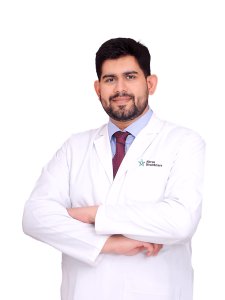
Sarthak Walia

Santosh Kumar Hakkalamani
Dr. Santosh Kumar Hakkalamani is an orthopedic surgeon at Global Hospital Chennai. He specializes in lower limb replacement and arthroscopic knee surgery. Dr. Hakkalamani previously served as a consultant at several university hospitals in the UK. He completed training at the Royal College of Surgeons in Edinburgh.
- Completed a Lower Limb Arthroplasty Fellowship at UHCW Coventry Hospital.
- Finished a Knee Soft Tissue Reconstruction Fellowship at York Teaching Hospitals.
- Awarded 1st Prize for research at the SICOT international meeting.
- Won 1st Prize in Orthopaedics at the British Orthopaedic Trainee Association meeting.
Reviews about Bookimed: Discover Patients' Insights
All reviewsShare this content
Video Stories from Bookimed Patients
 Anna Leonova
Expert Overview about Arthrosis Treatment in India
Is arthrosis the same as osteoarthritis?
Arthrosis and osteoarthritis are two names for the same degenerative joint condition. Both terms describe the gradual wear of joint cartilage. Medical professionals in India and Europe often use arthrosis. North American specialists typically prefer osteoarthritis to describe this chronic joint disease.
- Main cause: Cartilage degeneration from age, obesity, or joint injury.
- Typical onset: Symptoms usually develop gradually after age 50.
- Symptom profile: Morning stiffness lasting under 30 minutes and mobility loss.
- Joints affected: Primarily impacts weight-bearing joints like knees, hips, and spine.
Bookimed Expert Insight: While patients often search for arthrosis specifically, Indian hospitals like Manipal or Global Hospital Mumbai process over 2,000,000 patients annually using standardized OA protocols. Top surgeons such as Dr. Anchit Uppal now prioritize robotic joint replacement for these cases. This advanced technology often ensures higher precision compared to traditional manual methods used for the same diagnosis.
Patient Consensus: Patients note that the name arthrosis sometimes feels less serious than osteoarthritis. Experts recommend using X-rays or grading scales to confirm the real stage of joint wear regardless of the term used.
Can arthrosis be cured permanently in India?
Arthrosis cannot be cured permanently in India or globally. It is a degenerative condition that typically progresses. However, Indian centers like Artemis Hospitals and Apollo Hospital Indraprastha use JCI-accredited protocols to manage pain and restore function through advanced joint replacement or arthroscopy.
- Surgical management: Joint replacements provide around 15–20 years of significant mobility.
- Regenerative options: Stem cell therapy is available as an emerging cartilage repair method.
- Accreditation standards: Most top-rated Indian facilities maintain NABH or JCI quality certifications.
- Expert surgical pool: Surgeons like Dr. Anchit Uppal specialize in minimally invasive arthroplasty.
Bookimed Expert Insight: While many search for a permanent cure, our data shows that volume is the best indicator of management success. Manipal Hospitals serves 2,000,000 patients annually and Global Hospital Chennai has performed over 1,000 complex transplants. Choosing high-volume centers often leads to better long-term outcomes because their surgical teams handle a wider range of arthrosis complications.
Patient Consensus: Patients note that while surgery effectively removes pain, it is vital to avoid clinics promising miracle reversals. Many emphasize the need to budget for professional rehabilitation to ensure surgical success remains stable.
What non-surgical treatments are offered for arthrosis in India?
Non-surgical arthrosis treatments in India focus on regenerative therapies like stem cell therapy. Leading centers in Delhi and Mumbai provide viscosupplementation and radiofrequency ablation to manage pain. These JCI-accredited facilities combine advanced orthopedics with intensive physical therapy and traditional Ayurvedic practices.
- Regenerative medicine: Stem cell therapy targets cartilage repair in advanced orthopedic centers.
- Injectable therapies: Platelet-rich plasma (PRP) and hyaluronic acid injections improve joint lubrication.
- Pain management: Radiofrequency ablation deactivates sensory nerves to provide long-term pain relief.
- Holistic care: Ayurveda treatments like Janu Basti complement modern methods in early stages.
Bookimed Expert Insight: Patient volume data highlights a significant trend in Indian multispecialty hospitals. Manipal Hospitals and Apollo Hospitals serve over 1,000,000 patients annually. This massive scale allows these centers to maintain specialized pain management departments. They often integrate orthopedists like Dr. Shrinand V. Vaidya with rehabilitation experts. This volume ensures clinicians see diverse arthrosis cases, leading to more refined non-surgical protocols.
Patient Consensus: Patients note it is important to verify which specific regenerative therapies are available. Many emphasize that combining physiotherapy with traditional methods provides the most sustainable mobility gains.
When is surgery recommended for arthrosis in India?
Surgery for arthrosis in India is recommended when joint damage reaches stage 4 or causes daily structural interference. Specialists prioritize intervention if non-surgical methods fail after 6 months. Key triggers include bone-on-bone contact, night pain, and significant functional impairment in daily activities.
- Functional limit: Surgery is advised when the range of motion drops below 90 degrees.
- Pain threshold: Constant pain persisting during rest or sleep indicates a need for intervention.
- Conservative failure: Patients usually exhaust physical therapy and corticosteroid injections before choosing surgery.
- Structural changes: Visible deformities like bowed legs or knock knees often require surgical correction.
Bookimed Expert Insight: Indian hospitals like Aster CMI or Global Hospital Mumbai often recommend robotic joint replacement earlier than Western facilities. Our data shows patients aged 45 to 55 frequently choose surgery in India to maintain active lifestyles. This trend is driven by high-volume centers performing over 18,000 operations annually with advanced technologies like MAKOplasty.
Patient Consensus: Many patients note that surgery becomes the only option once climbing stairs becomes impossible. They emphasize getting multiple opinions in Tier-1 cities like Chennai or Bengaluru before proceeding.
Does India offer Ayurvedic or other alternative therapies for arthrosis?
India provides a diverse range of Ayurvedic therapies and modern regenerative treatments for arthrosis. Patients can access traditional Panchakarma detoxification or advanced methods like stem cell therapy. These options focus on reducing inflammation and restoring joint function through holistic or minimally invasive protocols.
- Ayurvedic protocols: Specialized treatments like Janu Basti use warm medicated oils for joints.
- Regenerative medicine: Clinics offer stem cell therapy to promote natural cartilage regeneration.
- Injection therapies: Platelet-rich plasma (PRP) and hyaluronic acid help restore lubrication and mobility.
- Accreditation standards: Facilities like BLK Super Speciality Hospital maintain international Joint Commission International (JCI) standards.
Bookimed Expert Insight: While many seek Kerala for traditional Ayurveda, Delhi and Mumbai offer a distinct advantage. Centers like Global Hospital Mumbai combine orthopedic expertise with advanced regenerative technologies. This allows patients to undergo stem cell therapy while staying near major transport hubs. Our data shows these urban centers often specialize in MAKOplasty and robotic-assisted joint care too.
Patient Consensus: Patients note that traditional oil treatments significantly reduce morning stiffness. Many suggest staying in dedicated wellness villages to fully complete the 14-day detox cycles. Others highlight the convenience of having diagnostic imaging like MRIs and Ayurvedic consultations in the same facility.
Why do international patients choose India for arthrosis treatment?
International patients choose India for arthrosis treatment due to significant cost savings and access to robotic-assisted surgery. JCI-accredited facilities offer knee and hip replacements with zero waiting lists. Surgeons often hold international fellowships and utilize minimally invasive techniques to ensure rapid recovery and high success rates.
- Cost advantage: Procedures often cost 60% to 90% less than in Western nations.
- Clinical quality: Top hospitals hold JCI and NABH accreditations for safety and quality.
- Advanced technology: Facilities like Manipal Hospitals use robotic systems and 3D printing.
- Surgical expertise: Surgeons at Global Hospital Mumbai perform thousands of complex orthopedic procedures.
Bookimed Expert Insight: While many countries specialize in a single approach, Indian centers like Aster CMI and Global Hospital Chennai demonstrate high versatility by combining robotic surgery with regenerative therapies. This unique dual-track capability allows doctors to offer stem cell therapy or PRP for early stages and robotic-assisted replacements for advanced arthrosis in one location.
Patient Consensus: Patients note that medical staff in Delhi and Mumbai speak excellent English, which removes communication barriers during complex recovery. Many emphasize the importance of choosing high-volume centers to ensure the surgical team has extensive experience with specific implant brands.