To homepage
4.6/5
TrustPilot

How it works

We've transformed the clinic search process, making it simple, fast, and personal.
Answer a few questionsTake a short quiz to share your Gastric band goals.
Get personalized offers3 clinics, handpicked based on your answers, provide tailored treatment plans and quotes.
Choose the best optionCompare offers and choose the clinic that suits you best.
You can also browse all 35 clinics below.
820К+ patients have got assistance since 2014
50 countries
1,500 clinics
6K+ reviews
3K+ qualified doctors

How Much Does Gastric band Cost in Turkey?

The cost of gastric band surgery in Turkey typically ranges from $4,300 to $6,700. Prices vary depending on the clinic, the surgeon’s experience, the type of gastric band used, and whether extra services like extended aftercare are included. In the United States, the average cost is $17,000 (per ASMBS). That means gastric band surgery in Turkey is about 68% less than in the U.S.

Turkish clinics usually offer packages that include pre-op tests, general anesthesia, the gastric band device, hospital stay (1–2 nights), medications, and follow-up visits. In the U.S., the listed price often covers only the surgeon’s fee, with anesthesia, device, hospital, and aftercare billed separately. Always confirm exactly what’s included before booking your procedure.

Key Benefits
  • Get a gastric band in Turkey at 60-75% less than in the USA and UK.
  • Options available include LAP-BAND®, REALIZE, and Swedish Adjustable Gastric Band.
  • Free consultation with a specialist to determine the most suitable gastric band procedure for you.
  • 100% data protection and confidentiality guarantee.
  • Exclusive deals from trusted Turkish clinics from $4,750.
TurkeyThe UKThe USA
Gastric bandfrom $4,275from $9,000from $12,000
Data verified by Bookimed as of April 2026, based on patient requests and official quotes from 127 clinics worldwide. Median costs are based on real invoices (2025–2026) and updated monthly. Actual prices may vary.

Gastric band Packages in Turkey — April 2026

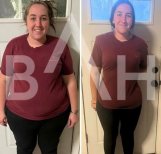
Before and after gastric band results at Büyük Anadolu Hospitals (BAH), visible weight loss
4.3
(4 reviews)

Clinic is certified:
Gastric Band by Surgeon with 20,000+ Bariatric Procedures — All-Inclusive Package
  • Included Services: Consultation with an anesthesiologist, consultation with a bariatric surgeon, blood tests, preoperative tests, post-operative care, follow-up visit, follow-up examination, general anesthesia, 4* hotel, VIP transfer (premium vehicle service, all transfers between airport, hotel, and clinic).
  • Stay Info: 4 days stay in the hospital, 2 days stay in the hotel, accommodations included in the price.

Discover the Best Gastric band Clinics in Turkey: 35 Verified Options and Prices

The Bookimed clinic ranking is based on data science algorithms, providing a trusted, transparent, and objective comparison. It takes into account patient demand, review scores (both positive and negative), the frequency of updates to treatment options and prices, response speed, and clinic certifications.
Lokman Hekim Istanbul Hospital
Memorial Ataşehir Hospital
Memorial Şişli Hospital
Lotus Bariatrics Clinic
Anadolu Medical Center
You’ve viewed 5 of 35 clinics

Gastric band in Turkey: Your Travel Plan

Day 1: Arrival in Turkey
  • Arrive at the designated airport in Turkey. You should have all necessary travel documents, including your passport and any requested medical records.
  • A clinic representative will meet you and handle your transfer to the hotel. This service is usually included in your package and is free of charge.
  • Check into your hotel and settle in. Make sure to rest and hydrate after your flight.
  • Review your schedule for the upcoming days, which the clinic should have provided.
Day 2: Pre-operative Consultation and Tests
  • Attend a pre-operative consultation with your surgeon. You can discuss the gastric band procedure, ask questions, and review your medical history.
  • Undergo pre-surgery health tests, such as blood tests, an endoscopy, and an ultrasound. These tests assess your current health status.
  • If required, meet with an endocrinologist, psychiatrist, and dietitian for a comprehensive assessment. This ensures all aspects of your health are considered.
  • Return to your hotel and rest. Follow any pre-operative instructions from your medical team, such as fasting or dietary restrictions.
Day 3: Surgery Day
  • Arrive at the hospital at the scheduled time. Ensure you have followed all pre-operative instructions, such as fasting.
  • The gastric band surgery will be performed laparoscopically. It involves placing an adjustable band around the upper part of the stomach to create a small pouch.
  • The procedure typically lasts between 1 to 2 hours. After surgery, you will be taken to a recovery room for monitoring.
  • Expect to stay in the hospital for at least 1 night for post-operative care and observation.
Day 4: Post-operative Care
  • Continue to receive care in the hospital. Nurses and doctors will monitor your recovery and manage any pain or discomfort.
  • Attend a post-operative consultation with your surgeon to discuss the surgery results and next steps.
  • If you feel well and your surgeon agrees, you may be discharged from the hospital and return to your hotel.
  • Follow any dietary guidelines provided by your dietitian. This may include starting with liquids and gradually transitioning to soft foods.
Day 5-6: Recovery and Follow-up
  • Rest and recover at your hotel. Avoid strenuous activities and follow your dietitian's plan to aid healing.
  • Stay in contact with the clinic. You may have follow-up appointments or consultations scheduled during these days.
  • Use this time to familiarize yourself with the port placed under your skin, which will be used for future adjustments of the gastric band.
  • Ensure you have all necessary contact information for the clinic in case of any concerns or complications.
Day 7: Final Check-up and Departure
  • Attend a final check-up at the clinic. Your surgeon will assess your recovery and provide instructions for the coming weeks.
  • Discuss any concerns or questions you have about the gastric band, adjustments, or lifestyle changes.
  • Pack your belongings and prepare for your departure. Ensure you have all documents and medical records from the clinic.
  • A clinic representative will arrange your transfer back to the airport. This service is typically included in your package.
  • Board your flight and return home. Continue to follow the post-operative care plan provided by your medical team.

Bookimed, a leading global medical tourism platform, is committed to helping clients looking for Gastric band in Turkey by offering expert assistance and trustworthy medical solutions for every situation. Smart automatic ranking system is used to compose transparent clinic listings, meticulously maintained by a data scientist using AI for accuracy. The platform guarantees authenticity by publishing reviews from real patients after their treatments. Bookimed offers comprehensive medical solutions, with updates from clinics to ensure trustworthiness. The content about Gastric band in Turkey, crafted by experienced medical authors and reviewed by specialists, adheres to Bookimed"s Editorial Guidelines, reflecting the platform"s commitment to delivering high-quality and clear health information. For more details or inquiries, feel free to contact us at marketing@bookimed.com or learn more about us and our mission here.

Our Trusted Doctors

View all Doctors
verified

Vahit Mutluu

13 years of experience

Dr. Mutluu has been performing gastric band procedures at Memorial Ataşehir Hospital since 2013, specializing in bariatric surgery.

  • General surgeon with over _doctor_7098_years_ of experience
  • Previously worked at Tokat State Hospital and Ondokuz Mayis University
  • Currently practices at Memorial Ataşehir Hospital
verified

Omer Bilgehan Poyrazoglu

22 years of experience

Asst. Prof. Dr. Omer Bilgehan Poyrazoglu specializes in bariatric surgery with over _doctor_10683_years_ of experience. He has trained in France, Ankara, and Istanbul for advanced techniques.

  • Expert in laparoscopic and robotic bariatric procedures
  • Member of IFSO – a leading global obesity surgery organization
  • Published multiple articles in international surgical journals
  • Performs gastric band surgeries with a patient-centered approach
verified

Mehmet Guler

34 years of experience

Prof. Mehmet Guler brings over _doctor_9532_years_ of surgical expertise, specializing in gastric band procedures at Medical Park Antalya Hospital Complex.

  • Board-certified general surgeon with extensive training
  • Holds professorship from Istanbul Aydın University
  • Completed specialized training at top Turkish medical institutions
  • Expert in minimally invasive surgical techniques
verified

Samet Yardimci

23 years of experience

Prof. Dr. Samet Yardımcı, one of Turkey's youngest Gastroenterology Surgeons, specializes in advanced laparoscopic and metabolic surgery.

  • Trained in cancer surgery and organ transplants at MD Anderson Cancer Center
  • Specializes in obesity and metabolic surgery with extensive laparoscopic experience
  • Former lecturer at Marmara University, training future surgeons

Gastric band: Before & after photos

View all

Share this content

Video Stories from Bookimed Patients

Dayana
I combined my vacation in Antalya with a check-up.
Procedure: Female check-up
Igor
It was great! Transfers, accommodation, treatment—all included.
Procedure: Dental Implant
Marina
Bookimed did everything for me. I didn't have to worry about anything.
Procedure: Female check-up
Updated: 05/27/2022
Authored by
Anna Leonova
Anna Leonova
Head of Content Marketing Team
A certified medical writer with 10+ years of experience, developed Bookimed’s trusted content, backed by a Master’s in Philology and medical expert interviews worldwide.
Fahad Mawlood
Medical Editor & Data Scientist
General practitioner. Winner of 4 scientific awards. Served in Western Asia. Former Team Leader of a medical team supporting Arabic-speaking patients. Now responsible for data processing and medical content accuracy.
Fahad Mawlood Linkedin
This page may feature information relating to various medical conditions, treatments, and healthcare services available in different countries. Please be advised that the content is provided for informational purposes only and should not be construed as medical advice or guidance. Please consult with your doctor or a qualified medical professional before starting or changing medical treatment.

All You Need to Know about Gastric band in Turkey

Medical Disclaimer: This article is for informational purposes only and is not medical advice. Always consult a qualified healthcare provider before any medical decisions. Results may vary. Read the full disclaimer

faq image

Is it worth choosing Turkey for gastric band surgery?

Choosing Turkey for this weight loss procedure is a worthy option due to its affordable prices, experienced surgeons, modern facilities, and the country's reputation for providing high-quality medical tourism.

We recommend that everyone preparing for this bariatric operation conduct thorough research of clinics and healthcare providers to receive top-notch services.

The Ministry of Health and the Independent Turkish Medical Associations control medical facilities in the country. Leading accredited facilities include Büyük Anadolu Hospitals (BAH International) (4.7/5, Istanbul), Lokman Hekim Istanbul Hospital (4.8/5, Istanbul), and Memorial Bahçelievler Hospital (4.7/5, Istanbul), all holding the following accreditations:

  • JCI (Joint Commission International);

  • ISO (International Organization for Standardization);

  • JCAHO (Joint Commission on Accreditation of Healthcare Organizations) accreditations.

So, why is this destination a worthy choice for undergoing this bariatric procedure?

  • Clinics meeting JCI accreditation standards rank among the top world-class medical institutions. Turkish medical facilities use the most modern techniques and medical equipment, meeting all standards set by international authorities while strictly following healthcare guidelines.

  • The procedure costs much less than in many European countries, making this destination attractive for budget-conscious patients. Current gastric band surgery prices start at $1,500, while in the UK and USA, it ranges from $6,000.

  • Certified bariatric surgeons such as Dr. Vahit Mutluu at Memorial Ataşehir Hospital and Dr. Suleyman Hilmi Ipekci at Hisar Hospital Intercontinental have extensive experience with the technique and train at world-renowned clinics. They hold accreditations from organizations such as JCI, ISO, the International Federation for the Surgery of Obesity, and the American Board of Cosmetic Surgery.

  • Modern hospitals feature high-tech equipment and maintain high hygiene standards. The healthcare system receives support from world-known universities and research institutes, securing sufficient funds for implementing advanced medical technologies.

  • Turkey has 420+ clinics offering gastric band surgery, verified through Bookimed's medical tourism database, with top-rated facilities providing comprehensive all-inclusive packages that cover the operation, accommodation, and post-operative care.

  • No language barrier: top-rated hospitals including Anadolu Medical Center (4.6/5) and Memorial Antalya Hospital (4.6/5) employ English-speaking staff to ensure clear communication.

Turkey's reputation for excellence is reflected in patient experiences. A patient from the UK who underwent weight loss surgery at Kucukcekmece Hospital shared: "The hospital is clean and organised. All the staff from surgeon to cleaning staff were fantastic friendly professional informative and welcoming. I didn't want to leave." (Bookimed verified review, 5.0/5 rating)

What is gastric band surgery?

This procedure is a bariatric operation that reduces the stomach's size, making a person feel fuller after eating less food than usual. It involves placing a silicone band around the upper part of the stomach.

This approach constricts stomach volume and reduces food consumption. The bariatric procedure helps patients lose weight by placing a small ring that slows food passage to the stomach without causing malabsorption.

The procedure is also known as adjustable gastric banding, lap band, or laparoscopic banding (LAGB). The band itself has approval as an effective weight loss treatment from the Food and Drug Administration (FDA).

A bariatric surgeon places the stomach band around the upper portion of the stomach using a laparoscope and attaches a tube to the ring. The tube connects to an injection port placed under the abdomen's skin.

The surgeon then injects a saline solution into the adjustable band through this port to inflate it. This allows adjustment of the constriction level around the upper stomach, creating a small pouch above.

A smaller stomach holds less food at one time, thus increasing the feeling of fullness. As a result, patients reduce their overall food consumption.

What are adjustable gastric band cost and packages in Turkey?

The procedure cost in this destination is 50–80% less than in the UK. This means you can save thousands of pounds.

The average cost ranges from $1,500 to $4,600. To understand the price comparison with the US and Western markets, here's a comparative table:


UK

USA

Germany

France

Turkey

Prices

$6,000 to $15,000

$5,000 to $30,000

$8,000 to $15,000

$8,000 to $20,000

$1,500 to $4,600

Package may offer

(included in the price)

  • Procedure

  • Post-op care

  • Hospital & hotel stay

  • Transfer

  • Consultation

  • Pre-op tests

  • Procedure

  • Post-op care

  • Hospital & hotel stay

  • Consultation

  • Warranty

  • Pre-op tests

  • Procedure

  • Post-op care

  • Consultation

  • Pre-op tests

  • Procedure

  • Post-op care

  • Hospital & hotel stay

  • Medication

  • Consultation

  • Pre-op tests

  • Procedure

  • Post-op care

  • Hospital & hotel stay

  • Medication

  • Consultation


Medical tourism in this destination almost always provides patients with all-inclusive packages. These can include free services such as:

  • medical procedure;
  • hospital and hotel stays;
  • taxi transfer 'airport-hotel-clinic-airport';
  • language assistance;
  • medical consultation.

Medical packages can vary based on the healthcare provider. We recommend checking the specific clinic you're interested in to specify the package plan. Medical coordinators from Bookimed are available 24/7 to answer your questions and choose the best hospital and healthcare provider. To get comprehensive assistance, just leave your contacts on our website.

What is a gastric band, and how does it work?

Lap bands are made of silastic rubber with an inflatable balloon inside. This makes the band adjustable. It connects to an injection port placed under the abdomen's skin. The ring can be regulated using a needle placed in the port, which fills the band with water.

Technical Specifications: Modern gastric bands are adjustable silicone devices with diameters ranging from 9.75–14 cm, containing an inflatable balloon that holds 4–12 ml of saline solution. The adjustment port is placed subcutaneously 2–3 cm below the skin surface, connected via a catheter system.

A surgeon decides whether to loosen or tighten the bariatric band over time. Patients should visit a surgeon in 4 to 6 weeks to adjust the band. However, patients can request tightness level changes earlier if they experience discomfort.

If a patient has eating issues, can't lose weight, or vomits after each meal, it's recommended to ask a surgeon to adjust the band's tightness. It's also possible to regulate the amount of food a person can eat in the future.

Patients require an average of 0.6 adjustments per month during the first six months, decreasing to 0.4 adjustments monthly in months 6–12, with ongoing adjustments as needed throughout the device's lifespan. Research displayed several groups of patients divided according to follow-up length. Patients from a subgroup 0–6 months had 0.6 adjustments per month and 18.3% of excess weight loss. Another group of 6–12 months had 0.4 adjustments per month and 27.2% of excess weight loss.

How is gastric banding procedure performed?

faq image

Patients receive general anesthesia, so they'll be asleep and won't feel pain. A surgeon uses a tiny camera called a laparoscope placed in the belly. This tool allows the doctor to see inside the abdomen.

These are key features of the restrictive band operation:

  • Up to 5 minor surgical cuts are needed to place a laparoscope in the abdomen to start the operation.
  • A surgeon places a band around the upper stomach creating a small pouch at the top.
  • It involves no stapling inside the belly.
  • The operation duration is 30 to 60 minutes.

After the procedure, the stomach, namely a small pouch at the top, will fill quickly. Patients will feel full when eating a smaller amount of food than they consumed before the operation.

A long-term outcomes study of 125 patients with an average body weight of around 120 kg and a BMI of 44 kg/m² found that 50% achieved success after the procedure, though 43% required band removal within 54 months, while 29% of patients underwent their second weight loss operation.

The failure rate of this bariatric procedure varies significantly in long-term studies. While early research suggested 10–15% failure rates, recent long-term data shows much higher rates: 54% of patients required band removal in one 14-year study, as patients who fail don't follow the rules for success, meaning neglecting lifestyle changes and balanced diet.

What are the requirements to undergo gastric band surgery?

Doctors recommend this bariatric procedure to patients who meet the below-mentioned indications:

  • A body mass index (BMI) of 40 or higher or a BMI of 35 or higher with one obesity-related comorbid condition, i.e., hypertension, diabetes, and severe musculoskeletal issues.

  • Having unsuccessful nonoperative weight loss attempts.

  • Be an adult (18 years old minimum).

  • Having excess weight for more than 5 years.

  • Not having any other disease that caused obesity.

  • Being in good mental health, with no dependencies.

  • Being free of any medical contraindications to bariatric procedures.

  • Having done medical follow-ups frequently.

  • Consult a surgeon before the procedure to get a customized evaluation to be ready for the operation.

Laparoscopic banding is an effective way to treat morbid obesity. However, the weight won't come off by itself. Besides limiting food intake via the operation and slowing digestion, people should be highly motivated to adopt new lifestyle changes and diet regimes.

What is pre- and postoperative care of gastric band procedure in Turkey?

Before the operation, a surgeon will ask patients to complete tests and visit other medical specialists to verify their current health condition. This can include the following tests and visits:

  • Blood and other tests, i.e., EKG and X-ray, to ensure a person is an eligible candidate for the procedure.

  • Prior consultation with a personal healthcare provider, surgeon, or a pre-op nurse about operation details: what happens before, during, and after the procedure, and what side effects may occur.

  • Complete a physical exam, an all-inclusive health examination including a medical history review, lungs, heart, chest, and abdomen check-ups, discussing medications, some pre-op steps, etc.

  • Check a nutrition plan.

  • Visit a psychologist to get emotionally ready for the operation.

If a patient smokes regularly, it's necessary to stop smoking several weeks ahead of the operation to mitigate risks and facilitate the recovery process.

Don't forget to share with your healthcare provider or surgeon whether you consume medicines, vitamins, or other supplements that can influence preparation. Also, tell a doctor if a woman is pregnant or might be pregnant. Patients should also see an anesthesiologist to discuss the medicine given that will make them sleep during the procedure.

A week before the operation, patients should stop taking particular medicines like aspirin, ibuprofen (Advil, Motrin), vitamin E, and warfarin (Coumadin), which can make it hard for blood to clot. A day before the procedure, patients should follow these instructions:

  • don't eat or drink anything for 6 hours before the operation

  • take the medicines a doctor told to take with a small sip of water

  • arrive at the clinic at the defined time.

What about postoperative care? Patients can return home on the day of the operation. However, it depends on the health state, so monitoring it attentively for several hours after the procedure is essential. Also, a person can begin everyday life several days after the operation. It's recommended to take one week's vacation from work.

The diet regime will differ significantly from the initial one: patients will stay mostly on liquids and mashed soft foods. Returning to regular meals just six weeks after the operation is possible.

Behavior changes and diet compliance play a crucial role in the long-term success of the procedure.

Long-term studies show that gastric banding leads to noticeably less weight loss than other bariatric surgeries. On average, patients lose about 45.9% of their excess weight with a gastric band, compared with roughly 56.7% after gastric bypass and 58.3% after sleeve gastrectomy. These numbers come from a large review of studies, including research that followed gastric band patients for up to 20 years.

What are the benefits and risks of gastric band surgery?

As with any other surgical procedure, this bariatric operation has advantages and disadvantages. Consider its pros and cons to define whether this treatment type is appropriate for losing sufficient weight.

faq image

Benefits of a lap band procedure

  1. Adjustability and reversibility.

The bands can be adjusted over time to control the amount of food taken. This helps achieve the optimal weight loss process. A surgeon can loosen or tighten using a saline solution that is added or removed through the port under the skin.

This function allows healthcare providers to manage the restriction level based on a patient's weight loss progress and objectives. Another option is that the bands are reversible: they can be removed easily, making the stomach return to its initial size and functionality.

  1. Low-invasive operation.

Compared to other weight loss procedures, lap band operations are less invasive. They involve just small incisions, with a short recovery and possibly fewer complications. Gastrointestinal tract and absorption processes are not disrupted like in gastric sleeve and gastric bypass procedures since no stomach or intestine portions are removed. Patients feel less discomfort and can return to normal life in a shorter time.

  1. Gradual weight reduction.

This procedure involves gradual weight loss. A lap band creates a small pouch at the upper portion of the stomach, limiting the amount of food a patient can consume at one time. Patients feel fuller with smaller portions and consequently get fewer calories.

Losing weight gradually enables the body to adapt to the food intake and mitigates the risk of nutrient deficiency because of rapid weight loss. As a result, patients achieve long-term weight reduction and maintenance over time.

  1. Low risk of nutritional deficiency.

As this procedure involves no cuts to the stomach and intestine, there are no problems with absorption and nutritional deficiency compared to other weight loss operations. The banding doesn't interfere with digestion and absorption of nutrients. The stomach ring simply restricts the amount of food that enters the stomach.

  1. Absence of dumping syndrome.

This side effect is common for weight loss surgical interventions such as gastric sleeve and gastric bypass. This means that a reduced stomach after the operation can't accommodate the amount of food taken before the procedure.

As a result, even a small meal can cause vomiting and nausea. The reason is the removal of a great part of the stomach. With the banding procedure, there's no incision, so the dumping syndrome is fully eliminated.

Drawbacks of gastric banding

  1. Slower weight loss process.

Lap banding is characterized by slower progress in weight loss. The difference is that in other bariatric operations, a surgeon removes a great portion of the stomach by diminishing the feeling of hunger. However, the hunger hormone ghrelin remains during the lap band procedure, leading to less weight reduction.

  1. Need for regular band adjustments.

It's necessary to adjust the band in four to six weeks to facilitate the weight loss process and prevent possible complications. Patients have to visit a healthcare provider to make this change and achieve long-term success.

  1. Specific complication rates.

A 10-year clinical study of 178 gastric band patients documented specific complication rates: slippage (2.2%), erosion/migration (1.1%), port/tube complications (5%), with 19.1% requiring band removal. Late reoperation rates reached 31.4% – nearly four times higher than gastric bypass (8.1%). However, choosing certified clinics and experienced surgeons significantly reduces these risks.

  1. Lifestyle changes and dietary limitations.

Because of a restriction at the top part of the stomach, patients should consume mashed and well-ground food. Patients should consult a surgical dietitian to ask what meals are allowed. Thus, this procedure requires diet and lifestyle modification, including physical activities.

How much weight can I lose with a gastric band?

Generally, the weight comes off slower than with other weight reduction operations. Patients should keep losing weight for 3 years maximum. The average weight loss ratio is about one-third to one-half of the excess weight.

The NIDDK's Longitudinal Assessment of Bariatric Surgery (LABS) study, following 4,776 participants for 7 years, found that gastric band patients lost an average of 14.9% of their total body weight compared to 28.4% for gastric bypass patients.

Losing weight after this bariatric procedure can improve health conditions if patients suffer from breathing problems, gastroesophageal reflux disease (GERD), cardiovascular issues like high blood pressure, high cholesterol levels, type 2 diabetes, fatty liver disease, and sleep disorder.

Reference list

  1. J. Khoraki, M.G. Moraes, A.P.F. Neto. Long-term outcomes of laparoscopic adjustable gastric banding. The American Journal of Surgery, 215 (January (1)) (2018), pp. 97-103. (date of access: 26.11.2025).

  2. Clément Tavernier, Maud Robert, Julie Perinel. Long-term outcomes of gastric banding: Experience of a single tertiary care center specialized in bariatric surgery. Surgery Open Digestive Advance, Volume 1, February 2021. (date of access: 26.11.2025).

  3. Evan Valle, Minh B Luu, Khristi Autajay. Frequency of adjustments and weight loss after laparoscopic adjustable gastric banding. Obes Surg. 2012; 22, p.1880-1883. (date of access: 26.11.2025).

  4. Cunneen S.A. Review of meta-analytic comparisons of bariatric surgery with a focus on laparoscopic adjustable gastric banding. Surgery for obesity and related diseases. 2008 May-Jun; 4: p.47-55. (date of access: 26.11.2025).

  5. Tammy Kindel M.D., Emily Martin B.A., Eric Hungness M.D. High failure rate of the laparoscopic-adjustable gastric band as a primary bariatric procedure. Surgery for Obesity and Related Diseases, Volume 10, Issue 6, November–December 2014, p.1070-1075. (date of access: 26.11.2025).

  6. Life with a Gastric Band. Long-Term Outcomes of Laparoscopic Adjustable Gastric Banding–a Retrospective Study / P. K. Kowalewski et al. Obesity Surgery. 2016. Vol. 27, no. 5. P. 1250–1253. URL: https://doi.org/10.1007/s11695-016-2435-2 (date of access: 26.11.2025).

FAQ about Gastric band in Turkey

These FAQs come from real patients seeking medical assistance through Bookimed. Answers are given by experienced medical coordinators and trusted clinic representatives.

Who is a candidate for gastric band surgery in Turkey?

Candidates for gastric band surgery in Turkey typically include adults with a Body Mass Index of 40 or higher. Those with a BMI of 30 to 35 may qualify if they have obesity-related conditions like type 2 diabetes or hypertension. Successful applicants must demonstrate previous weight loss attempts and long-term lifestyle commitment.

  • BMI requirements: Minimum BMI of 40 or 30 to 35 with serious health comorbidities.
  • Age range: Most Turkish clinics accept patients between 18 and 65 years old.
  • Medical evaluations: Mandatory preoperative blood tests, ultrasounds, and consultations with anesthesiologists and surgeons.
  • Health status: Must be healthy enough for general anesthesia and lack untreated psychiatric conditions.
  • Weight history: Documentation of unsuccessful diet and exercise efforts for 6 to 12 months.

Bookimed Expert Insight: While many seek gastric bands for reversibility, our data shows a shift toward robotic-assisted surgery for higher precision. Surgeons like Professor Abdukadir Bedirli at Private Koru Ankara Hospital use robotic platforms to minimize trauma. This is vital because bands require frequent follow-up adjustments to remain effective over time.

Patient Consensus: Patients emphasize that strict adherence to post-operative dietary plans is essential for success. Many report that while the procedure is minimally invasive, the mental commitment to new eating habits is the most challenging part of the journey.

What is the success rate for weight loss?

Weight loss success with a gastric band averages 30% to 50% for sustained results, though medical interventions like bariatric surgery generally show higher long-term maintenance of 79% after five years. Turkey provides access to surgeons who have performed over 20,000 procedures to ensure patient safety and outcomes.

  • Long-term maintenance: Only 10% to 20% of patients maintain initial loss without surgical revisions.
  • Clinical weight loss: Supervised programs typically achieve 7% to 10% body weight loss within six months.
  • Revision frequency: Approximately 70% of patients require band adjustments or removal within 2 to 5 years.
  • Success definitions: Successful losers often exercise one hour daily and maintain consistent low-calorie eating patterns.

Bookimed Expert Insight: While gastric bands are available, our data shows a shift toward sleeve gastrectomy due to the band having a success rate below 40%. Leading surgeons like Dr. Emin Ersoy, with 10,000 surgeries, often recommend more modern techniques. If choosing a band, look for packages at clinics like Büyük Anadolu Hospitals that include 4 days of hospital stay for proper monitoring.

Patient Consensus: Patients emphasize that extreme compliance with protein-first dieting is necessary, yet many eventually budget for future band removals due to reflux or slippage issues.

Is it safe to have this surgery in Turkey?

Gastric band surgery in Turkey is safe when performed at JCI-accredited hospitals by surgeons registered with the Turkish Medical Association. Leading clinics maintain 95% success rates using laparoscopic techniques. Modern facilities in Istanbul and Ankara provide comprehensive pre-operative screenings and 4-day hospital stays to monitor early recovery.

  • Surgeon expertise: Top bariatric surgeons like Dr. Mustafa Sahin have performed over 20,000 procedures.
  • Clinical standards: Hospitals like Memorial Sisli hold JCI accreditation, meeting 1,200 global safety protocols.
  • Advanced technology: Minimally invasive laparoscopic and robotic-assisted systems reduce infection risks and recovery time.
  • Regulatory oversight: The Ministry of Health regularly audits clinics holding International Health Tourism certificates.

Bookimed Expert Insight: Data shows a major safety gap between general clinics and specialized bariatric centers. While general hospitals serve 280,000 patients annually, single-specialty hubs like Lotus Bariatrics focus exclusively on obesity. These specialized clinics often report higher meticulous follow-up rates, which is vital for managing adjustable gastric bands.

Patient Consensus: Patients emphasize the importance of choosing hospitals where the staff is described as professional and welcoming. Many recommend arranging local follow-up care for band adjustments before traveling to ensure long-term success.

Are there any medical reasons I might be rejected?

Medical rejection for a gastric band in Turkey usually occurs due to high-risk health markers that compromise surgical safety. Surgeons primarily deny candidates with a Body Mass Index (BMI) below 30, untreated infections like H. pylori, or uncontrolled chronic conditions such as severe diabetes and heart disease.

  • BMI requirements: Clinical protocols typically require a minimum BMI of 30 to 35.
  • Gastric health: Active H. pylori infections or severe GERD often lead to rejection.
  • Glycemic control: Patients with HbA1c levels above 9% face postponement for safety.
  • Cardiac clearance: Uncontrolled hypertension or sleep apnea require stabilization before surgical approval.

Bookimed Expert Insight: Clinical data shows that veteran surgeons, like Dr. Mustafa Sahin who has performed 20,000+ procedures, often use pre-travel screenings to prevent on-site rejections. Some clinics at Büyük Anadolu Hospitals include comprehensive blood tests and anesthesiology consultations in their packages to catch issues like fatty liver early. Patients should confirm if their package covers these diagnostic screenings to avoid unexpected travel for a cancelled surgery.

Patient Consensus: Patients emphasize the importance of getting a sleep study and cardiac clearance before booking. Sentiment shows that treating minor infections in advance prevents disappointing last-minute postponements after arriving in Turkey.

How is the surgery performed?

Gastric band surgery in Turkey is a minimally invasive laparoscopic procedure lasting 30 to 60 minutes under general anesthesia. Surgeons create 4 to 5 small incisions to place an adjustable silicone band around the upper stomach, creating a small pouch to limit food intake.

  • Surgical approach: Surgeons use laparoscopic tools to minimize trauma and scarring during the procedure.
  • Device placement: An adjustable silicone band is secured around the top section of the stomach.
  • Port installation: A small access port is placed under the skin for future saline adjustments.
  • Hospital stay: Most patients are discharged within 24 hours Following the 1-day clinical observation.
  • Initial recovery: Patients typically return to light daily activities within 1 to 2 weeks.

Bookimed Expert Insight: While the surgery itself is quick, the weight loss success depends entirely on post-operative adjustments. Data shows that clinics like Büyük Anadolu Hospitals utilize surgeons with over 20,000 procedures, ensuring the port is placed perfectly for the multiple saline fills required in the months following surgery.

Patient Consensus: Patients frequently report that the physical pain is much lower than expected. Many highlight the importance of choosing a clinic with a clear long-term aftercare plan for the necessary band tightenings.

How long is the recovery time?

Laparoscopic gastric band recovery in Turkey typically requires 1 to 2 weeks for basic healing, with a full adjustment period lasting 4 to 6 weeks. Most patients spend 4 days in the hospital for monitoring and can return to light desk work within 7 to 10 days.

  • Hospital stay: Expect 4 days in a clinical setting for immediate post-operative monitoring and safety.
  • Initial downtime: Most patients require 1 to 2 weeks off work to manage early healing.
  • Dietary transition: A pureed food diet is mandatory for 4 weeks to ensure proper band placement.
  • Full adjustment: Real restriction and internal healing typically stabilize after 4 to 6 weeks.

Bookimed Expert Insight: While many clinics suggest a quick return to normal life, data from surgeons like Dr. Mustafa Sahin shows that true restriction only develops after 4 weeks. Choosing a package with a 4-day hospital stay, rather than same-day discharge, provides a safer window to manage initial band adjustments and dehydration risks.

Patient Consensus: Patients often report experiencing nausea or reflux during the first week. Success relies on strictly following the 4-week pureed food rule to prevent the band from slipping during the early healing phase.

How often does the band need to be adjusted?

Gastric band adjustments typically occur every 4 to 8 weeks during the first year to ensure steady weight loss. Most patients require 4 to 6 fills initially as they heal. After 18 months, frequency usually decreases to 1 to 2 maintenance check-ups per year.

  • Initial frequency: Adjustments occur every 4–8 weeks during the first 12 months.
  • Long-term maintenance: Visits drop to 1–2 times annually after the initial weight loss phase.
  • Total first-year fills: Patients generally undergo 5–8 saline fills to reach the green zone.
  • Symptom-based adjustments: Immediate fills are necessary if weight loss stalls for over 2 months.

Bookimed Expert Insight: While many focus on the surgery, the real success driver is the lifetime port access included in Turkish packages. For example, clinics like Lotus Bariatrics Clinic report a 95% success rate partly because they emphasize meticulous follow-up. Since 20% to 30% of global band removals stem from poor adjustment management, choosing a clinic that provides a structured long-term follow-up plan is more critical than the initial surgery cost.

Patient Consensus: Patients emphasize that tracking weekly hunger and reflux is better than waiting for weigh-ins to schedule a fill. Many recommend securing a local specialist for interim adjustments before traveling to Turkey to avoid progress plateaus.

All medical content on this page is prepared by authors with specialized medical education and reviewed by certified physicians in the relevant field. Medical review by Fahad Mawlood, Medical Editor & Data Scientist.

Last updated: April, 2026.

  • Statistics: Figures are based on Bookimed’s internal database April 2026, which includes analysis of 12,450 patient requests across 35 accredited clinics in Turkey.
  • Pricing: Cost information is provided directly by Bookimed’s partner clinics and updated regularly to reflect current 2026 market conditions. Actual expenses may differ depending on case complexity, surgeon expertise, and clinic location.
  • Clinical Data: Treatment outcomes and patient satisfaction figures are collected from Bookimed’s verified clinic database and supported by data from peer-reviewed medical sources such as PubMed, The Lancet, JAMA, and NEJM (2023–2026).

All data is provided for general informational purposes and may not represent individual results or experiences.

Get a free consultation

Select the best way to contact you