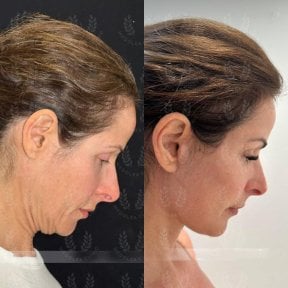
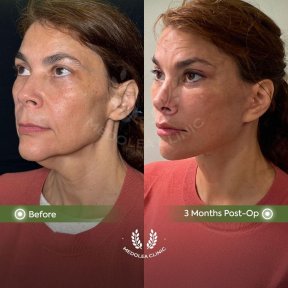
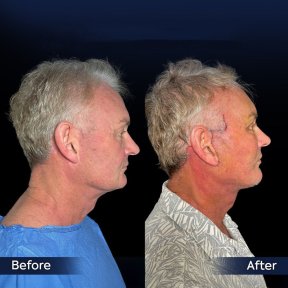
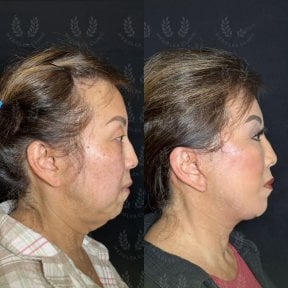
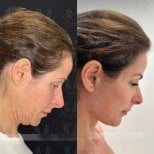
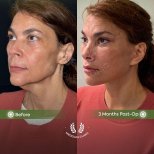
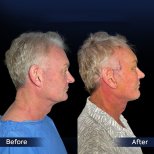
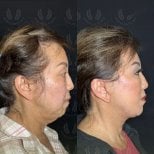
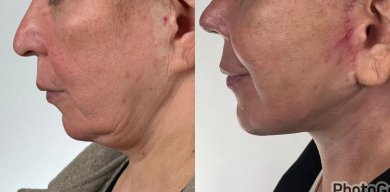
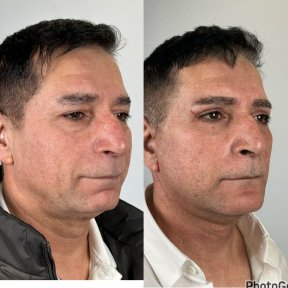
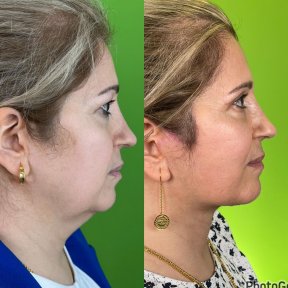
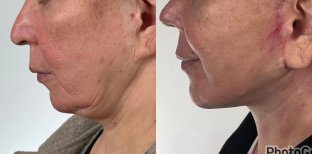
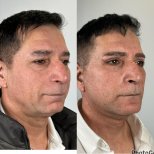
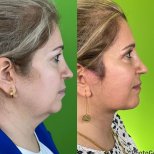
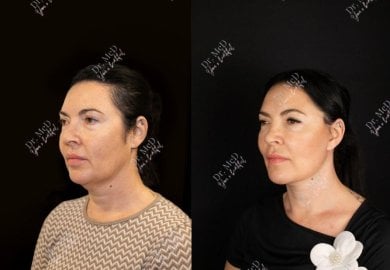
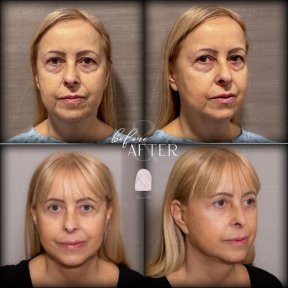
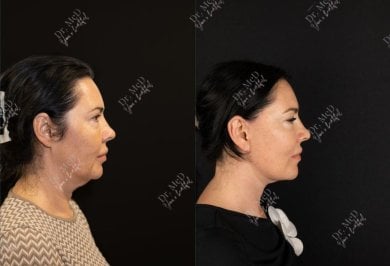
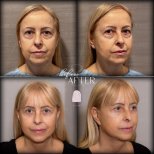
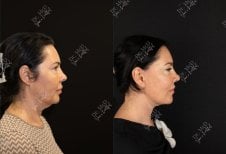
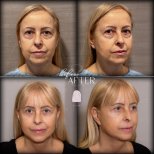
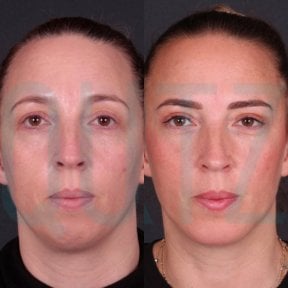
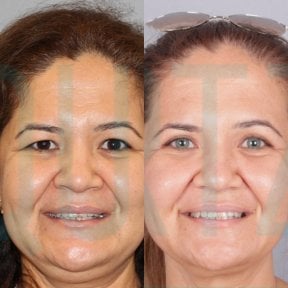
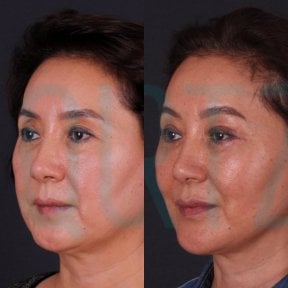
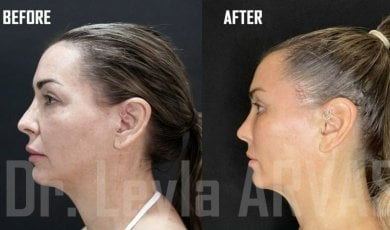
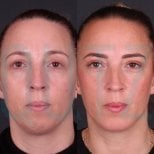
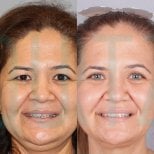
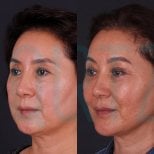
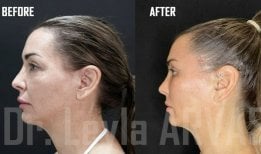
A neck lift in Turkey tightens loose skin and vertical neck bands, helping restore a firmer, more defined neck and jawline. Turkey lists more than 100 verified clinics on Bookimed for the procedure, most of them in Istanbul and some with internationally trained plastic surgeons.
Which Neck Lift Technique Fits You, and How Long Does Each Last?
"Neck lift" is an umbrella term for several operations. The right one depends on how much looseness you have and how deep it sits. Techniques have moved from skin-only tightening toward deeper-plane methods that reposition the muscle and ligament layers. The three options below suit different starting points, and each holds for a different length of time.
| Technique | Best suited for | What it repositions | How long it typically lasts |
|---|
| Deep plane neck lift | Deeper looseness, with jowls and neck bands together | Releases the deep anchoring ligaments and moves the muscle layer as one unit | about 12–15 years |
| Traditional neck lift (platysmaplasty) | Moderate looseness and visible neck bands | Tightens the platysma muscle and redrapes the skin | about 7–10 years |
| Mini (limited-incision) neck lift | Younger patients with mild looseness and a little under-chin fat | Small incisions plus fat sculpting under the chin | about 5–8 years |
A deep plane neck lift works in a deeper tissue plane. It moves the deeper neck and facial layers together, which makes it the most durable choice. It uses the same approach as a deep plane facelift. The procedure works on several layers at once – skin, the platysma muscle, and fat. These deeper techniques hold longer than skin-only tightening.
When jowls and mid-face looseness appear together, surgeons often combine a facelift and a neck lift. For example, Bookimed partner Dr. MED in Istanbul offers both platysmaplasty neck lifts and deep plane facelifts. How long the result lasts also depends on your skin, weight, and sun exposure, along with the surgical technique used.
What makes results last
Three habits protect your result:
- a stable weight keeps the sculpted tissue from stretching or deflating;
- daily broad-spectrum SPF slows the UV damage that ages skin;
- staying off nicotine protects the small blood vessels that feed healing skin.
Neck Lift After Major or GLP-1 Weight Loss
A neck lift can tighten the loose skin and muscle bands left after major weight loss. At your assessment, a surgeon decides how deep the correction needs to go.
Why loose necks return after weight loss
GLP-1 medicines such as Ozempic, Mounjaro, and Wegovy lead to significant weight loss. After large weight loss, the neck can hold loose skin, visible muscle bands, and deeper looseness. Skin tightening alone may leave some of these bigger changes untreated. The salivary glands under the jaw can also contribute to a less defined, hollow appearance in the neck. A lasting result often needs deeper contouring alongside skin removal.
The weight-stability window
Timing matters, because losing more weight after surgery can undo the result. Reaching a stable, healthy weight before surgery also lowers complication risk and supports healing.
- Hold a steady weight for at least six months before surgery.
- After weight-loss surgery, surgeons often wait about 12–18 months after you reach your goal weight.
- Losing another 10–15 kg, or about 20–30 lb, after the lift can deflate the result, so plan surgery once your weight has settled.
Because rapid weight loss can leave protein or iron low, the Turkish clinics we work with run pre-op blood tests first. Packages from Soraca Med Istanbul and Dr. MED include those tests and a plastic surgeon consultation.
What the Safety Data Shows About Neck Lift Outcomes
Neck lift surgery has a strong safety record in accredited hands, and the results hold up well in published data.
Satisfaction and results
The clearest evidence comes from a published series of 641 consecutive deep-plane neck lifts. About 88% of patients rated their result "very good" or "beyond expectation." A surgeon also considers your age and anatomy when planning the procedure, helping tailor the result to what surgery can achieve.
Patients also highlight this kind of personal communication. A Swedish patient treated at Quartz Hospital wrote in their review: "What gave me the most confidence was my surgeon sitting down with me to draw the incision lines right before the procedure."
Recovery and the first 24 hours
Roughly 9 in 10 patients in that series had no complications at all. The changes that did occur, such as a temporary fluid collection under the skin, settled with routine care, and most eased within about three weeks.
When bleeding under the skin does need attention, it nearly always shows up within the first 24 hours. That's why a supervised first night with nursing observation matters. Several packages from Bookimed partners in Turkey include a supervised hospital night before the hotel transfer; Quartz Hospital's package, for example, includes 24-hour nursing.
What supports recovery
Two things the surgeon and patient control make a real difference. Keeping blood pressure steady after surgery helps prevent bleeding under the skin. Avoiding nicotine for several weeks before and after helps the skin heal. Nicotine narrows the small vessels that feed healing tissue. Choosing a board-certified plastic surgeon in an accredited facility also means any early changes during recovery can be recognized and managed on site.
When Is It Safe to Fly Home After a Neck Lift?
Plan to stay in Turkey for about 10–14 days after a deep-plane procedure. That gives your operating surgeon time to remove your sutures and confirm you're healing well before you fly.
How long to stay before flying
Plastic surgery guidelines generally recommend waiting at least about 7–10 days after facial surgery before flying. A 10–14 day stay clears the early swelling and healing window comfortably. Staying that long is a benefit of treatment abroad. The surgeon who operated on you does your suture check and final review.
A typical recovery timeline looks like this:
- Arrival, pre-op checks, and a consultation with your surgeon.
- Surgery, then a supervised first night with nursing observation.
- Early recovery days at your hotel while swelling settles.
- Suture removal and healing check with your operating surgeon.
- Surgeon clearance, then your flight home.
Why the extra days matter
In the cabin, lower pressure and dry air can briefly add swelling and tightness in the neck and jaw, so letting that settle before travel is more comfortable. Taking a long flight shortly after general anesthesia can also raise the risk of blood clots. Staying mobile, wearing compression stockings, and giving your body enough time to recover can help reduce that risk.
Plastic surgery guidelines advise enough in-country recovery before a long-haul flight. Your Bookimed coordinator stays in contact with the clinic to line up your final review before you leave.
How to Choose a Neck Lift Surgeon in Turkey
Choosing the right surgeon and clinic is an important part of planning your neck lift. International guidance is to choose a board-certified plastic surgeon and confirm their training before you decide.
Credentials to confirm
Look for these credentials on the surgeon's profile:
- In Turkey, "cosmetic surgeon" is not a protected title, so look for the plastic surgery board qualification specifically.
- Check for EBOPRAS, a European plastic-surgery board qualification, or membership of an international aesthetic plastic-surgery society such as ISAPS.
- Choose an accredited hospital or clinic that holds a Ministry of Health international-patient authorization.
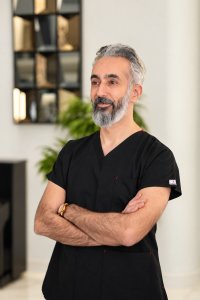
Bookimed surgeon profiles show each doctor's certificates, so you can compare board-certified plastic surgeons in Turkey directly. For example, partner clinics list the following credentials:
Aftercare and follow-up
Confirm the aftercare plan:
- Check who reviews you each day and when your sutures come out.
- Ask how follow-up works once you're back home, so care continues without a gap.
Before you travel
A few things are worth arranging before your trip:
- Standard travel policies usually exclude elective cosmetic surgery, so arrange a dedicated complication policy before you leave.
- Ask the clinic how a complication is handled once you're home; corrective care can mean a short return trip to your operating surgeon, and a written aftercare policy makes that clear up front.
- Confirm what your package covers if pre-op checks change the plan on arrival.
A Bookimed coordinator keeps in touch with the clinic on your behalf and helps arrange your consultation, paperwork, and follow-up.