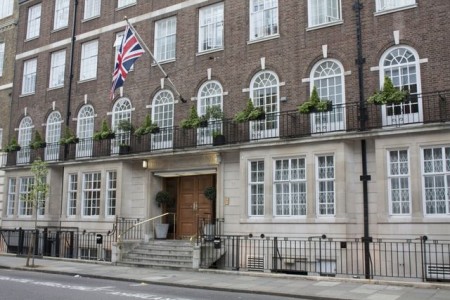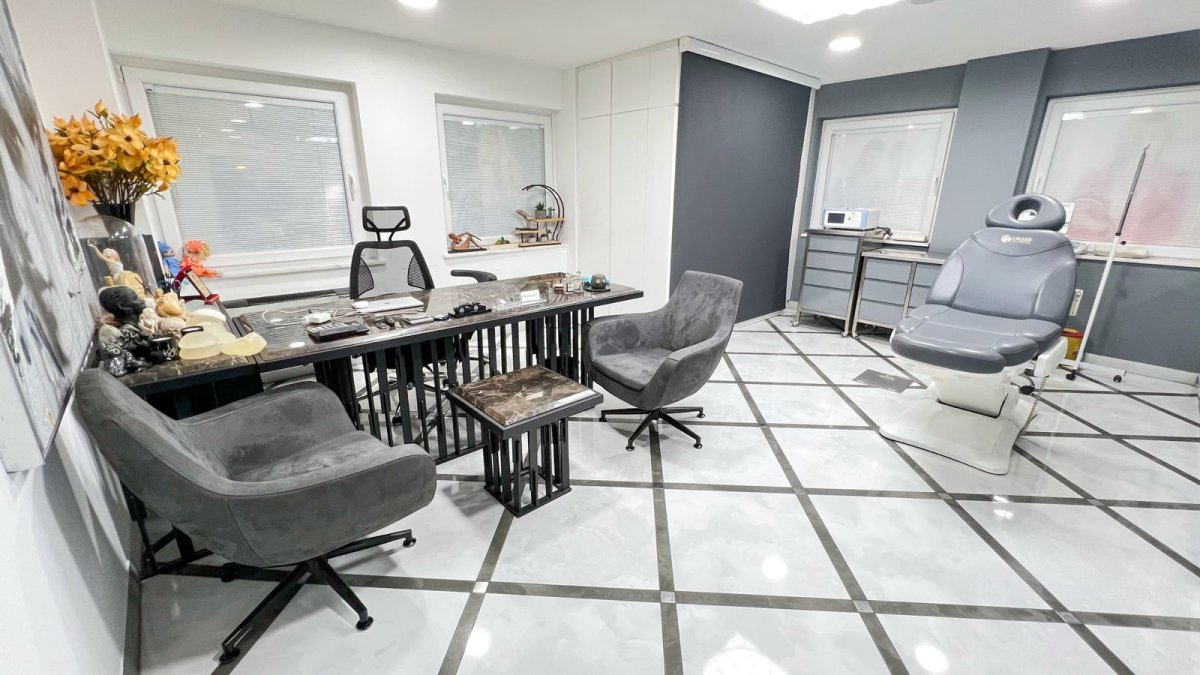
Plastic Surgery Group Clinic
United Kingdom, London


Medically reviewed by
Fahad Mawlood
Gastroenterology services in the United Kingdom typically cost from $8,900 to $29,600. Final expenses depend on the specialist's experience, the complexity of the diagnostic procedure, and the specific clinic location. Prices often include hospital fees, sedation, and consultant fees for initial assessments or specialized follow-up care.
Typical Gastroenterology Costs in United Kingdom
Major medical centers are located in London, Manchester, and Birmingham. While Scotland and the East of England often have higher rates, London and Northern Ireland can offer more competitive pricing for basic endoscopic procedures. Consult with a specialist to get accurate pricing for your specific medical needs.
| United Kingdom | Turkey | Austria | |
|---|---|---|---|
| Transoral Incisionless Fundoplication (TIF) | ≈ $8,500 | from $13,800 | ≈ $7,500 |
| Targeted therapy | ≈ $3,800 | from $3,000 | ≈ $9,000 |
| Stomach resection | from $9,500 | from $2,700 | ≈ $17,500 |
| Small intestine resection | ≈ $24,000 | from $6,000 | ≈ $14,500 |
| Selective Apheresis | ≈ $2,800 | ≈ $1,200 | ≈ $1,800 |
No hidden fees – just official clinic prices. Pay at the clinic for Gastroenterology treatment upon arrival and use a flexible installment plan if needed.
Bookimed is committed to your safety. We only work with medical institutions that maintain high international standards in Gastroenterology treatment and have the necessary licenses to serve international patients worldwide.
Bookimed offers free expert assistance. A personal medical coordinator supports you before, during, and after your treatment, solving any issues. You're never alone on your Gastroenterology treatment journey.

 Anna Leonova

A GP referral is mandatory to see a gastroenterologist through the NHS in the United Kingdom. Private patients paying for their own consultations can often book directly. However, most private insurance providers still require a formal GP referral to authorize and cover specialist medical costs.
Bookimed Expert Insight: While private clinics in London allow self-referral, patients should prioritize facilities within the HCA Healthcare UK network, such as Wellington Hospital. These centers maintain dedicated urgent care units that can facilitate internal specialist transfers faster than standard outpatient routes can.
Patient Consensus: Patients emphasize that while the private route bypasses long NHS wait times, you should still keep a detailed symptom log. This helps ensure your GP or private specialist correctly flags the urgency of needed tests like a colonoscopy.
Patients in the United Kingdom typically wait 8 to 18 weeks for a first gastroenterology appointment through the NHS. Private clinics in London or Edinburgh provide much faster access. Initial consultations usually occur within 1 to 2 weeks at private facilities. Follow-up procedures then follow shortly after.
Bookimed Expert Insight: Data from the largest UK private networks, including HCA Healthcare UK, shows a significant speed advantage for diagnostics. While public follow-ups for non-urgent scopes lag for months, private hospitals in London often perform procedures like colonoscopies within 7 days of the first consultation. Utilizing private outpatient centers at the Harley Street Clinic can bypass regional backlogs that commonly affect South East England.
Patient Consensus: Patients note that while the initial GP referral happens quickly, the wait for an actual clinic slot often lasts 4 months. Many recommend tracking referrals via the NHS app and constantly chasing the hospital administration if the wait exceeds 18 weeks.
Gastroscopy and colonoscopy are safe, routine procedures for digestive health. Most patients experience only minor side effects like bloating, gas, or a sore throat. Serious complications like bleeding or tears are rare, occurring in approximately 1 in 1,000 cases.
Bookimed Expert Insight: London clinics like Wellington Hospital and London Bridge Hospital offer multidisciplinary care that minimizes risks. These award-winning centers use advanced monitoring to prevent over-sedation. High-volume hospitals in the HCA Healthcare UK network often have lower complication rates. This is due to their extensive experience with complex diagnostic cases.
Patient Consensus: Many patients find the bowel prep more taxing than the actual procedure. They recommend staying very hydrated and arranging a reliable escort home due to lingering sedation effects.
Your follow-up care is managed by a hospital specialist team and your General Practitioner (GP). Specialist gastroenterology nurses often coordinate long-term recovery for chronic conditions. Discharge plans from centers like London Bridge Hospital include specific contact details for ongoing monitoring and medication adjustments.
Bookimed Expert Insight: UK private hospitals like Wellington Hospital often provide 24/7 medical assistance post-discharge. This is a major advantage over standard care. Patients at these high-volume centers can bypass GP triage by contacting their dedicated gastrointestinal nurse for urgent symptom reviews.
Patient Consensus: Patients note it is vital to share the discharge summary with your GP immediately. Many suggest contacting the specialist nurse directly during flares to avoid long wait times for a GP appointment.