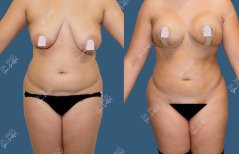
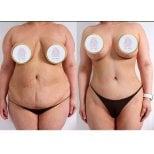
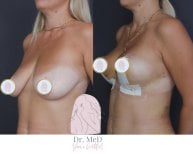
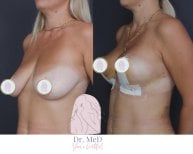
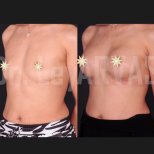
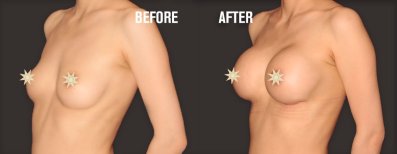
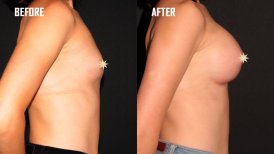
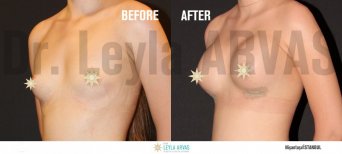
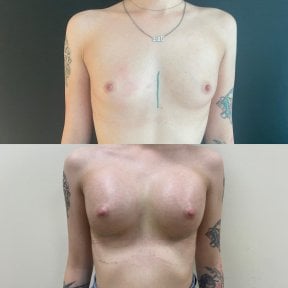
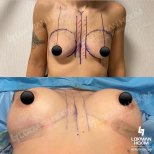
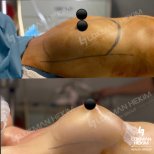
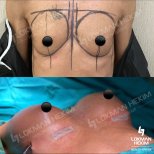
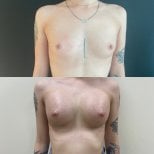
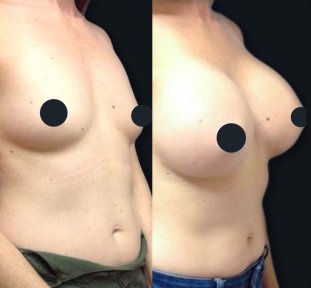
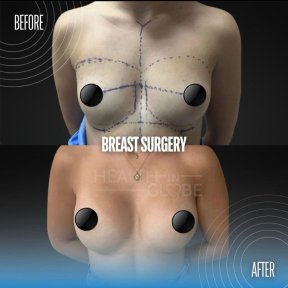
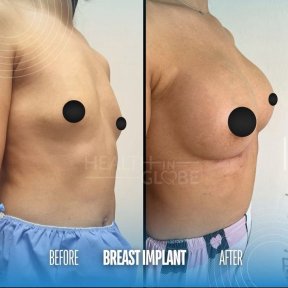
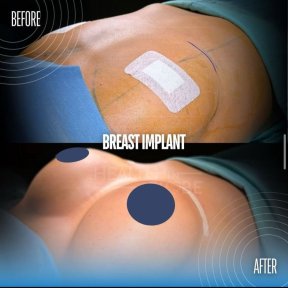
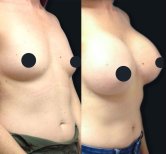
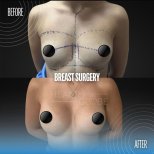
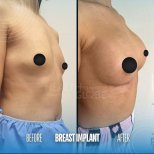
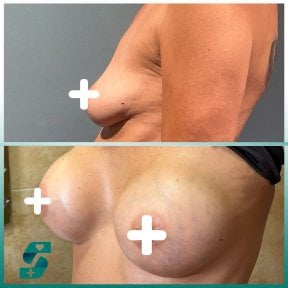
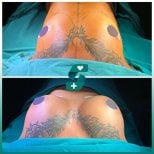
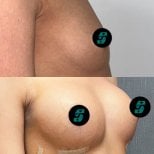
Turkey ranks among the top five destinations globally for breast augmentation – with all-inclusive packages from $3,800 to $5,500, compared to $6,500–$12,000 in the US. Whether you're considering breast augmentation or researching what a boob job in Turkey actually costs, the numbers are straightforward. A peer-reviewed study of 2,324 medical tourism patients found a 1.2% complication rate at JCI-accredited centers – roughly half the 2.6% US benchmark.
This guide covers what the research actually shows, how to choose the right implant and surgeon, and how to plan safely for the long term.
Why Patients Choose Turkey for Breast Augmentation: Cost, Quality, and What Research Shows
The savings are real, and so is the quality – at the right clinics. According to Bookimed data, breast augmentation in Turkey costs $3,800–$5,500 all-inclusive, compared to $6,500–$12,000 in the US and $6,000–$11,000 in the UK. That's a saving of 50–65% for the same FDA-approved implant brands used at home.
The largest published dataset on plastic surgery medical tourism – covering 2,324 patients and 7,141 procedures – found that complication rates at accredited facilities run at 1.2%, compared to 2.6% in the US. Patient satisfaction backs this up: 98.7% of breast augmentation patients say they would repeat the procedure.
The critical nuance: these outcomes apply specifically to JCI-accredited facilities. JCI (Joint Commission International) is the same accreditation body that evaluates US and European hospitals – it requires meeting 1,100+ measurable standards. Bookimed's Turkey network includes four JCI-accredited hospitals: Memorial Şişli Hospital (the first hospital in Turkey to earn JCI accreditation, founded 2000), Lokman Hekim Istanbul Hospital, Memorial Bahçelievler Hospital, and Memorial Antalya Hospital.
Worth knowing: Not all clinics in Turkey hold JCI accreditation. Average UK wait time for private breast augmentation is 6–12 weeks; Turkey's partner clinics typically schedule within 4–6 weeks.
Silicone, Saline, or Gummy Bear? Choosing the Right Breast Implant for Your Body
The right implant type depends on your age, body type, and priorities – not just preference. Here's what the clinical data says about each option.
Implant types at a glance
| Implant type |
FDA minimum age |
Rupture detection |
Best for |
Turkey price range |
| Silicone gel |
22+ |
MRI needed (38% of ruptures are silent – per NCBI clinical data) |
Natural feel; thin patients with limited tissue coverage |
$3,500–$5,400 |
| Saline |
18+ |
Immediately visible |
Patients who prefer simpler monitoring; ages 18–21 |
$2,800–$4,200 |
| Gummy bear (cohesive gel) |
22+ |
MRI recommended |
Patients wanting shape retention if shell is compromised |
$3,500–$5,600 |
| Motiva |
22+ (FDA approved September 2024) |
MRI recommended |
Patients prioritising natural movement; lowest complication rates in FDA core studies |
$3,800–$5,800 (est.) |
| Fat transfer |
18+ |
N/A – no implant |
Modest augmentation (1 cup size); patients avoiding implants |
$2,500–$4,200 |
Which implant suits your situation
The ASPS implant guide and clinical research point to anatomy and age as the two key decision factors:
- Age 18–21: saline is your only option – FDA silicone approval requires age 22+;
- Thin patients with limited breast tissue: silicone is preferred – it prevents rippling visible through the skin;
- Priority: natural movement and body adaptability: Motiva (newest FDA-approved option, September 2024);
- Priority: simpler long-term monitoring: saline – ruptures show immediately, no MRI needed;
- Priority: shape stability: gummy bear (form-stable cohesive gel).
On implant surfaces: A systematic review on capsular contracture found smooth implants carry 2.8x higher contracture risk than textured. However, textured implants are linked to BIA-ALCL (discussed in the safety section below). Accredited Turkish clinics primarily use smooth implants from Motiva, Mentor MemoryGel, and Natrelle – confirm the surface type with your clinic before booking.
Worth knowing: Mentor MemoryGel's lifetime warranty covers the cost of the device replacement only – not the surgical fees involved in revision. If a replacement is needed, you pay for the surgery separately. Browse silicone augmentation packages in Turkey or gummy bear implant options on Bookimed.
Under or Over the Muscle? Breast Implant Placement Explained
Where your surgeon places the implant shapes your recovery time, scar appearance, and long-term complication risk. The choice depends on how much of your own tissue is available to cover the implant.
Placement options compared
A clinical review of augmentation techniques and outcomes shows clear trade-offs between the two main approaches:
- Subpectoral (under the muscle): reduces capsular contracture risk by 65% compared to over-the-muscle placement. Standard for patients with limited breast tissue. Return to desk work averages 57 days;
- Prepectoral (over the muscle): 91% excellent scar rating vs. 65% with subpectoral. Faster recovery – return to work averages 34 days. Better suited for patients with adequate tissue coverage;
- Dual plane (hybrid): lower portion of the implant sits over the muscle; upper portion under it. Increasingly the standard technique at accredited Turkish centers, combining benefits of both approaches.
Surgeons like Dr. Gürhan Özcan – EBOPRAS-certified with 35+ years of experience and two ASPS awards – routinely perform dual-plane augmentation at Istanbul Aesthetic Plastic Surgery Center.
What to expect when you fly home
This is the part most Turkey-specific pages leave out – and it matters. Medical tourism patients fly home at Day 5–7, which is exactly when implants look their worst. Understanding this prevents unnecessary anxiety.
The process is called "drop and fluff." As documented by ASPS: immediately after surgery, implants sit high and square due to tight skin and muscle. Settling begins at weeks 4–6. By month 3–6, 90% of the settling is complete. Minor shifts continue through month 12 for larger implants.
The way your implants look when you board the flight home is not your final result. They will look higher, harder, and possibly asymmetric. This is expected – it is not a sign something went wrong. Your final result becomes visible at month 3–6.
Breast Augmentation Recovery in Turkey: Day-by-Day Timeline and Flight Safety
Turkey's all-inclusive packages are designed for international patients. Here's what to expect across your stay and after you return home.
Recovery timeline: day by day
- Day 0 (surgery): general anesthesia, 1–2 hour procedure, compression garment applied before you wake up.
- Days 1–3: peak discomfort; drain present if your surgeon uses one; assisted mobility. Most patients stay in hospital or hotel.
- Day 5: clinic check-up – drain removal if applicable, wound check, surgeon clearance assessment. Confirm this appointment is included in your specific package.
- Days 5–7: most patients are cleared for short-haul flights under 4 hours. US and Australian patients should discuss an extended stay before booking flights.
- Week 2: desk work and light driving are fine; no lifting above 1 kg.
- Weeks 4–6: drop-and-fluff begins; compression garment transitions to daytime only.
- Month 3: 90% of settling complete; most asymmetry resolved.
- Month 6–12: final result visible. Silicone implant patients: this is when your first baseline MRI is due.
ASPS recovery guidelines confirm: no swimming or strenuous exercise for 6–8 weeks. No contact sports for 8 weeks. Clinics like Dr. MED (rated 4.9/5 from 201 patient reviews) provide airport-to-hotel-to-clinic transfers throughout your stay – confirmed by multiple patient reviews.
Flight safety by destination
DVT (deep vein thrombosis) risk is elevated for 4–6 weeks after any surgery. Flying compounds this with prolonged immobility. Clinical guidelines and post-operative recovery research support a tiered approach based on your flight duration:
| Flight duration |
Applies to |
Protocol |
| Under 4 hours |
Most UK and European patients |
Graduated compression stockings (15–30 mmHg), 250ml water per hour, walk the aisle every 2 hours |
| 4–10 hours |
Some UK long-haul; Middle East |
Same as above, plus book an aisle seat and ask your surgeon about prophylactic aspirin |
| Over 10 hours |
US and Australian patients |
Minimum 10 days in Istanbul before flying – this is an evidence-based recommendation, not a preference |
Before leaving Turkey: ask your surgeon for a written clearance note that specifies your flight tier and a compression garment prescription. This also helps your local GP if you need follow-up care at home.
Complication Rates, Safety Data, and What You Should Know Before Booking
The complication numbers are clear – and they should be easy to find, not buried at the bottom of the page. Here's what the clinical data shows for breast augmentation specifically.
Known complication rates
| Complication |
Rate |
How to reduce your risk |
| Capsular contracture (scar tissue hardening) |
10.8% at 10 years (per the capsular contracture meta-analysis cited above) |
Subpectoral placement reduces risk by 65%; smooth implants preferred over textured |
| Hematoma (bleeding) |
Under 2% with modern techniques |
Choose a JCI-accredited facility with a board-certified anesthesiologist |
| Infection |
Under 2% in accredited facilities |
Follow pre-op and post-op hygiene instructions; complete the full antibiotic course |
| Nipple numbness (temporary) |
39.1% initially; persistent in 2.3% |
Discuss incision placement with your surgeon pre-operatively |
| Implant rupture |
Under 1% at 5 years per FDA device data (linked in implant table above) |
Follow MRI surveillance schedule (silicone); choose FDA-approved brands |
Over 97% of breast augmentation procedures proceed without serious complications at accredited centers. Patient satisfaction data shows 98.7% of patients would repeat the procedure – and 70–80% report outcomes they describe as perfect.
Breast Implant Illness and BIA-ALCL: what patients need to know
Two additional topics require disclosure before any patient books a breast augmentation procedure.
Breast Implant Illness (BII) refers to a range of systemic symptoms some patients report after augmentation, including fatigue (reported by 58% of affected patients), joint pain (51%), brain fog, and hair loss. The FDA has required BII disclosure on all breast implant packaging since 2021. There is no definitive diagnostic test. A 2025 systematic review found that 81.9% of patients who had their implants removed reported significant symptom improvement. If you have concerns about BII, discuss them with your surgeon at your pre-operative consultation.
Worth knowing: BIA-ALCL (a rare lymphoma) is linked specifically to textured implants. The FDA has confirmed 733 cases globally and 36 deaths – all associated with textured surfaces. Smooth implants carry negligible BIA-ALCL risk. Confirm with your clinic that they use smooth-surface implants (Motiva, Mentor MemoryGel smooth series, Natrelle smooth) before booking. For more on FDA breast implant safety data, see the FDA device page linked in the implant table above.
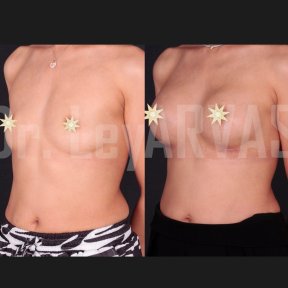
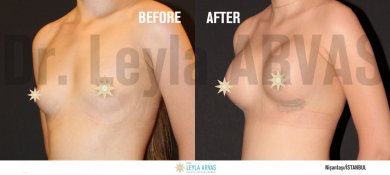
For reference: Quartz Hospital in Istanbul reports a 96.3% breast augmentation success rate and holds ISAPS accreditation. Its founder, Dr. Leyla Arvas, treats 6,500 patients annually and has trained surgeons internationally in VASER techniques. Ratings from 100 verified patients average 4.7/5.
How to Verify Your Turkish Plastic Surgeon's Credentials
Turkish plastic surgery certifications follow a hierarchy of rigor. Knowing what each means – and what Bookimed verifies on your behalf – lets you assess a surgeon's qualifications before you travel.
The recognized credential hierarchy for Turkish plastic surgeons:
- Turkish Board of Plastic, Reconstructive and Aesthetic Surgery (TPRECD): the baseline national certification. Requires completing a plastic surgery residency and passing board examinations. Every surgeon in Bookimed's partner network holds this minimum.
- ISAPS (International Society of Aesthetic Plastic Surgery): requires active membership in a national society plus international peer standing. Over 3,000 members globally.
- EBOPRAS (European Board of Plastic, Reconstructive and Aesthetic Surgery): the most rigorous European standard. Requires passing written and oral pan-European examinations – significantly harder to obtain than national certification alone.
- JCI facility accreditation: applies to the hospital or clinic, not the individual surgeon. Same accreditation body as US hospitals. The 1.2% vs. 2.6% complication advantage documented in peer-reviewed research applies specifically to JCI-accredited centers.
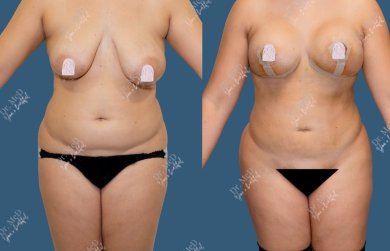
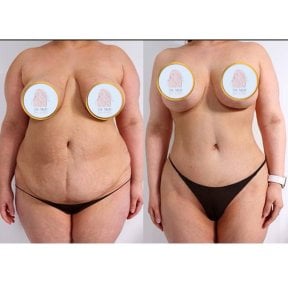
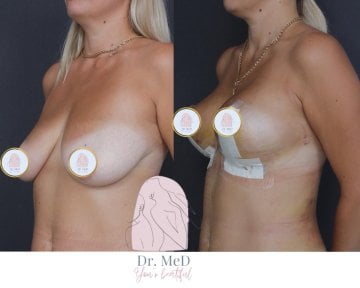
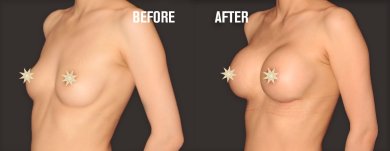
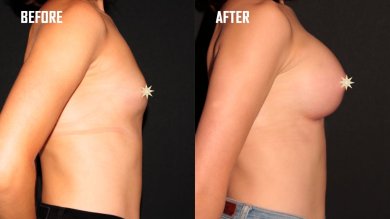
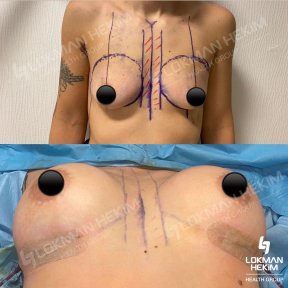
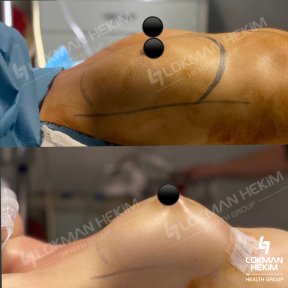
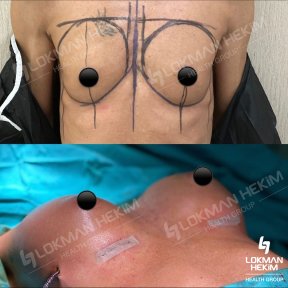
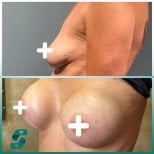
- Before-and-after portfolio review: as the ASPS recommends, review your surgeon's portfolio with cases that match your anatomy and goals. Ask about hospital privileges.
Worth knowing: All surgeons in Bookimed's partner network have board certifications verified by Bookimed's medical team before listing. You can review each surgeon's full credential profile directly on Bookimed.
Bookimed's Turkey network includes multiple EBOPRAS-certified surgeons. Dr. Cenk Shen holds ISAPS, EBOPRAS, and IPRAS membership, has 20+ years of experience, and has authored 50+ published papers on reconstructive surgery. Dr. Derya Bingol holds her EBOPRAS certificate, performs 150–200 aesthetic surgeries annually, and was named Doctor of the Year by the Turkish Ministry of Health.
Red flags to watch for: no board certification on file; clinic without JCI or equivalent accreditation; no before-and-after portfolio; package price below $3,000 (which typically cannot cover the cost of certified implant brands plus a board-certified anesthesiologist).
Life with Breast Implants: Monitoring, Replacement Timeline, and Long-Term Planning
Breast implants are not lifetime devices. Planning for the full lifespan of your implants – not just the surgery – is part of making an informed decision.
Replacement and rupture timelines
Average implant lifespan is 15–20 years. Rupture rates increase over time, and the increases are significant at the 10- and 20-year marks:
| Time since surgery |
Rupture rate range |
| 5 years |
Under 1% |
| 10 years |
5.8%–23.7% (brand-dependent) |
| 20 years |
35%–50% |
These figures come from FDA device data and are consistent across published clinical guidance on augmentation outcomes. Most patients who keep implants long-term will need at least one replacement procedure. Planning for this as part of your total cost avoids surprises later.
MRI surveillance and mammography
For silicone implants specifically, the FDA recommends your first MRI at 3 years post-surgery, then every 2 years thereafter. This is how silent ruptures – which cause no symptoms in 38% of cases – get detected. MRI scans cost $500–$1,000 in the US and $260–$520 in the UK (approximately).
Saline implants do not require MRI surveillance – ruptures are immediately visible.
For mammograms: always inform your radiologist that you have implants and request Eklund displacement views. This gives your radiologist a clear view – and it doesn't change your standard screening schedule.
20-year cost of ownership
Turkey's lower initial cost extends across the full implant lifecycle:
| Cost component |
Turkey |
UK/US equivalent |
| Initial surgery (all-inclusive) |
~$4,300 |
$6,000–$12,000 |
| MRI surveillance (5 scans over 10 years) |
$2,500–$5,000 (at US/UK rates) |
$2,500–$5,000 |
| One replacement surgery |
$3,000–$5,000 in Turkey |
$7,000–$15,000 |
| 20-year total estimate |
$10,000–$14,500 |
$15,500–$32,000 |
Bookimed's 2-year surgical guarantee covers complications that require revision during the initial post-operative period. It does not cover elective changes or normal device wear over time.
For long-term follow-up infrastructure, Memorial Şişli Hospital – Turkey's first JCI-accredited hospital, with 252 beds and 92 departments – offers the kind of specialist infrastructure that supports both the initial procedure and ongoing monitoring.