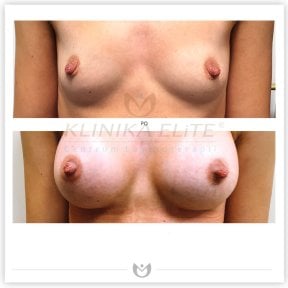
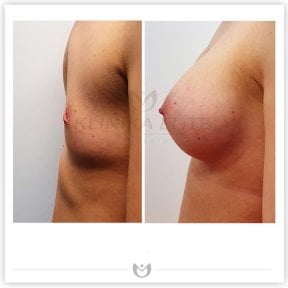
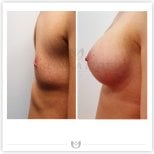
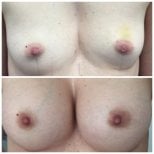
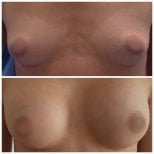
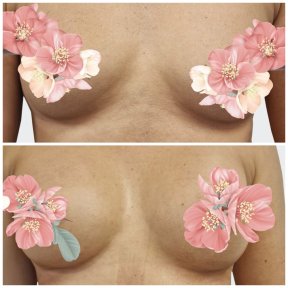
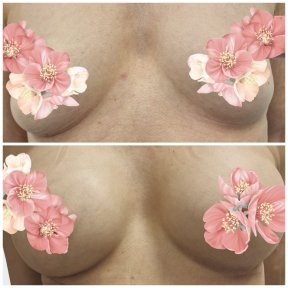
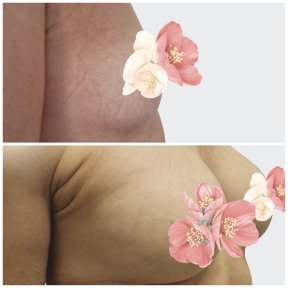
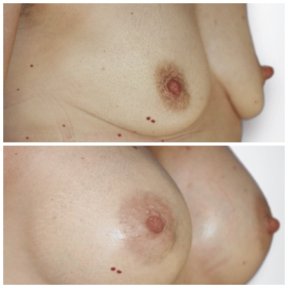
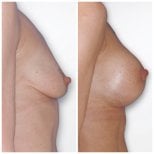
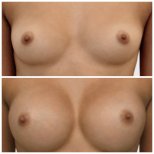
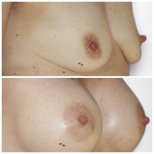
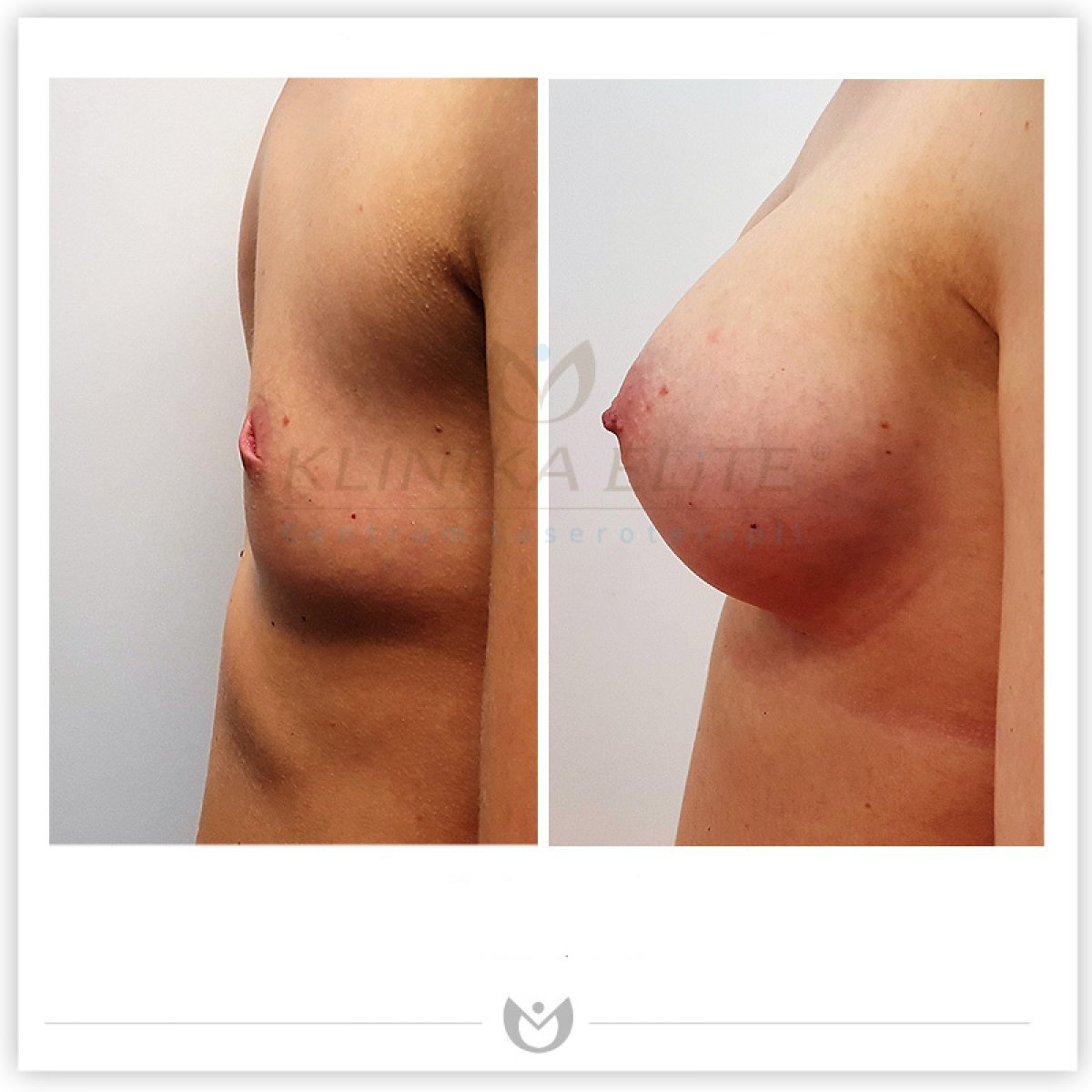
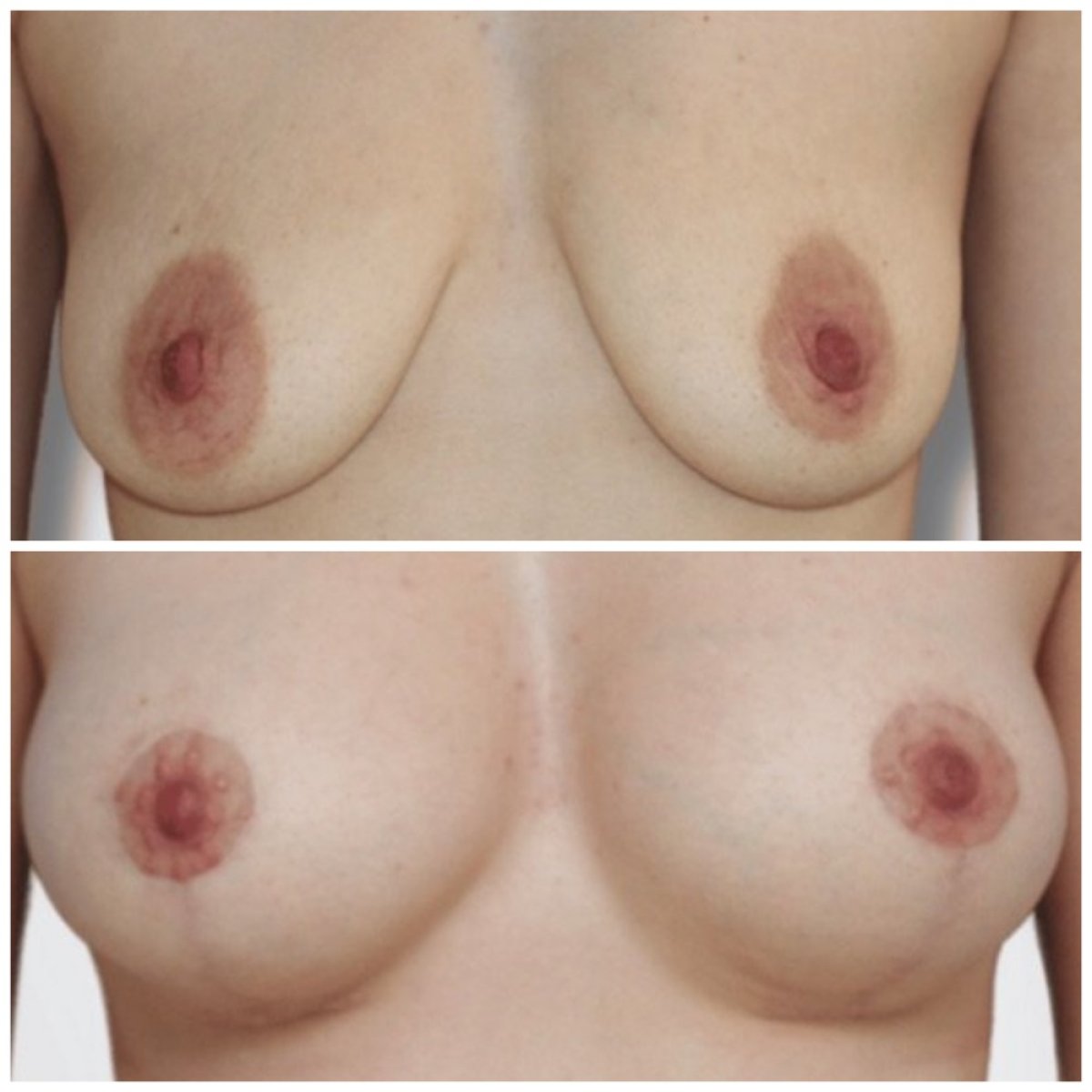
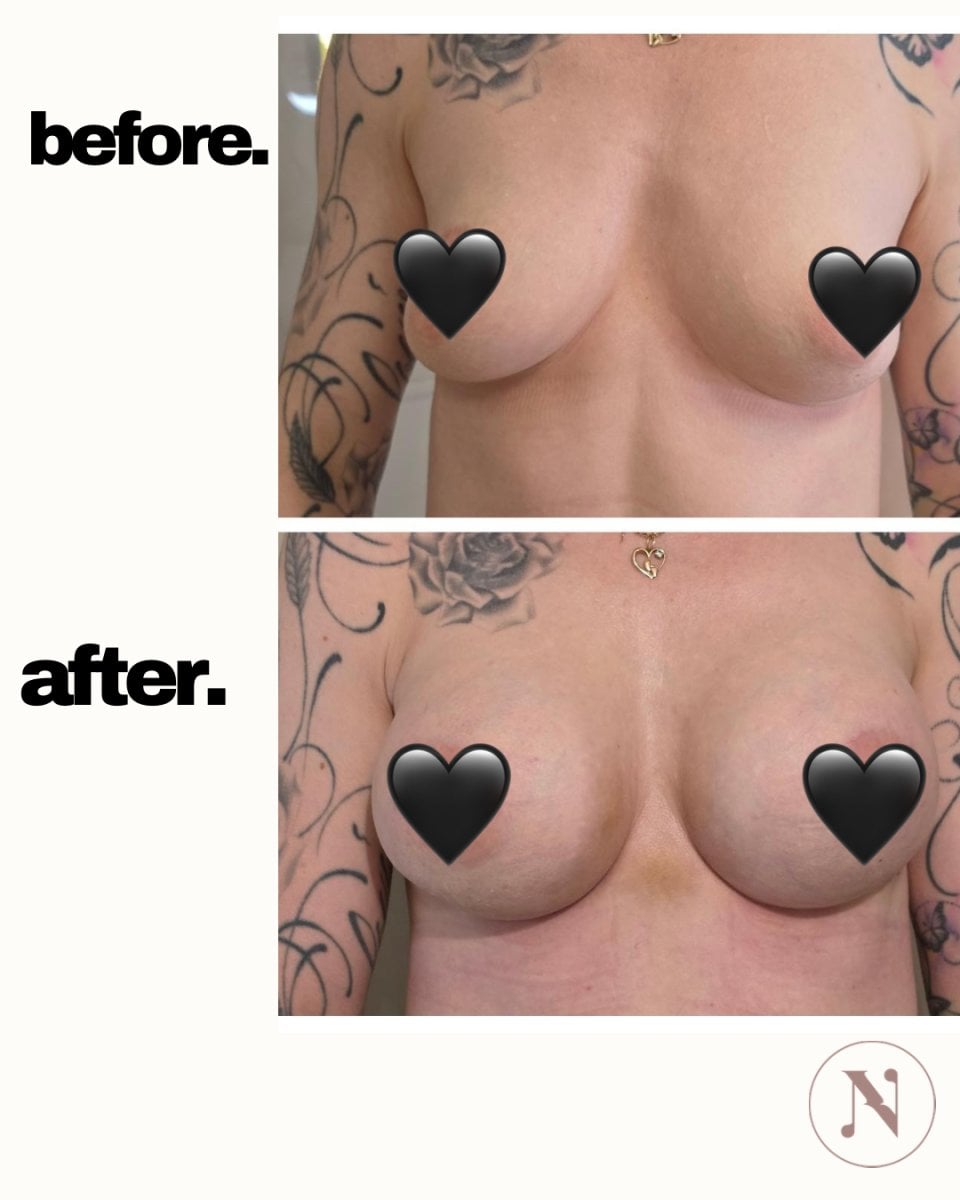
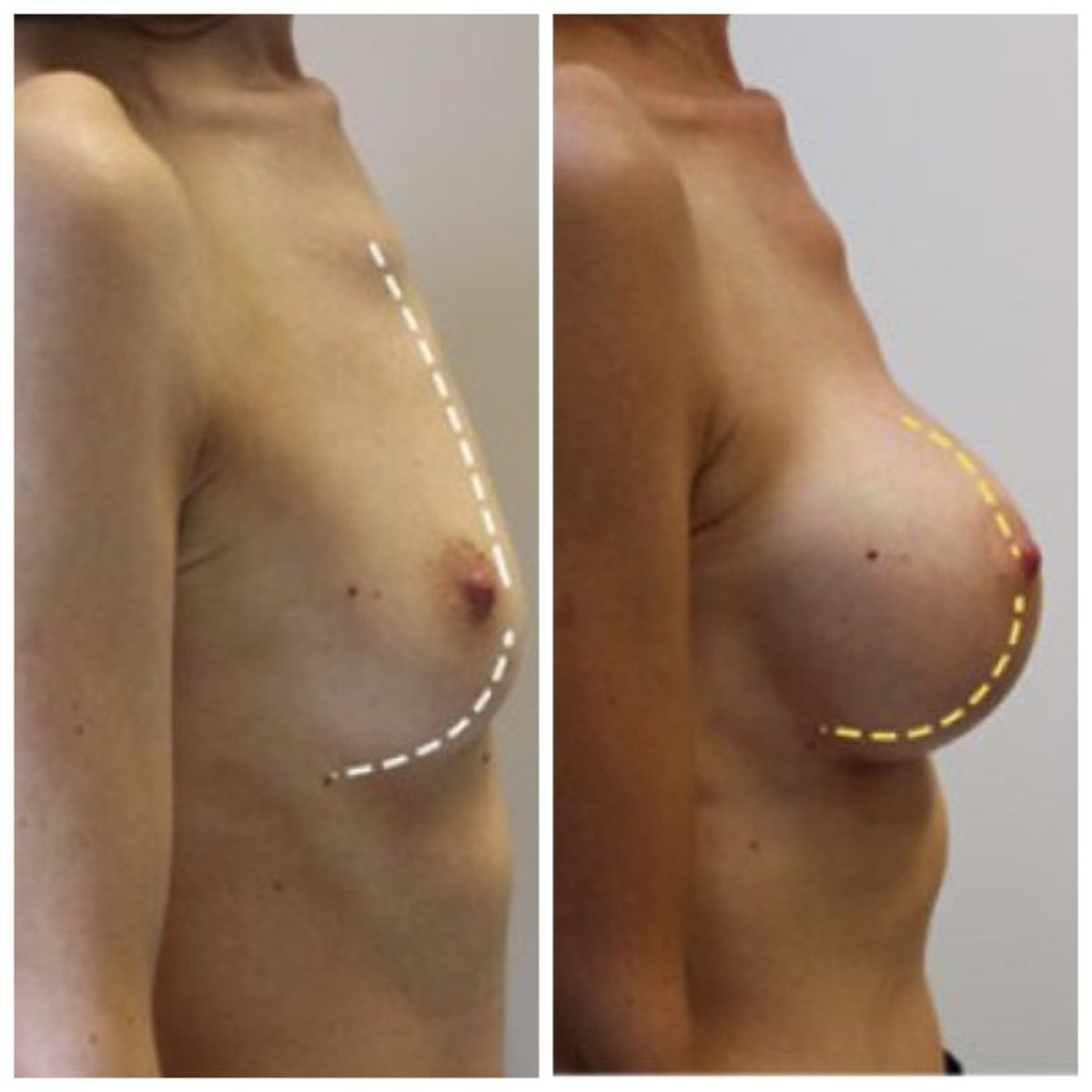
Elite Clinic has provided aesthetic medicine in Warsaw for over 25 years. Breast augmentation typically costs around $6,300–$6,600. This price generally includes the surgery, general anesthesia, and a 2-night hospital stay. Patients can choose between silicone gel or saline implants in round or anatomical shapes. Silicone options offer a natural feel and last up to 20 years. The medical team performs the procedure in 2 hours, with most pain resolving after 7 days.
How it works
How Much Does Breast augmentation Cost in Poland?
Breast augmentation in Poland typically costs from $2,800 to $6,800. Final prices depend on implant material, shape, and the clinic location in cities like Warsaw or Krakow. Most Polish clinic packages include the surgical fee, anesthesia, implants, hospital stay, and compression garments.
- Breast augmentation with silicone implants: $5,500 to $5,600.
- Breast augmentation with saline implants: $3,600 to $5,400.
- Breast augmentation with tear drop implants: $6,000 to $6,300.
- Breast augmentation with fat transfer: $4,800 to $7,500.
- Regional variations: Packages in Warsaw often cost 15-20% more than in smaller hubs like Jelenia Gora.
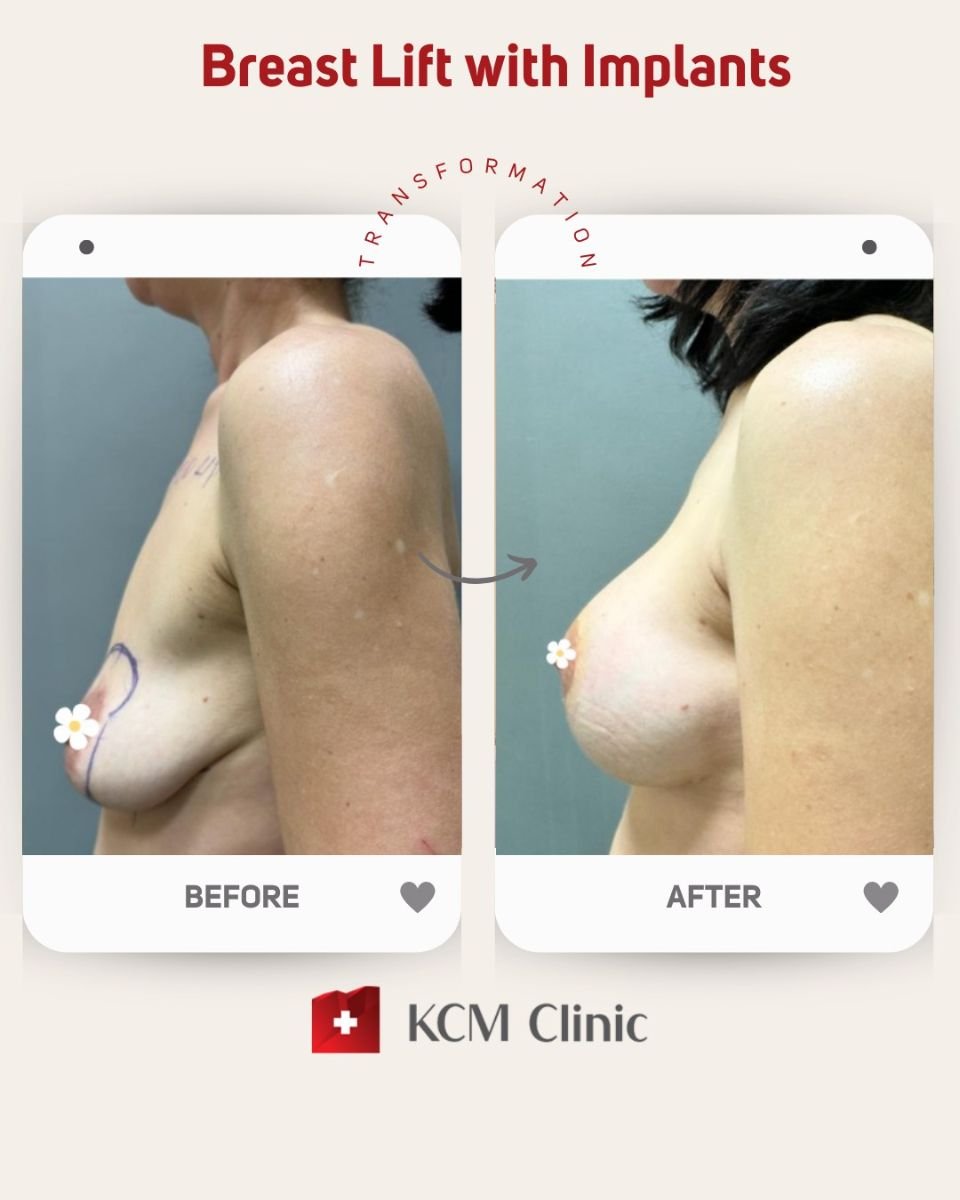
Bookimed Expert Insight: Poland offers a balance of ISO-standard quality and logistical value. Clinics like KCM Clinic specifically design packages for international patients. These often include airport transfers and hotel stays to simplify the process. Since surgical fees are lower, patients can often afford premium anatomical implants for the same price as standard rounds in other countries.
53% lower than the US starting price, comparing the lowest listed prices for this procedure.
| Poland | Turkey | The USA | |
|---|---|---|---|
| Breast augmentation | from $2,800 | from $2,000 | from $6,000 |
| Breast Augmentation with Tear Drop Implants | from $6,000 | from $3,000 | ≈ $7,000 |
| Breast Augmentation with Silicone Implants | from $5,500 | from $3,500 | ≈ $6,500 |
| Breast Augmentation with Saline Implants | ≈ $3,600 | from $4,900 | ≈ $6,500 |
| Breast Augmentation with Gummy Bear Implants | ≈ $3,900 | from $3,500 | ≈ $7,500 |
Discover the Best Breast augmentation Clinics in Poland: 6 Verified Options and Prices
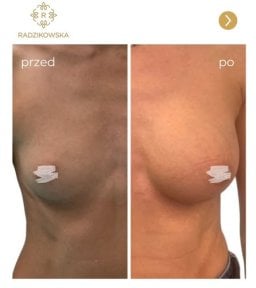
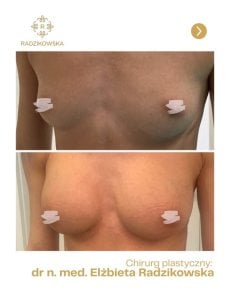
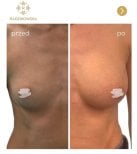
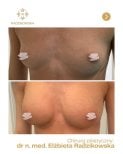
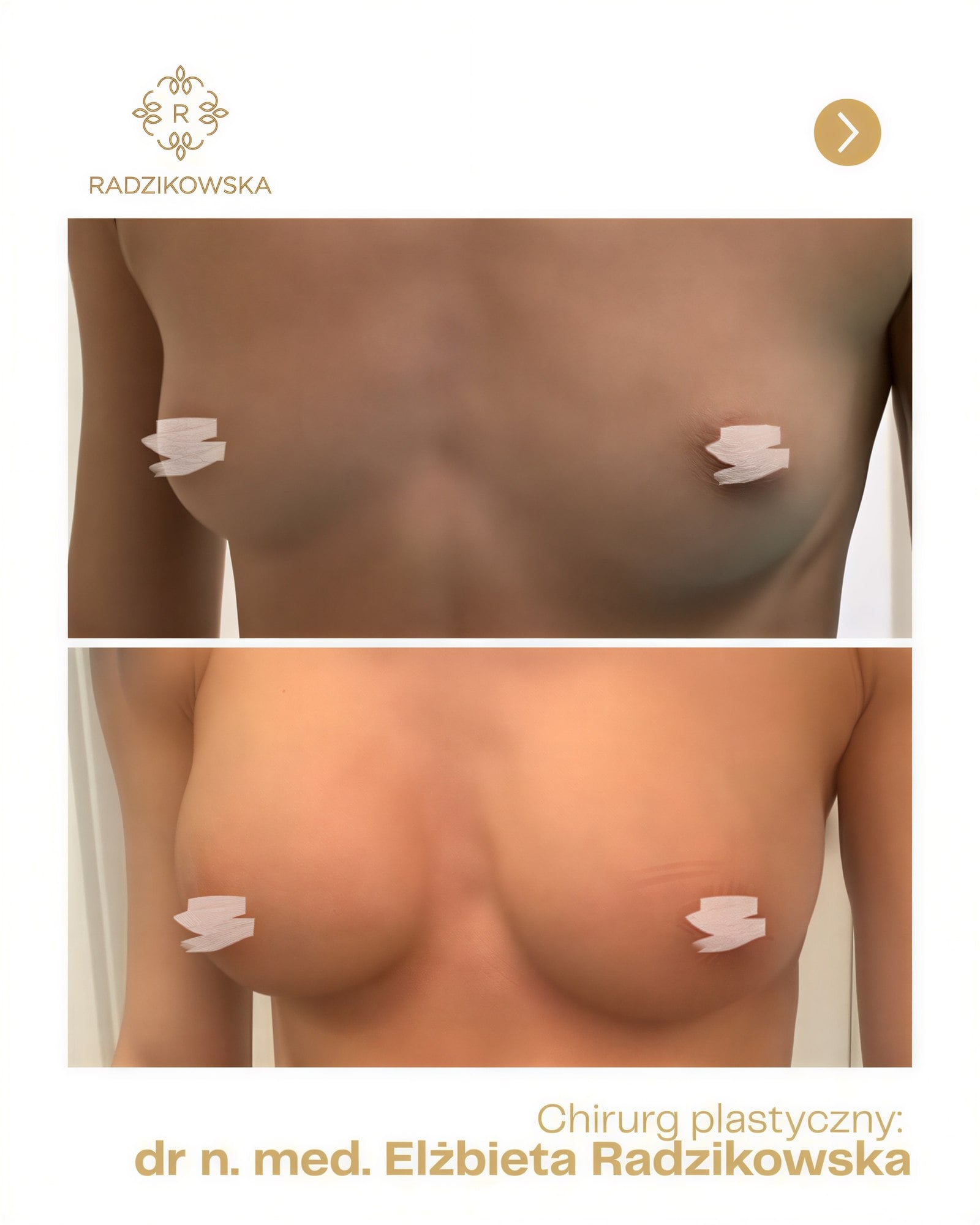
Radzikowska Plastic Surgery Clinic offers personalized results using either round or anatomic implants. Surgery at the Warsaw facility typically runs around $6,600. This price generally covers the procedure at the Carolina Medical Center and a 1-night hospital stay. Surgeons place implants under the gland or muscle to achieve the desired projection. Recovery is efficient, with most patients returning to physical activity in about 2 weeks. The clinic provides post-op care, including a special bra and scheduled follow-up visits.

Breast augmentation at WILMED Medical Clinic in Warsaw, Poland, provides a tailored approach to body contouring using silicone implants. The procedure typically runs around $5,800, while surgery combined with a lift may cost around $6,600. The clinic is accredited by the International Society of Aesthetic Plastic Surgery (ISAPS) and maintains a 4.5 rating based on 80+ reviews.
Customized Surgical Methods
Surgeons at the clinic offer several options to help patients reach their aesthetic goals. The implants can be placed under the muscle or over the pectoral muscle. This choice depends on the patient's existing breast tissue and desired look. The surgery lasts about 1.5 hours under general anesthesia.
Incision placement is also tailored to minimize visible scarring. Patients can choose from three main techniques:
- Inframammary fold, where the incision is hidden in the crease under the breast.
- Axillary, which places the incision in the armpit area.
- Periareolar, where the incision is made around the edge of the nipple.
Specialized Care and Recovery
Dr. Piotr Ciszewski and Dr. Aleksandra Starościak lead the surgical team. Dr. Ciszewski focuses on aesthetic surgery, while Dr. Starościak specializes in breast ultrasound and general surgery. This combined expertise helps in both the planning and safety of the procedure.
Patients usually leave the clinic on the same day as the surgery. The recovery process involves managing pain and using cold compresses to reduce swelling. It is important to limit arm movement for about 2 to 3 months. The final results become visible after this period once the tissue has fully healed.
Long-Term Safety and Warranty
The clinic uses silicone implants that come with a lifetime manufacturer warranty. These implants do not prevent future breastfeeding or interfere with regular mammography screenings. Additionally, having these implants is not a contraindication for a future pregnancy. Before the surgery, patients receive a medical consultation and assistance with implant selection.
The initial price covers the surgery, anesthesia, and a free online consultation. Please note that the cost of the physical implants is typically billed separately from the surgical fee. To get a personalized plan, you may leave a request on Bookimed.
Klinika Promedion uses the Vectra 3D imaging system to show realistic results before the surgery begins. This Warsaw clinic features three modern operating rooms and offers both round and anatomical implants to suit different needs. Patients typically return to their daily routines after 2–3 weeks. The medical team provides clear recovery steps, such as avoiding heavy lifting and limiting arm movement for 6 weeks. This focus on post-op care helps maintain safety and achieve the best possible outcomes.

Polytech implants come with a lifetime warranty, and the Implants of Excellence program includes annual check-ups. Breast augmentation may cost around $3,500; the listed price does not specify what it covers. Noa Clinic in Wrocław offers 24-hour medical supervision during the stay, with nursing care and follow-up visits. Its team can select implant shape, size, and gel firmness based on chest anatomy and individual expectations.
Breast augmentation in Poland: Your Travel Plan
Day 1: Arrival in Poland
- You will arrive in Poland in the late afternoon. Check into your hotel and rest after your journey to prepare for the upcoming procedure.
- Ensure you have all necessary documents and personal items for your stay.
- Contact the clinic to confirm your arrival and address any immediate questions or concerns.
Day 2: Pre-operation Consultations and Surgery
- You should attend pre-operation consultations at the clinic. This includes a review of your medical history and a discussion about the procedure.
- Undergo extensive pre-surgery diagnostics. These may include blood tests, cardiac assessments, X-ray, EKG, and an ultrasound. These tests ensure you are fit for surgery.
- Meet with your plastic surgeon to finalize the details of your breast augmentation. Confirm the type of implants, such as MENTOR round silicone implants. Discuss any additional procedures like a breast lift or nipple correction if recommended.
- Undergo the breast augmentation surgery under general anesthesia. The procedure typically lasts a few hours.
- Stay overnight in the clinic in a private room for proper post-operative care and monitoring.
Day 3: Post-Surgery Care and Discharge
- You will receive post-operative care and medication to manage pain and prevent infection.
- Consult with your surgeon for a post-surgery check-up. This will assess the initial results and address any concerns.
- Get discharged from the clinic and return to your hotel. Rest and avoid strenuous activities.
- Ensure you have all necessary medications and understand the post-operative care instructions provided by the clinic.
Day 4: Rest and Nurse Visit
- Spend the day resting at your hotel. Avoid any physical exertion to aid in the healing process.
- A nurse will visit you to change dressings and check on your recovery progress.
- Maintain a healthy diet and stay hydrated to support your body’s healing process.
Day 5: Follow-up Consultation and Departure
- Attend a follow-up consultation at the clinic. The surgeon will evaluate your recovery and ensure the implants are settling correctly.
- Discuss any concerns or questions you may have about your recovery or the results.
- Receive final instructions for post-operative care once you return home. This includes activity restrictions and when to schedule further follow-up appointments.
- Prepare for your departure. Ensure you have all necessary documentation from the clinic regarding your procedure and recovery.
- Return home, adhering to the post-operative care guidelines provided by the clinic for optimal recovery.
Bookimed, a leading global medical tourism platform, is committed to helping clients looking for Breast augmentation in Poland by offering expert assistance and trustworthy medical solutions for every situation. Smart automatic ranking system is used to compose transparent clinic listings, meticulously maintained by a data scientist using AI for accuracy. The platform guarantees authenticity by publishing reviews from real patients after their treatments. Bookimed offers comprehensive medical solutions, with updates from clinics to ensure trustworthiness. The content about Breast augmentation in Poland, crafted by experienced medical authors and reviewed by specialists, adheres to Bookimed"s Editorial Guidelines, reflecting the platform"s commitment to delivering high-quality and clear health information. For more details or inquiries, feel free to contact us at marketing@bookimed.com or learn more about us and our mission About Bookimed .
Our Trusted Doctors
View all Doctors
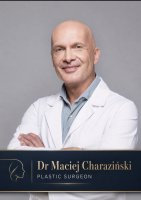
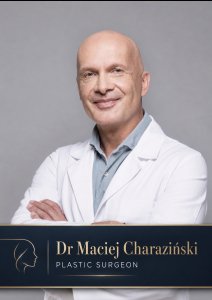
Maciej Charazinski
Dr. Maciej Charazinski is a plastic surgeon at Klinika Promedion in Warsaw. He is a member of the International Confederation for Plastic Reconstructive and Aesthetic Surgery. Dr. Charazinski focuses on complex facial and body contouring procedures. He previously served as the Medical Director and Head of the Medical Team at Uni Klinik.
- Specializes in deep plane facelifts, rhinoplasty, and breast surgery.
- Authored or co-authored numerous scientific papers on aesthetic and reconstructive surgery.
- Maintains membership in the Polish Society of Plastic, Reconstructive and Aesthetic Surgery.
- Operates at Klinika Promedion, which treats approximately 1,000 patients every year.

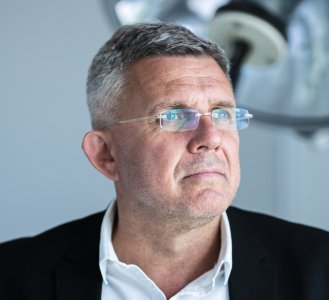
Elzbieta Radzikowska-buchner

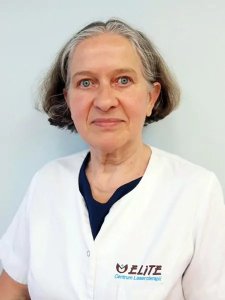
Zukowska Dorota
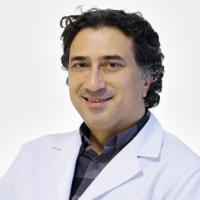
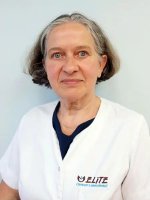
Dr. Zukowska Dorota is a plastic surgeon at Elite Clinic in Warsaw. She holds rare dual second-degree specializations in both pediatric and plastic surgery. Dr. Zukowska earned her doctorate from the Medical University of Lodz. She treats aesthetic concerns through both surgical and non-surgical methods.
- Specializes in facial procedures including rhinoplasty and otoplasty.
- Performs upper and lower eyelid blepharoplasty for rejuvenation.
- Expert in aesthetic medicine and corrective ear surgery.
- Practices at Elite Clinic, a facility operating in Warsaw since 1999.

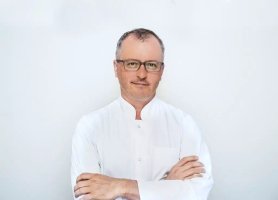
Piotr Ciszewski
Video Stories from Bookimed Patients
Reviews about Bookimed: Discover Patients' Insights
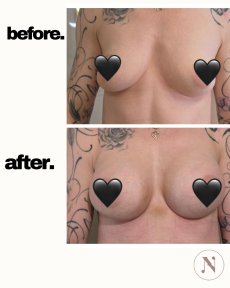
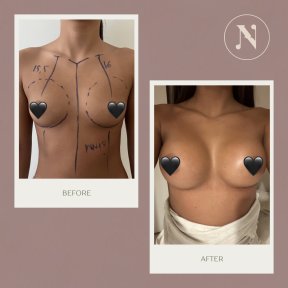
All reviewsBreast augmentation: Before & after photos
View all


Related Articles

Breast Augmentation in Thailand: Cost, Bangkok Clinics, Packages
Written by Olena Sikoza

5 Best Places to Get Cheap Breast Implants in 2026
Written by Anna Leonova

Alanna's Breast Augmentation Journey with Tear Drop Implants: A New Chapter in Confidence
Written by Kateryna Zamkovska

Alona's Path to Renewal: Breast Augmentation Experience Post-Baby
Written by Kateryna Zamkovska

How Much Do Breast Implants Cost in 2025?
Written by Anna Leonova
Share this content
Anna Leonova
Our Breast augmentation Techniques: What Suits You Best?
When considering Breast augmentation, it’s important to understand the different techniques and which is best suited for you. Here’s a concise comparison of popular options:

Breast Augmentation with Fat Transfer
This breast enhancement method involves transferring fat from other body areas to the breasts to increase volume.
FAQ about Breast augmentation in Poland
Is it safe to have breast augmentation in Poland?
Breast augmentation in Poland is safe because clinics strictly follow European Union medical standards. Registered facilities use FDA-approved implants within JCI or ISO-certified environments. Polish board-certified surgeons often hold international credentials from boards like EBOPRAS, ensuring surgical precision and low infection rates for global patients.
- Regulatory compliance: Clinics adhere to strict EU hygiene and patient care protocols.
- Surgeon qualifications: Doctors hold diplomas from the Polish Society of Plastic Surgery.
- Certified materials: Only high-quality silicone or saline products from global brands are used.
- Language accessibility: Medical teams in major hubs like Warsaw provide fluent English communication.

Bookimed Expert Insight: Poland offers a high-security environment because 86 clinics compete on medical quality rather than just price. Top-tier centers like KCM Clinic serve 2,500 patients annually from the UK and Germany. These high-volume centers often provide specialized package programs that bundle surgery with specific post-operative care items.
Patient Consensus: Patients value the attentive nursing care and clean facilities but emphasize the importance of securing clear post-operative communication. Many recommend confirming your direct surgeon contact or follow-up schedule before traveling home.
What qualifications should my plastic surgeon in Poland have?
Qualified plastic surgeons in Poland must hold the title Specialist in Plastic Surgery (specjalista chirurgii plastycznej) after a 6-year residency. They must be registered with the Supreme Medical Council (NIL) and ideally hold membership in the Polish Society of Plastic, Reconstructive, and Aesthetic Surgery (PTChPRiE).
- Medical licensure: Every surgeon must have a valid license number in the Polish Medical Chamber registry.
- Specialty training: Surgeons require 6 years of specialized training beyond their general medical degree.
- International standards: Membership in ISAPS or EBOPRAS confirms adherence to global safety and ethical protocols.
- Facility accreditation: Top clinics like KCM Clinic maintain ISO certifications for quality and safety.
Bookimed Expert Insight: Patient data shows a clear quality gap between general aesthetic doctors and board-certified specialists. Leading surgeons like Dr. Artur Sandelewski at San-Medical hold multiple postgraduate certifications in aesthetic medicine beyond their surgical degrees. We recommend choosing doctors who maintain active memberships in both national (PTChPRiE) and international societies to ensure they use the latest surgical techniques.
Patient Consensus: Patients value surgeons who listen carefully to their aesthetic goals and provide attentive nursing care during the initial 24-hour hospital stay. Many recommend verifying that an English-speaking coordinator is available to bridge any communication gaps with medical staff.
Which implant brands are used in Polish clinics?
Polish plastic surgery clinics primarily utilize internationally recognized breast implant brands including Motiva, Mentor, Sebbin, and Polytech. These manufacturers provide high-grade silicone and saline options that meet strict European Union safety standards, ensuring patients receive durable, biocompatible devices with global warranties.
- Premium brands: Motiva and Mentor are most frequently requested for their advanced ergonomic designs.
- Specialized surfaces: Sebbin and Polytech offer textured models designed to provide stable, natural-looking projection.
- Safety standards: Most utilized brands carry CE marking and follow rigorous ISO international quality standards.
- Patient choices: Surgeons also offer Establishment Labs and Allergan/Natrelle depending on specific patient goals.
Bookimed Expert Insight: While many clinics like KCM Clinic offer multiple brands, Motiva has become the dominant choice in Poland. Our data shows surgeons prefer its Ergonomix line because it mimics natural breast tissue movement. Interestingly, clinics often bundle the cost of these premium implants into all-inclusive packages, making high-end brands more accessible than in the US.
Patient Consensus: Patients often praise Motiva for its natural feel and low complication rates. Many suggest asking for brand warranty documentation and verifying EU certifications directly with the clinic before surgery.
How long is the recovery period after breast augmentation?
Full recovery after breast augmentation in Poland typically takes 6 to 8 weeks. Most patients return to desk jobs within 7 days. While initial swelling subsides quickly, final results and complete tissue settling often require 3 to 6 months for most individuals.
- First week: Return to light daily activities and non-physical work is usually possible.
- Exercise timeline: Avoid strenuous lifting or intensive cardio for at least 6 weeks.
- Surgical support: Wear a specialized compression bra 24/7 for the first month.
- Implant settling: Final results appear after the drop and fluff phase at month 6.
Bookimed Expert Insight: KCM Clinic in Poland emphasizes specialized aftercare programs for their 700+ annual international patients. These programs prioritize ISO-certified safety protocols to streamline the healing process. Selecting clinics with high surgical volumes often ensures more predictable recovery timelines due to refined techniques.
Patient Consensus: Many patients describe the first 3 days as the most uncomfortable phase. They emphasize that following compression garment instructions is vital for comfortable movement and reducing tightness.
Will I still be able to breastfeed after getting implants?
Most women successfully breastfeed after breast augmentation in Poland. Polish surgeons use advanced dual-plane and submuscular techniques to keep milk ducts and nerves intact. While some may experience reduced supply, research confirms that silicone and saline implants do not contaminate breast milk.
- Incision choice: Inframammary or axillary incisions protect milk ducts better than periareolar cuts.
- Implant placement: Submuscular or dual-plane placement minimizes pressure on sensitive milk-producing glands.
- Nerve preservation: Keeping nipple sensation intact is vital for the let-down reflex during nursing.
- Success rates: Approximately 82% of patients with submuscular implants breastfeed without major complications.
Bookimed Expert Insight: While many focus on placement, the incision site is actually the deciding factor. Polish specialists at clinics like KCM Clinic often recommend inframammary incisions because they completely bypass the glandular tissue. This approach statistically offers the highest probability of maintaining a full milk supply for future pregnancies.
Patient Consensus: Many patients find that waiting at least 1 year after surgery allows tissues to heal fully before nursing. While most breastfeed successfully, some advise keeping formula ready just in case a top-up is needed.
Do I need to massage my implants after surgery?
Whether you need to massage your implants in Poland depends on the specific implant type and your surgeon's protocol. Massaging is often omitted for textured or ergonomic implants like Motiva to ensure they adhere correctly, while smooth implants may require it to prevent capsular contracture.
- Pocket maintenance: Gentle massage keeps the surgical pocket open and prevents scar tissue tightening.
- Implant type: Smooth and saline implants often require movement; textured varieties usually do not.
- Wait time: Never start before incisions heal, typically waiting 7 to 14 days.
- Technique frequency: Standard protocols involve 3 daily sessions for 10 to 15 minutes each.
Bookimed Expert Insight: Polish clinics often utilize advanced implants like Motiva, where the trend is away from traditional massaging. Data shows that `no-massage` protocols for submuscular placements frequently result in fewer revisions than older, more aggressive massage techniques. Always verify your specific implant brand before beginning any movement.
Patient Consensus: Patients sharing their experiences in Warsaw and Krakow report that skipping massage for nanotextured implants leads to soft, natural results after 2 years. They emphasize that over-massaging too early can cause implants to shift out of place.
Which cities in Poland are best known for high-quality breast augmentation clinics?
Warsaw, Wroclaw, and Jelenia Gora are the primary hubs for breast augmentation in Poland. These cities host facilities with ISO 9001 certifications and clinics collaborating with international healthcare institutions to maintain safety. Patients choose these locations for advanced silicone or saline implant technology and specialized techniques.
- Warsaw: The capital offers the highest density of English-speaking coordinators and ISO-certified clinics.
- Jelenia Gora: Home to KCM Clinic, which follows high safety standards and serves 700+ yearly internationals.
- Wroclaw: A surgery center featuring clinics like Coramed and Prestige Skin Clinic for medical tourists.
- Krakow: A major destination where clinics like Surgery in Poland treat approximately 20,000 patients annually.
Bookimed Expert Insight: While Warsaw is the primary medical gateway, Jelenia Gora actually attracts higher volumes of international patients specifically for plastic surgery. KCM Clinic in Jelenia Gora is located 90 km from Wroclaw but handles 700+ foreign patients yearly. This suggests that specialized destination clinics often offer more robust international support structures than general clinics in the capital.
Patient Consensus: Patients recommend choosing a surgeon based on their specific portfolio rather than the city alone. Most emphasize confirming aftercare protocols and revision policies in writing, as these services vary between different providers.
Is neurosurgery in Poland of high quality?
Neurosurgery in Poland offers high-quality care through JCI and ISO-certified facilities. Polish neurosurgeons follow rigorous European Union training standards. Many hold fellowships from the US or Germany. Advanced technologies like CyberKnife, Gamma Knife, and robotic systems are widely available in private centers.
- Specialized credentials: Doctors often hold memberships in the European Association of Neurosurgical Societies.
- Advanced technology: Clinics utilize CyberKnife and MR-guided focused ultrasound for non-invasive brain treatments.
- Clinical volume: Top centers like University Hospital in Krakow treat 455,000+ patients annually.
- Expert surgeons: Dr. Maciej Bujko at Carolina Hospital has performed 2,500+ surgeries independently.
Bookimed Expert Insight: Data shows a strong correlation between clinic specializations and patient origins. KCM Clinic serves 700+ international patients yearly. It focuses heavily on minimally invasive spine surgery. This volume allows them to offer specialized packages. These often include diagnostic blocks and specific implants like the Medtronic DIAM.
Patient Consensus: Patients note that Polish surgeons are highly attentive and detailed during consultations. Some mention that while the surgery itself is world-class, it is helpful to use a translation app for smoother communication with all hospital staff.
What are the qualifications of Polish neurosurgeons?
Polish neurosurgeons are highly qualified specialists who complete at least 13 years of rigorous medical training. This includes a 6-year medical degree, a 13-month internship, and a 6-year residency. They must pass the State Specialization Examination (PES) and often hold European Association of Neurosurgical Societies (EANS) certification.
- Education: Doctors earn a medical degree (Lekarz) after 6 years of university study.
- Specialization: Residency involves 6 years of modular training in clinical neurosurgery and neuroradiology.
- Surgical volume: Residents often complete 1,000+ cases, exceeding average training volumes in other regions.
- Certifications: Many specialists maintain memberships in AO Spine or the Polish Society of Spine Surgery.
Bookimed Expert Insight: Data shows Polish neurosurgeons often specialize in niche technologies like the ApiFix system or SED-YESS lumbar endoscopy. Specialists like Dr. Stanislaw Kwiek at KCM Clinic combine postdoctoral research with active surgical practice. This blend of academic depth and high procedure volumes makes them particularly effective for complex, minimally invasive spine revisions.
Patient Consensus: Patients value doctors who provide detailed explanations and answer all questions during consultations. While medical expertise is high, patients recommend confirming all payment terms and package inclusions in writing before traveling.
Which are the best hospitals for neurosurgery in Poland?
The best hospitals for neurosurgery in Poland include Carolina Hospital, KCM Clinic, and top academic centers like the University Hospital in Krakow. These facilities offer advanced spinal and brain treatments, featuring ISO-certified quality standards and specialists with international memberships in organizations like AO Spine.
- Carolina Hospital: A FIFA Medical Centre of Excellence specializing in complex minimally invasive spinal surgery.
- KCM Clinic: Internationally recognized for endoscopic spine procedures, serving over 700 foreign patients annually.
- University Hospital Krakow: A major multidisciplinary hub performing 800+ neurosurgical treatments yearly since 1788.
- Luxmed: A prominent private Warsaw facility focused on modern spinal surgery for international patients.
Bookimed Expert Insight: While many search for the largest hospitals, data shows that clinics like Carolina Hospital offer superior efficiency for elective cases. Having 40+ specialized doctors in a 30-bed facility ensures a much higher doctor-to-patient ratio than public university centers. This translates to more attentive postoperative care and significantly faster scheduling for procedures like herniated disc repairs.
Patient Consensus: Patients note that while public university hospitals excel at complex brain tumors, private clinics are preferred for spine work due to shorter wait times and better English-speaking support. Many advise confirming the surgeon's specific case volume through professional society listings before booking.
What are the most common neurosurgical procedures performed in Poland?
Neurosurgery in Poland is dominated by spinal procedures and brain tumor removals. Hospitals frequently perform microdiscectomies, spinal fusions, and deep brain stimulation. Centers like Carolina Hospital and KCM Clinic utilize minimally invasive techniques to treat herniated discs, spinal injuries, and complex neurological disorders.
- Spinal surgery: Discectomies and laminectomies are common for treating herniated discs.
- Neuro-oncology: Specialists perform brain tumor surgeries using advanced equipment like CyberKnife technology.
- Functional neurosurgery: Deep brain stimulation (DBS) is widely used for movement disorders.
- Minimally invasive: Surgeons use endoscopic methods for spinal decompression and pituitary tumors.
Bookimed Expert Insight: Poland has become a hub for specialized spinal stabilization. Clinics like Carolina Hospital partner with national sports teams, reflecting high expertise in complex spinal trauma. Our data shows these facilities often integrate rehabilitation directly into the surgical package. This combination reduces the risk of post-operative issues and speeds up patient recovery.
Patient Consensus: Patients note that private clinics offer much faster access for elective spine surgery compared to public options. Many recommend confirming the availability of English-speaking staff and planning for a short hospital stay followed by intensive physical therapy.
Is neurological rehabilitation available?
Neurological rehabilitation is widely available in Poland through specialized centers and multidisciplinary hospitals. Programs cover recovery for stroke, spinal cord injuries, and degenerative diseases. Facilities like Carolina Hospital in Warsaw and KCM Clinic provide physician-supervised therapy. Most neurosurgical packages include initial post-operative rehabilitation assessments.
- Available therapies: Programs include neuro-physiotherapy, occupational therapy, and speech-language pathology.
- Leading facilities: Carolina Hospital and Medical Centre ENEL-MED in Warsaw offer rehabilitation.
- Expert staff: Specialized neuro-physiotherapists work alongside neurosurgeons to create personalized plans.
- Treatment scope: Rehabilitation addresses mobility, balance, and cognitive functions after complex surgeries.
Bookimed Expert Insight: Data shows that clinics with high international patient volumes, like KCM Clinic, often bundle basic rehabilitation into their surgical packages. This is a significant advantage because separate neuro-rehabilitation in Poland can be difficult to coordinate independently. Choosing a clinic that provides an on-site rehabilitator ensures your recovery starts within 24 hours of surgery, which is vital for nerve regeneration.
Patient Consensus: Patients note that while major hospitals provide initial mobility checks, finding specialized speech or cognitive therapy often requires moving to a private center. Many recommend confirming a specific rehab plan with the neurosurgeon before traveling to ensure seamless care.
Who are the top neurosurgeons in Poland?
Top neurosurgeons in Poland include Dr. Jurij Kseniuk and Dr. Maciej Bujko at Carolina Hospital in Warsaw. These specialists focus on minimally invasive spine surgery and endoscopic techniques. They hold international certifications and memberships in the Polish Society of Spine Surgery and EUROSPINE.
- Dr. Jurij Kseniuk: Expert in endoscopic spine surgery at Carolina Hospital. Two-time international Vexim competition winner.
- Dr. Maciej Bujko: International endoscopic instructor at Carolina Hospital. Performed 2,500+ procedures including brain tumors.
- Prof. Stanislaw Kwiek: Specialist at KCM Clinic. Over 30 years experience in advanced laser decompression.
- Dr. Radoslaw Michalik: Specialist in artificial disc implantation and spinal oncology at Carolina Hospital.
Bookimed Expert Insight: Data shows a high concentration of elite expertise in Warsaw. Carolina Hospital alone houses 40+ specialists with dual certifications in neurosurgery and orthopedics. This multidisciplinary approach is rare. It allows for more precise treatment of complex cases involving both nerve and bone issues.
Patient Consensus: Patients value the detailed diagnostic process, noting that MRIs often take longer but provide superior clarity. While medical care is highly rated, some mention that administrative communication at private clinics can be slow during the payment phase.
Can international patients easily access care?
International patients comfortably access neurosurgery in Poland through specialized private centers in Warsaw and Jelenia Gora. These facilities provide direct access to advanced procedures like CyberKnife and endoscopic spine surgery. JCI and ISO-accredited hospitals streamline the process for foreign patients with dedicated coordination and language support.
- Specialized care: Clinics like Carolina Hospital serve international patients from Europe and North America.
- Advanced technology: Facilities offer CyberKnife, Gamma Knife, and robotic-assisted spine surgery for complex cases.
- Dedicated coordination: Packages often include airport transfers and local apartments to simplify medical travel.
- Expert surgeons: Doctors like Dr. Jurij Kseniuk perform high-precision minimally invasive spine procedures.
Bookimed Expert Insight: Poland's private neurosurgery centers offer a dual advantage of high patient volume and specialized expertise. For example, the University Hospital in Krakow serves 450,000+ patients annually. This massive clinical experience allows private centers to maintain surgical success rates that attract over 700 international patients yearly to clinics like KCM.
Patient Consensus: Patients note that private clinics provide very friendly staff and attentive surgeons who answer every question in detail. While language barriers can occur at reception, centers quickly provide translation support to meet the needs of international visitors.
What are the best neurosurgery hospitals in Poland?
Poland offers top neurosurgery at JCI-standard facilities like Carolina Hospital and KCM Clinic. These centers specialize in minimally invasive spine surgery and complex brain tumor resections. Patients benefit from advanced technologies like CyberKnife and Gamma Knife. High success rates and shorter waiting times define the private sector.
- Carolina Hospital: A FIFA Medical Centre of Excellence specializing in complex spinal neurotrauma.
- KCM Clinic: Leading center for endoscopic spine surgery performing over 3,000 successful interventions.
- University Hospital Krakow: Academic powerhouse known for high-volume tumor resections and awake craniotomy.
- Cyberknife Institute: Specialized facility in Wieliszew focusing on robotic radiosurgery for tumors.
Bookimed Expert Insight: Data shows a clear quality signal in diagnostic depth at top Warsaw clinics. Facilities like Carolina Hospital perform MRI scans that take 3 times longer than standard protocols. This focus on high-resolution imaging directly supports the precision of minimally invasive procedures. It is a key differentiator for complex neurological cases.
Patient Consensus: Patients value the detailed imaging and note that surgeons often have extensive international training. Many highlight that while English is common in private clinics, confirming interpreter services early helps avoid communication gaps during recovery.
Do clinics provide support for international travelers?
Polish neurosurgery clinics provide comprehensive support for international travelers, ranging from visa assistance to dedicated logistical coordination. Facilities specialized in spinal and brain surgery often include airport transfers and accommodation arrangements. Many centers employ multilingual staff to bridge language barriers for patients from Europe, North America, and beyond.
- Travel logistics: Clinics like Carolina Hospital organize airport transfers and local lodging.
- Language assistance: Dedicated teams provide translation to ensure clear communication with neurosurgeons.
- Patient coordination: KCM Clinic offers specialized package programs specifically designed for international patients.
- Remote consultations: Many facilities provide online consultations to review MRI scans before travel.
Bookimed Expert Insight: Data shows that clinics with high international volumes, like KCM Clinic which serves 700+ foreigners annually, often bundle services to simplify the journey. These centers frequently provide all-inclusive packages for procedures like laminectomy or disc surgery. Choosing these bundled options helps patients avoid the complexity of booking local transport or finding recovery-appropriate housing separately.
Patient Consensus: Patients note it is helpful when clinics arrange everything by email before arrival. They emphasize that having a dedicated coordinator who speaks their language makes the surgical process much less stressful.
Why is neurosurgery more affordable in Poland compared to the US or UK?
Neurosurgery in Poland is more affordable due to lower labor costs and medical staff salaries compared to the US or UK. Facilities use identical Western technology and implants like Medtronic or Stryker. Favorable exchange rates and reduced malpractice insurance premiums significantly lower surgical fees for international patients.
- Cost efficiency: Prices for neurosurgical procedures generally range from $2,800 to $6,800.
- Surgical expertise: Specialists like Dr. Maciej Bujko have performed 2,500+ independent surgeries.
- Included services: Packages often bundle diagnostic tests, surgical fees, and 24/7 medical care.
- Standardized quality: Clinics like Carolina Hospital hold ISO 9001:2015 and TÜV NORD certifications.
Bookimed Expert Insight: Data shows that Poland specializes in high-volume endoscopic spine surgery. Specialists like Dr. Radoslaw Michalik have performed over 1,000 advanced spinal procedures. This volume allows clinics to negotiate lower prices for implants. It also ensures surgeons maintain a high level of technical skill in minimally invasive methods.
Patient Consensus: Patients note that treatments like spinal fusion are significantly cheaper than in the US. They recommend confirming English-speaking staff availability before booking to avoid potential language barriers during recovery.
What cities are the main medical hubs?
Warsaw, Krakow, and Jelenia Gora are the primary neurosurgery hubs in Poland. These cities host high-volume centers like Carolina Hospital and KCM Clinic. They offer advanced care including CyberKnife, robotic spine surgery, and Deep brain stimulation (DBS). Most facilities hold ISO certifications for quality and safety.
- Warsaw: The capital houses Carolina Hospital, a FIFA Medical Centre of Excellence for complex cases.
- Krakow: Home to University Hospital, treating over 455,000 patients annually with 103 specialized departments.
- Jelenia Gora: KCM Clinic specializes in minimally invasive spine surgery, attracting 700+ international patients yearly.
- Specialized experts: Hubs feature renowned surgeons like Dr. Maciej Bujko, who has performed 2,500+ procedures.
Bookimed Expert Insight: While Warsaw is the primary destination for brain tumors, Jelenia Gora has carved out a niche for minimally invasive spine procedures. KCM Clinic in Jelenia Gora coordinates specialized packages for international patients that often include nearby Wroclaw airport transfers. This makes it a more streamlined choice for discopathy than the larger, more crowded multi-disciplinary hospitals in Krakow.
Patient Consensus: Patients note that Warsaw is the top choice for scheduling advanced surgeries quickly. In Krakow, travelers suggest avoiding peak tourist seasons to ensure easier local logistics and hospital access.
Are online consultations available for international patients?
Online consultations with neurosurgeons in Poland are widely available for international patients. Specialists at private centers perform these virtual meetings to review MRI or CT scans and discuss treatment plans.
- Available services: Video calls for second opinions and diagnostic imaging reviews are standard.
- Leading clinics: Private facilities like Carolina Hospital and KCM Clinic offer these digital services.
- Expert credentials: Surgeons like Dr. Jurij Kseniuk and Dr. Maciej Bujko provide expert plan creation.
- Record requirements: Patients must provide high-quality digital copies of spinal or brain scans beforehand.
Bookimed Expert Insight: Data shows that clinics with high international volumes, like KCM Clinic which serves 700+ foreigners annually, often use online consultations to verify if minimally invasive techniques are possible. This is vital for spine cases. It prevents patients from traveling for procedures that may require more invasive traditional surgery once they arrive.
Patient Consensus: Patients note that while video calls are excellent for reviewing scans, the final surgical approval usually happens after an in-person physical exam. They suggest confirming that the specialist speaks your preferred language before the call to ensure clarity.