
4.5
(6 reviews) 32 years of experience
Board-certified
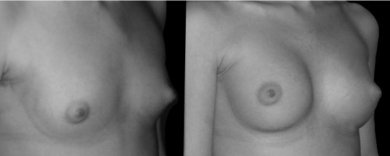
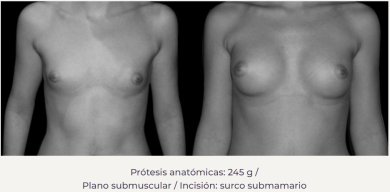
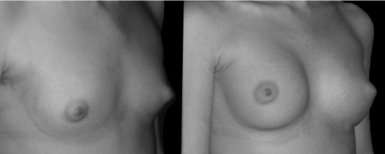
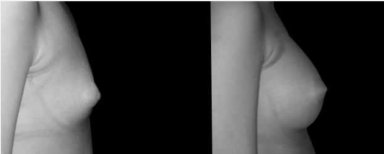
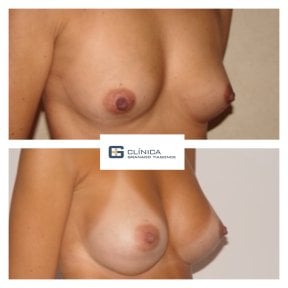
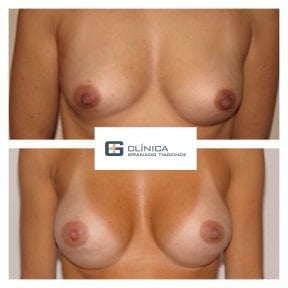
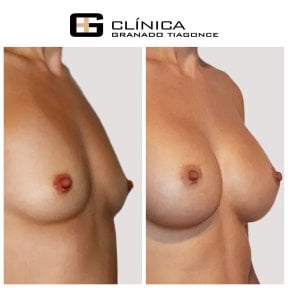
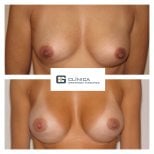
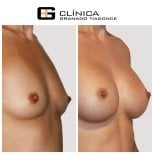
Breast Augmentation with Polytech Anatomical Implants — Pre-Op Tests & Special Bra Included
This day-surgery breast augmentation is performed at the modern Vithas University Hospital, with 10 operating rooms and full ICU support. Dr. Agustin Granado Tiagonce, a professor at the Autonomous University of Madrid with over 20 years of experience, leads the procedure at Clinica Granado Tiagonce. The package costs around $8,401 and includes Polytech® SublimeLine® Replicon® implants, a post-surgery bra, and physiotherapy sessions. Patients receive 24-hour WhatsApp support and a dedicated team member during their stay, plus 1-year medical follow-up after returning home.