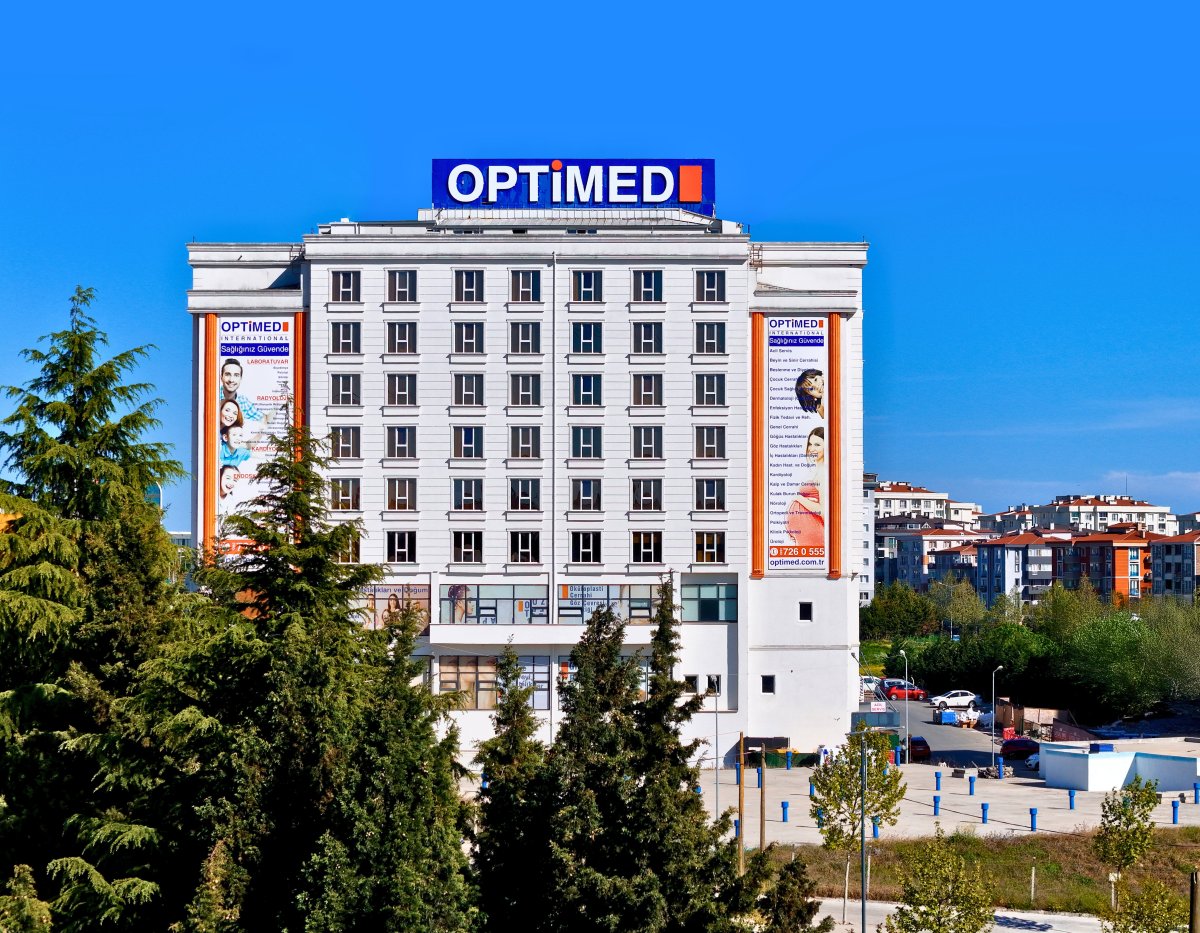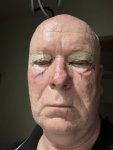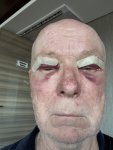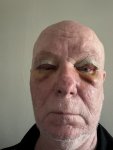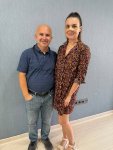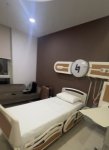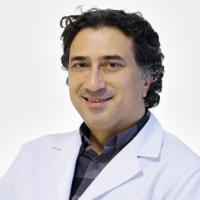

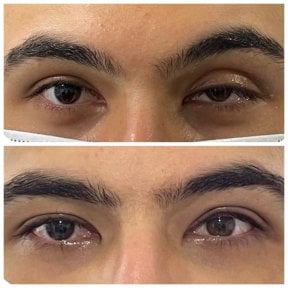
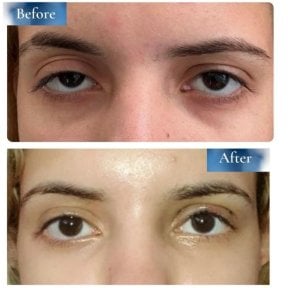
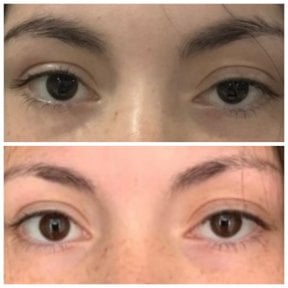
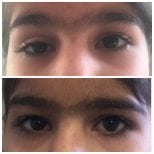

Prof. Dr. Ahmet Satici performs over 1,000 ptosis procedures annually using cutting-edge radiofrequency devices for enhanced precision. This minimally invasive surgery typically takes 3 hours at Prof. Dr. Ahmet Satici's Private Practice. For approximately $4,300, the package includes a complementary hospital overnight stay, daily WhatsApp photo check-ins, and a specific cold compress healing protocol. The package covers preoperative tests and consultations, with an optional 4-5 night hotel stay available. With 94 scientific publications, Dr. Satici offers academic authority in oculoplastic surgery.
How it works
How Much Does Droopy eyelid surgery Cost in Turkey?
Droopy eyelid surgery in Turkey typically costs from $1,500 to $2,500 depending on the surgical technique and clinic location. Prices are influenced by whether the correction involves functional ptosis repair or aesthetic blepharoplasty in hubs like Istanbul and Antalya. Patients save approximately 66% compared to the US, where the average cost is $5,900. Packages often include surgeon fees, local anesthesia, and follow-up examinations.
- Upper blepharoplasty: Typically costs between 15-25% less than combined upper and lower procedures.
- Ptosis correction: Focuses on lifting the muscle and generally requires more specialized ophthalmic expertise.
- Combined eyelid surgery: Often provides better value by addressing both lids in a single session.
- Clinic location: Modern facilities in Istanbul may charge 15-20% more than clinics in regional cities.
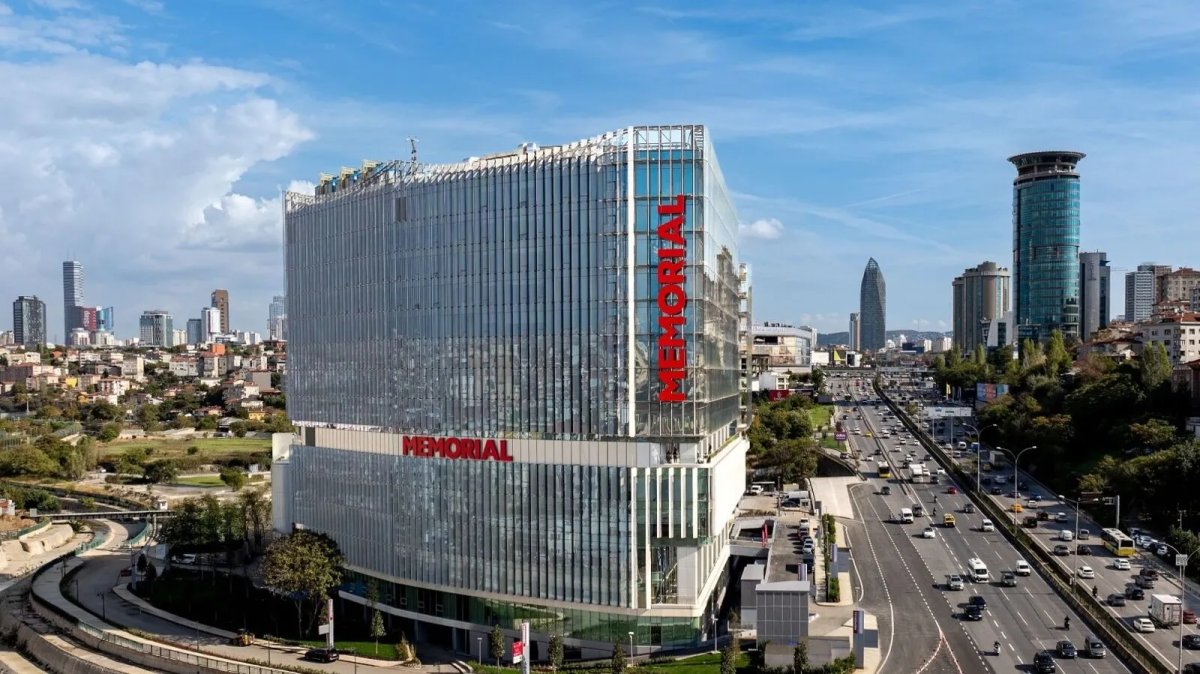
Bookimed Expert Insight: Choosing a specialist with international certifications offers the best long-term value. For instance, Dr. Ahmet Satici at Private Bagcilar Safak Hospital has performed over 20,000 surgeries. While some packages start around $4,800, they often include specialized consultations with both surgeons and ophthalmologists. Highly rated clinics like Memorial Şişli Hospital hold JCI accreditation, ensuring safety standards equal to top US hospitals at a fraction of the price.
| Turkey | The UK | The USA | |
|---|---|---|---|
| Droopy eyelid surgery | from $1,500 | from $4,000 | ≈ $4,200 |
Droopy eyelid surgery Packages in Turkey — November 2026
Discover the Best Droopy eyelid surgery Clinics in Turkey: 33 Verified Options and Prices
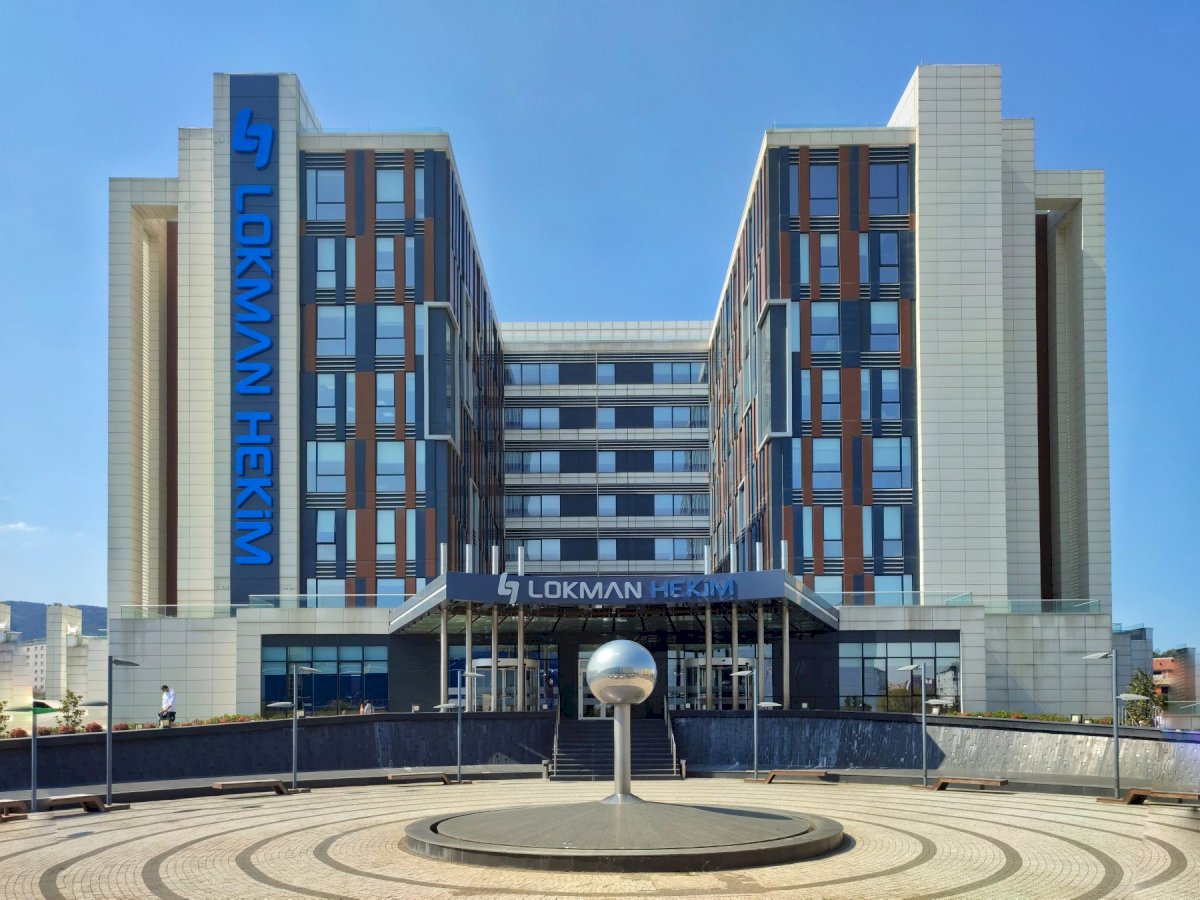
Lokman Hekim Istanbul Hospital
Murat Yaman


Dunyagoz Eye Hospital Istanbul Etiler
Zehra Karaağaç


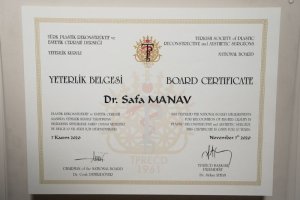
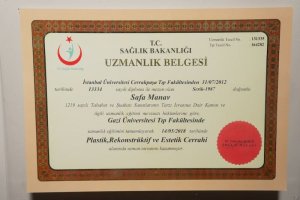
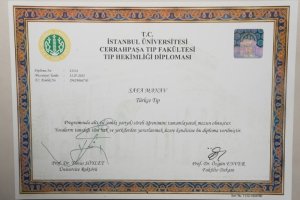
Dr. Safa Manav Clinic
Dr Safa Manav Md


Memorial Göztepe Hospital
Droopy eyelid surgery Overview in Turkey
- Blepharoplasty (Eyelid correction) - from $700During an operation, eye excess skin or fat is removed to make a younger, more alert appearance.
- Upper Eyelid Surgery - from $650The procedure lifts droopy lids, enhancing vision and aesthetics. It involves removing excess skin, fat tissue, and muscle.
- Lower Eyelid Blepharoplasty - from $650This operation corrects bagginess or excess skin under the eye by removing or repositioning fat, enhancing appearance.
- Upper and Lower Eyelid Surgery - from $1,500This therapy repairs sagging skin around eyes, refreshes appearance, and can improve vision by removing excess tissue.
- Double Eyelid Operation - from $1,500This surgery enhances eye appearance by forming a crease, invigorating the look and improving vision.
- Droopy eyelid surgery - from $1,500This procedure corrects sagging eyelids, enhancing appearance and vision, by removing excess skin and fat.
- Hooded eyelid surgery - from $1,700This procedure corrects drooping eyelids to improve appearance, involving a skilled surgeon removing excess skin.
- Lazy eyelid surgery - from $1,800The procedure corrects droopy eyelids, resulting in improved vision and appearance with a safe and quick surgical method.
- Fox Eye Lift - from $1,500A Fox Eye Lift is a cosmetic surgery that subtly elevates the outer corners of the eyes, creating an almond-shaped appearance, with minimal recovery time required.
- Cat Eye Surgery (Canthoplasty) - from $1,100Reshaping of the outer corners of the eyes to achieve an almond-like appearance, enhancing eye symmetry and aesthetic appeal, with minimal recovery time.
- Male Almond Eye Surgery - from $2,400This cosmetic procedure reshapes the eyes to achieve a more elongated, almond-like appearance by adjusting eyelid positioning, enhancing facial harmony and symmetry.
Day 1
- Arrival in the country for surgery.
- Transfer to the clinic is arranged by the patient.
- Consultation with an ophthalmologist is scheduled.
- Language assistance is provided if needed.
Day 2
- Pre-operative tests are conducted.
- The patient is prepared for surgery under local anesthesia.
Day 3
- Droopy eyelid surgery is performed, lasts 1-3 hours.
- Patient stays in recovery room for observation.
Day 4-7
- Post-operative care is provided in the clinic.
- Patient is discharged when stable.
- The patient arranges their own accommodation post-discharge.
Week 1-2
- Rehabilitation period begins, with regular check-ups.
- Stitches are removed after 7-10 days.
- Limited physical activity is recommended.
Week 3-4
- Return to work is usually possible.
- However, strenuous activities and sports should still be avoided.
Week 5-6
- Gradual resumption of normal activities.
- Final results are typically visible at this stage.
Please note, each patient"s case is unique and the timeline may vary.
- Bookimed deposit: $200 or €200.
- Clinic deposit: Pay a set percentage in advance.
Our Trusted Doctors
View all Doctors
Murat Yaman
Dr. Yaman performs 500-600 procedures annually, specializing in natural-looking results for facial and body contouring surgeries.
- Trained at Eskisehir Osmangazi and Manisa Celal Bayar Universities
- Completed Basic Microsurgery at Hacettepe University
- Member of Turkish Society of Reconstructive, Aesthetic, and Plastic Surgery
- Also specializes in wrinkle reduction and face lifting

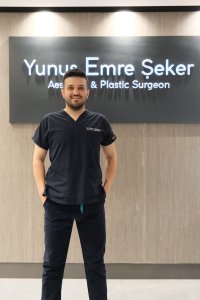
Yunus Emre Seker
Dr. Yunus Emre Seker is a plastic surgeon at Soraca Med in Antalya. He participated in the world’s first successful uterus transplant surgical team. He also helped perform the first double-arm transplant in Turkey. Trained under Prof. Ömer Özkan, a global pioneer in reconstructive transplantation. Dr. Seker specializes in ethnic rhinoplasty and facial rejuvenation.
- Awarded second place in the Turkish Society of Plastic Surgery Research Competition.
- Performs high-precision procedures including deep plane facelifts and 360 liposuction.
- Served as a plastic surgery instructor at Adıyaman Training and Research Hospital.
- Works at Soraca Med, a clinic registered with the Turkish Medical Association.

Omer Faruk Oge
Dr. Omer Faruk Oge is an ophthalmologist at Lokman Hekim Istanbul Hospital. He specializes in surgeries for strabismus, cataracts, and retinal diseases. He is a member of the European Society of Cataract and Refractive Surgeons. Dr. Oge also focuses on pediatric eye health and ocular aesthetics.
- Trained at the Beyoglu Eye Training and Research Hospital.
- Treats complex conditions including amblyopia and retinal disorders.
- Member of the Turkish Ophthalmology Association.
- Works at a JCI-accredited facility in Istanbul.

Aysel Pasazade
Dr. Aysel Pasazade is a plastic and reconstructive surgeon at Quartz Hospital in Istanbul. She holds the prestigious EBOPRAS certification. This credential confirms her competence meets high European standards. Dr. Pasazade specializes in complex body and facial transformations.
- Performs deep plane facelifts, rhinoplasty, and mommy makeovers.
- Graduated from Istanbul University Cerrahpaşa Faculty of Medicine.
- Completed residency training at Bursa Uludağ University.
- Treats over 6,500 international patients annually at Quartz Hospital.
Video Stories from Bookimed Patients
Reviews about Bookimed: Discover Patients' Insights
All reviews


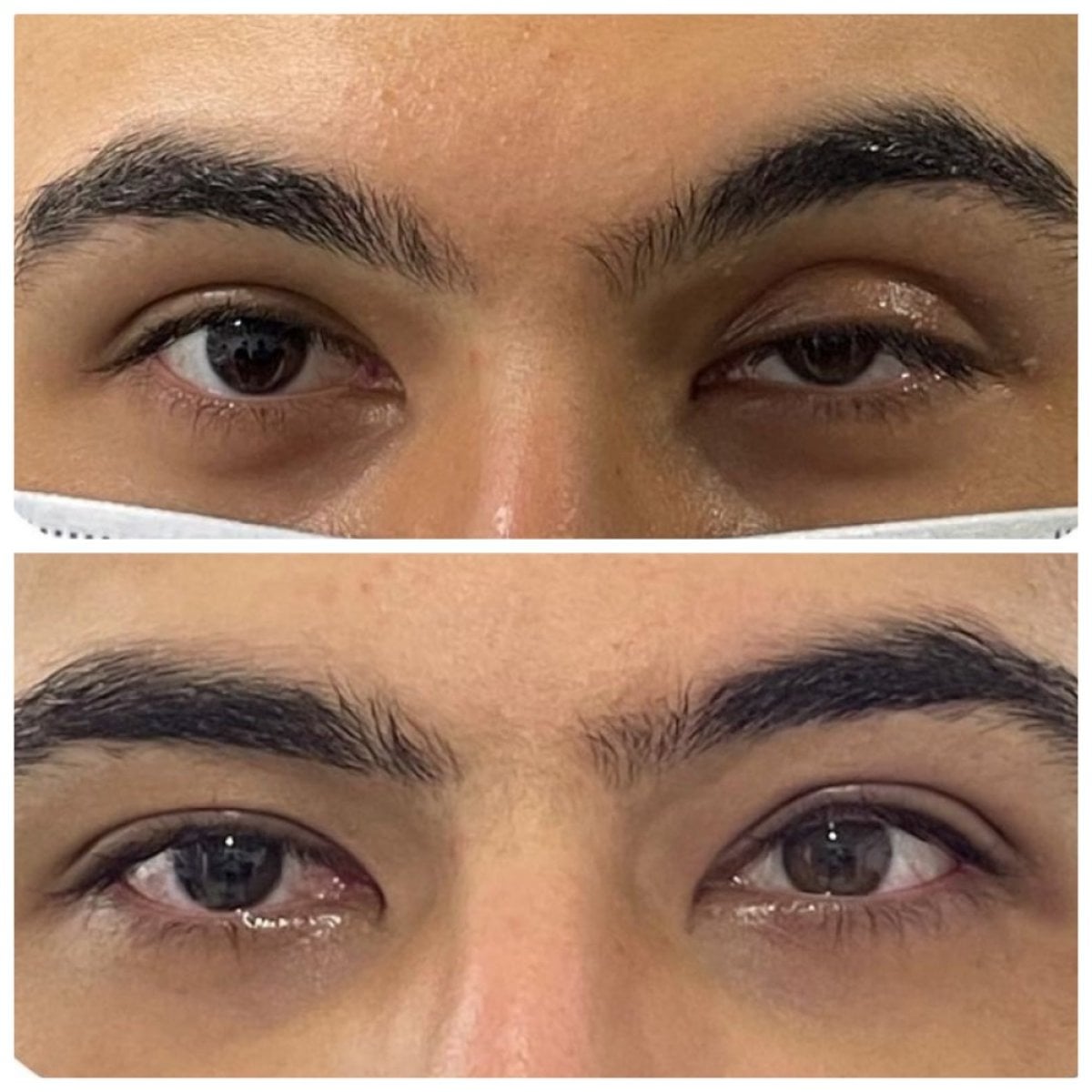
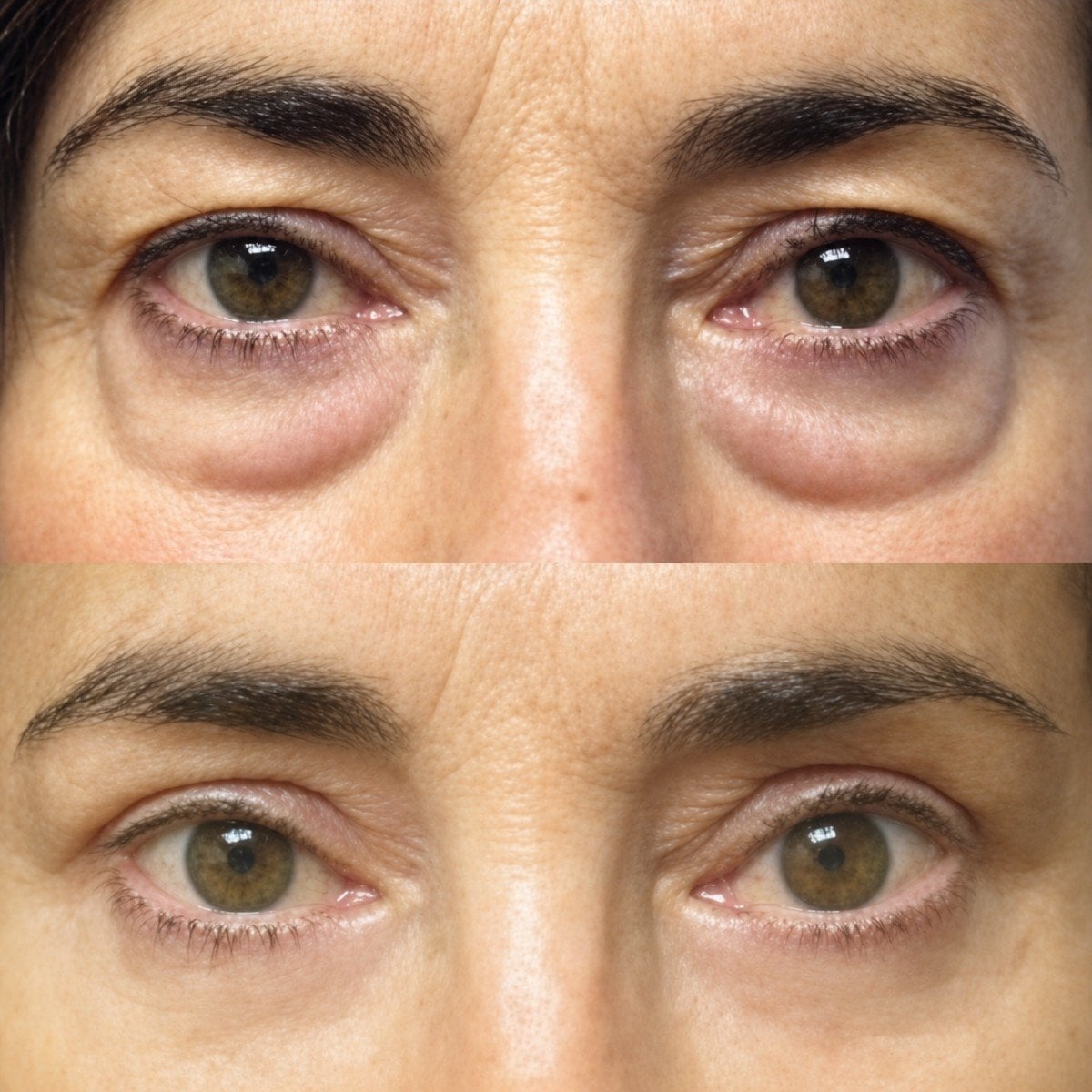
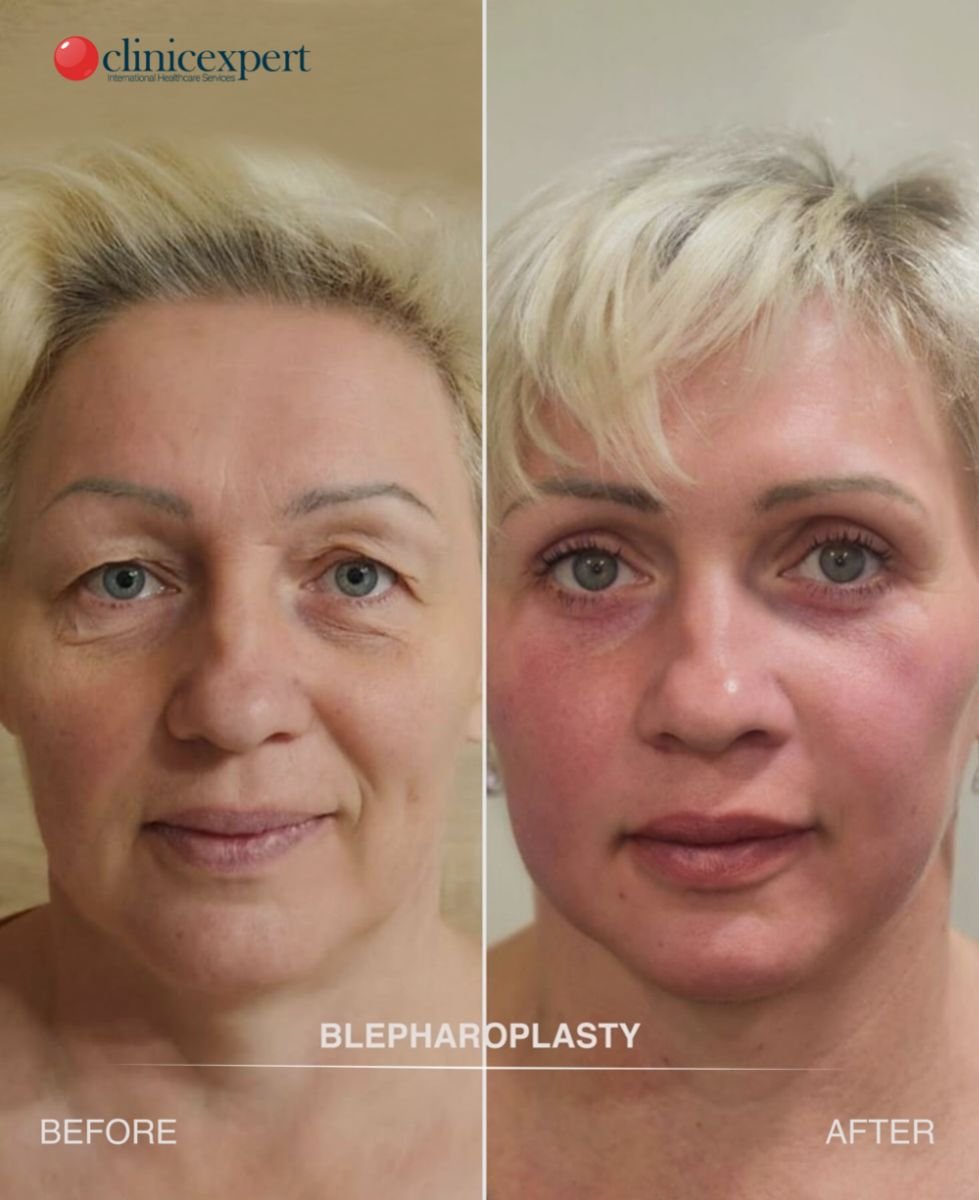
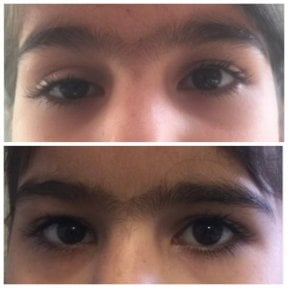
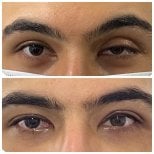
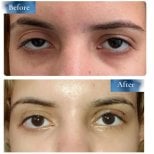
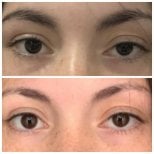
Droopy eyelid surgery: Before & after photos
View allShare this content
Anna Leonova
Fast Facts about Droopy eyelid surgery

Droopy Eyelid Surgery
Eyelid repair involves correcting droopy eyelids to improve vision and appearance.
FAQ about Droopy eyelid surgery in Turkey
Is it safe to have droopy eyelid surgery in Turkey?
Droopy eyelid surgery in Turkey is highly safe when performed by board-certified specialists in JCI-accredited hospitals. The country maintains rigorous standards through Ministry of Health regulations, featuring surgeons with international certifications from bodies like ISAPS and FEBOPRAS to ensure high success rates.
- Surgeon expertise: Surgeons like Dr. Ahmet Satici have performed over 20,000 successful surgical cases.
- Clinical standards: Hospitals like Memorial Sisli were among the world first to earn JCI accreditation.
- Accreditation variety: Facilities often hold multiple certifications including ISO, TÜV NORD, and TMA licenses.
- Technological access: Clinics use advanced ophthalmology tools for precise ptosis repair and aesthetic blepharoplasty.
Bookimed Expert Insight: Patient volume is a reliable safety proxy in Turkey. Top-tier clinics like Dunyagoz Eye Hospital serve 66,000 patients annually, suggesting refined protocols and low complication rates. While many standard plastic surgery centers offer blepharoplasty, choosing a dedicated ophthalmology practice often provides deeper specialized hardware for complex ptosis repair.
Patient Consensus: Patients emphasize the importance of staying 10–14 days for swelling to subside before flying. While outcomes are overwhelmingly positive, some recommend budgeting for potential local follow-ups to ensure perfect symmetry.
Is the procedure painful?
Droopy eyelid surgery in Turkey is generally not painful because surgeons perform it under local anesthesia. You will remain awake but feel only slight pressure or tugging during the 45-minute procedure. Most patients manage post-operative soreness with standard over-the-counter relievers like paracetamol or ibuprofen.
- Anesthesia type: Local anesthesia numbs the eyelid area completely during the entire surgical process.
- Procedure sensation: Patients typically report feeling mild pressure rather than any sharp or acute pain.
- Recovery peak: Discomfort usually peaks within 48 hours and fades significantly by the third day.
- Symptom management: Cold compresses applied every 2 hours during early recovery reduce swelling by 50%.
Bookimed Expert Insight: Turkish eye specialists like Professor Ahmet Satici, who performs over 1,000 eyelid surgeries annually, often include specialized numbing drops and remote monitoring in their packages. This high volume of specific ptosis cases means surgeons are highly silver-tongued at minimizing tissue trauma. Choosing an ophthalmologist-led clinic over a general plastic surgery center often results in less post-op stinging and faster healing.
Patient Consensus: Patients describe the sensation as a strange tugging rather than pain, comparing it to dental work without the vibration. Many emphasize that keeping up with icing for the first 2 days is the most critical step for a comfortable recovery.
Can droopy eyelid surgery improve my vision?
Droopy eyelid surgery significantly improves vision by removing obstructive skin or tightening muscles that block your visual field. This functional procedure restores peripheral sight, reduces eyebrow strain, and increases light entry into the eye. Most patients experience full vision benefits within 1 to 4 weeks post-surgery.
- Visual field: Restores upper and outer peripheral sight blocked by sagging tissue.
- Eye fatigue: Eliminates constant forehead muscle use, reducing tension headaches and strain.
- Light entry: Lifts lids covering the pupil to enhance overall environmental clarity.
- Safety benefit: Improves essential daily activities like night driving and navigating stairs.
Bookimed Expert Insight: For functional vision repair, prioritize surgeons with high-volume ophthamology backgrounds over general plastic surgeons. Professor Ahmet Satici at Private Bagcilar Safak Hospital performs over 1,000 eyelid procedures annually. This specialized experience is vital when the goal is repositioning the lid relative to the pupil.
Patient Consensus: Many patients report gaining 20-50% more visual field after the procedure. Experts suggest getting a formal visual field test beforehand to confirm how much obstruction currently exists.
What is the recovery timeline after droopy eyelid surgery?
Recovery after droopy eyelid surgery in Turkey typically takes 10 to 14 days for visible swelling and bruising to resolve. Patients generally return to non-strenuous work within 7 days, though full tissue maturation and final aesthetic results require 3 to 6 months for most individuals.
- Initial phase: Expect intense swelling and bruising during the first 1 to 3 days post-surgery.

- Stitch removal: Surgeons typically remove non-absorbable sutures 7 to 10 days after the eyelid procedure.
- Activity restrictions: Avoid strenuous exercise, swimming, or wearing contact lenses for at least 2 to 4 weeks.
- Final maturation: Incision lines usually fade and flatten between 3 to 6 months after the operation.
Bookimed Expert Insight: Data from top Turkish clinics shows that surgeons like Dr. Ahmet Satici perform over 1,000 eyelid procedures annually. This high volume often leads to refined techniques that prioritize same-day discharge. Choosing a professor-level specialist can ensure specialized remote monitoring, which is vital for international patients managing their early recovery phase from home.


Patient Consensus: Many patients recommend packing high-quality sunglasses and saline drops for the flight home. They often report a tight or too open sensation during the first 2 months that naturally settles by the third month.
Are the results of droopy eyelid surgery permanent?
Droopy eyelid surgery results are long-lasting but not permanent because they cannot stop natural aging. Lower eyelid corrections often last a lifetime as fat deposits rarely return. Upper eyelid results typically last 10 to 15 years before natural skin laxity may require a touch-up or brow lift.
- Upper eyelid longevity: Results generally remain effective for 5 to 15 years before aging continues.
- Lower eyelid stability: Corrections are frequently permanent since removed fat cells do not regenerate.
- Ptosis repair: Muscle or tendon repair for functional drooping offers high long-term success rates.
- Maintenance factors: Consistent sun protection and quality skincare help extend surgical outcomes significantly.
Bookimed Expert Insight: While many choose standard clinics, seeking a professor like Ahmet Satici, who performs over 1,000 eyelid procedures annually, ensures specialized expertise in muscle repair. High-volume specialists in Turkey often achieve better symmetry and longevity by addressing the underlying levator muscle rather than just removing excess skin.
Patient Consensus: Patients report that results stay crisp for over 8 years, though significant weight loss or heavy smoking can cause earlier sagging. Many recommend using early massage in Turkey's humid climate to ensure scars heal smoothly and remain nearly invisible.
Will the surgery leave visible scars?
Most modern techniques for droopy eyelid surgery in Turkey ensure that scars remain minimal and well-hidden. Incisions are strategically placed within the natural upper eyelid crease or behind the lower eyelid tissue. Over 6 to 12 months, these fine lines typically fade until they become virtually undetectable.
- Incision placement: Surgeons hide upper lid incisions within natural folds for discreet healing.
- Transconjunctival approach: Lower lid corrections often use internal incisions, leaving no visible external scars.
- Suture technique: Turkish specialists often use finer sutures to promote flat, thin scar formation.
- Laser-assisted closure: Some clinics offer laser technology to seal incisions and minimize skin trauma.
Bookimed Expert Insight: Patient data shows that choosing a specialist like Dr. Ahmet Satici, who has performed 20,000+ cases, significantly improves scar outcomes. High-volume surgeons in Turkey manage tissue tension more precisely than generalists. This expertise prevents the widened or raised scarring often seen in budget-tier clinics.
Patient Consensus: Patients report that upper lid scars are nearly invisible once they reach the 1-year mark. Many suggest requesting long-term healing photos during consultations to confirm the surgeon's skill in hiding incisions.