Get Plastic Surgery Costs in Poland

Medically reviewed by
Ergin Er
What's the cost for Plastic Surgery procedures in Poland?
Plastic surgery in Poland typically costs from $3,400 to $6,900. Final prices depend on the surgical complexity, clinic location, and specific package inclusions like medical garments or hospital stays. Patients often find 50-80% savings compared to prices in the US or UK.
Typical Plastic Surgery Costs in Poland
- Plastic surgery consultation: $90 – $110
- Rhinoplasty (nose job): $2,200 – $7,900
- Breast augmentation: Price on request
- Liposuction: $1,600 – $3,200
- Facelift: $3,000 – $8,100
- Blepharoplasty (Eyelid correction): $750 – $2,500
- Tummy tuck: $2,000 – $7,300
- Hair transplant: Price on request
- Gynecomastia surgery: Price on request
- Penis enlargement: Price on request
Major medical hubs include Warsaw, Kraków, and Jelenia Góra. Warsaw is often the most expensive, while clinics in other regions can offer lower rates. Consult with a specialist to get accurate pricing based on your individual surgical goals.
| Poland | Turkey | Austria | |
|---|---|---|---|
| Tummy tuck | from $2,000 | from $2,000 | ≈ $7,200 |
| Tumescent liposuction | ≈ $3,200 | from $1,800 | ≈ $5,800 |
| Thigh lift | from $2,000 | from $2,200 | ≈ $6,200 |
| Septoplasty (Deviated Septum Surgery) | from $1,200 | from $1,200 | ≈ $3,500 |
| Rhinoplasty (nose job) | from $2,200 | from $1,800 | ≈ $7,000 |
All Plastic Surgery conditions
Your Benefits and Guarantees with Bookimed
Transparent Prices & Flexible Installments
No hidden fees – just official clinic prices. Pay at the clinic for Plastic Surgery treatment upon arrival and use a flexible installment plan if needed.
Verified Clinics & Doctors Only
Bookimed is committed to your safety. We only work with medical institutions that maintain high international standards in Plastic Surgery treatment and have the necessary licenses to serve international patients worldwide.
Free 24/7 Assistance
Bookimed offers free expert assistance. A personal medical coordinator supports you before, during, and after your treatment, solving any issues. You're never alone on your Plastic Surgery treatment journey.

Your personal Bookimed medical coordinator
- Supports you at every stage
- Helps choose the right clinic and doctor
- Ensures quick and convenient access to information
Best Plastic Surgery Clinics in Poland: 46 Verified Options and Prices





WILMED Medical Clinic
Piotr Ciszewski



Radzikowska Plastic Surgery Clinic
Elzbieta Radzikowska-buchner


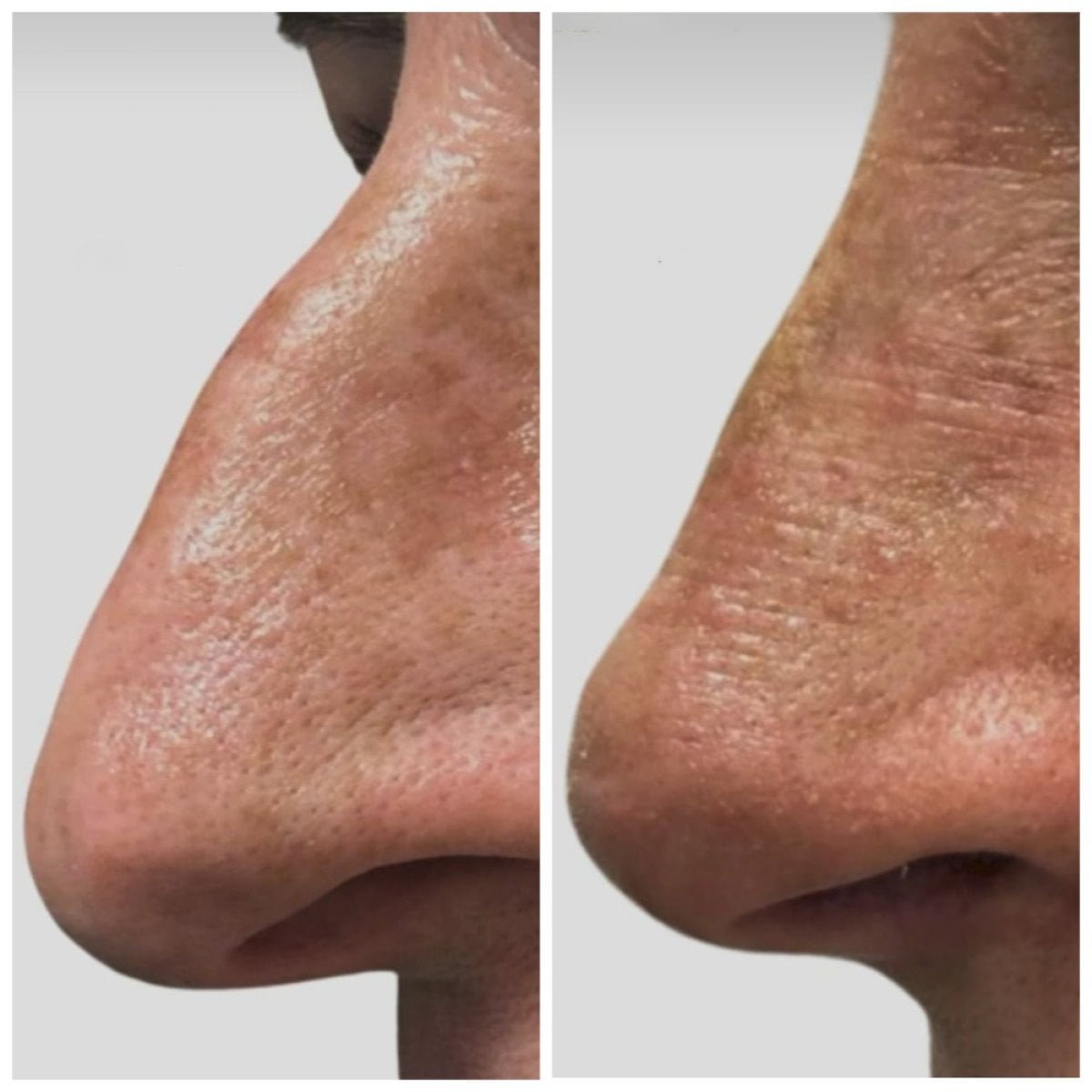
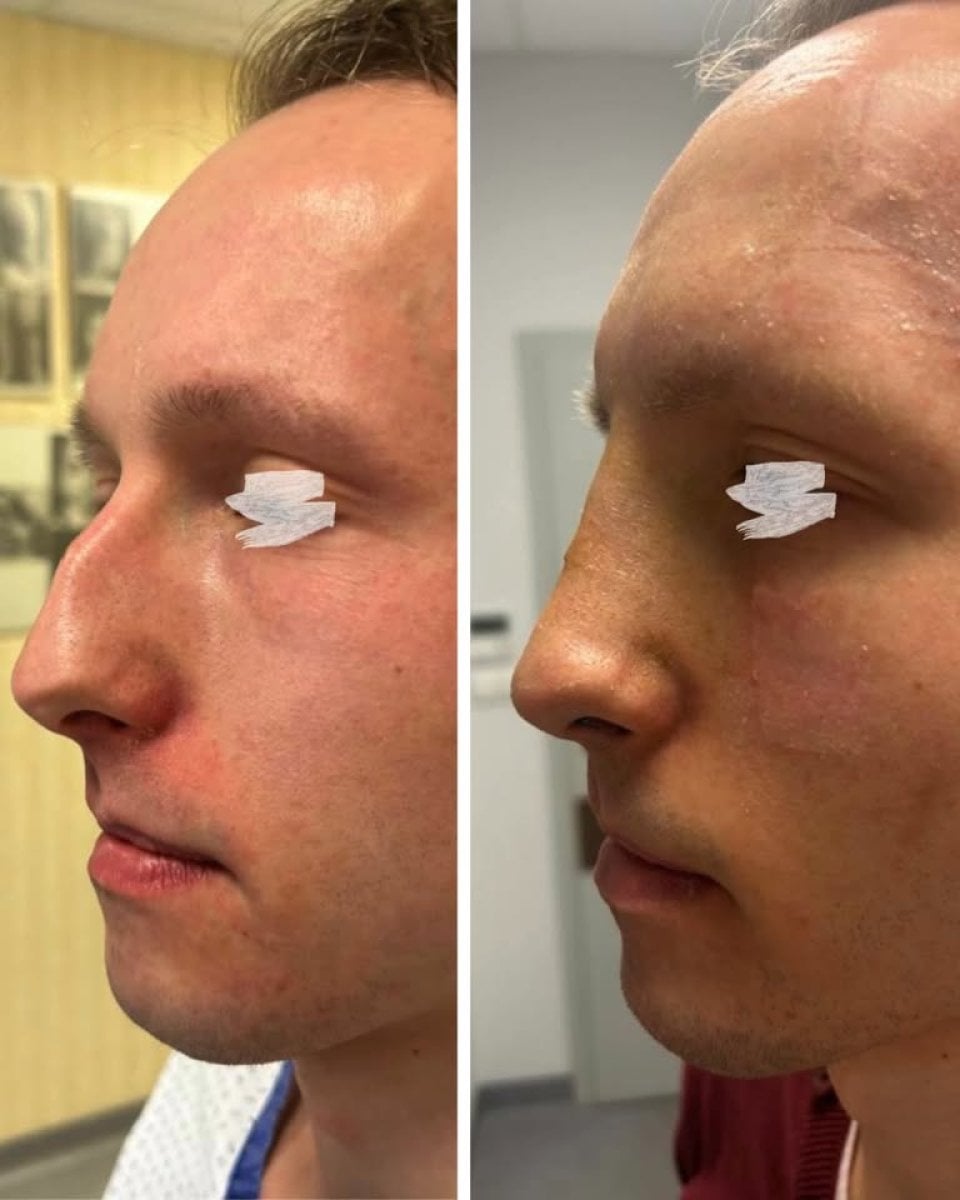
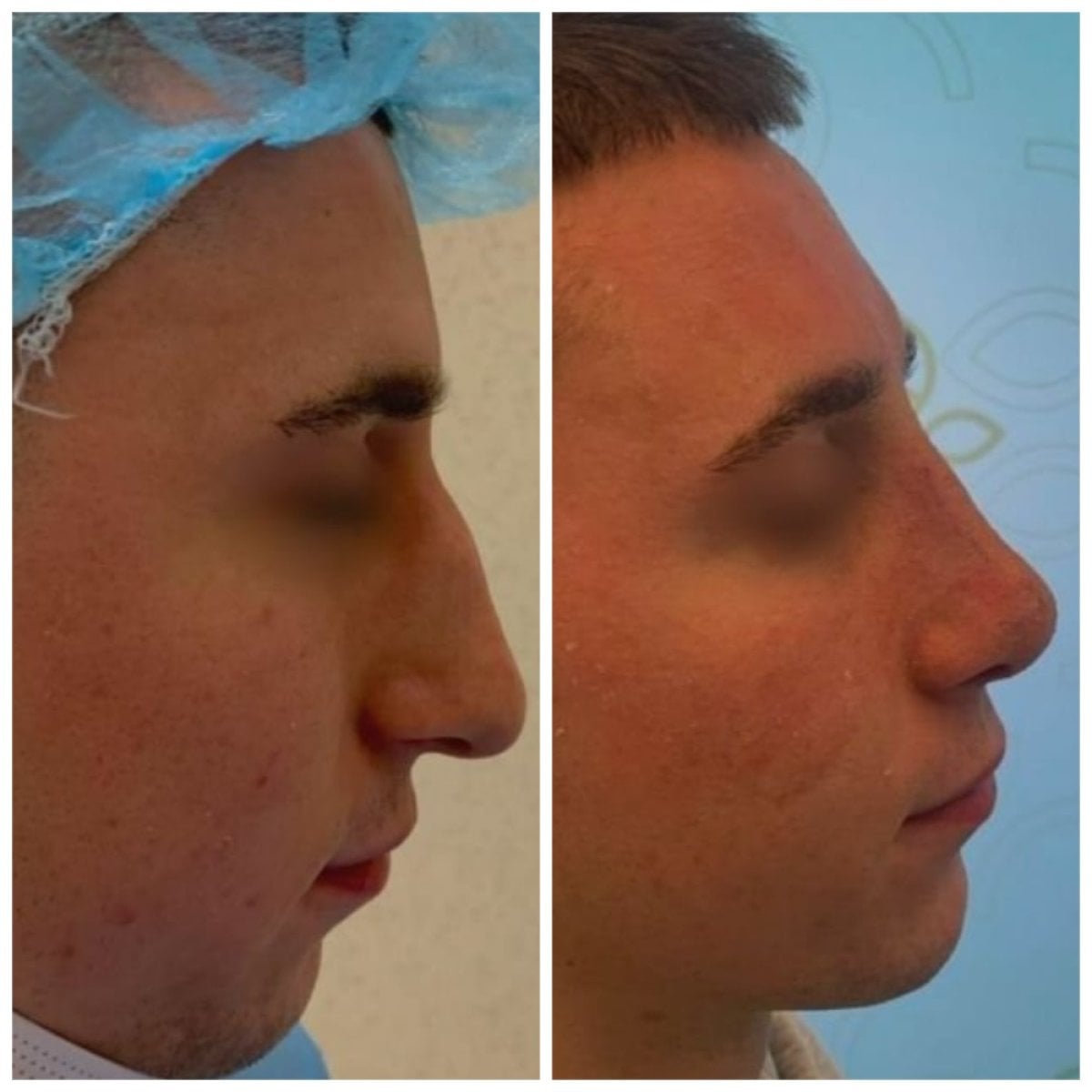
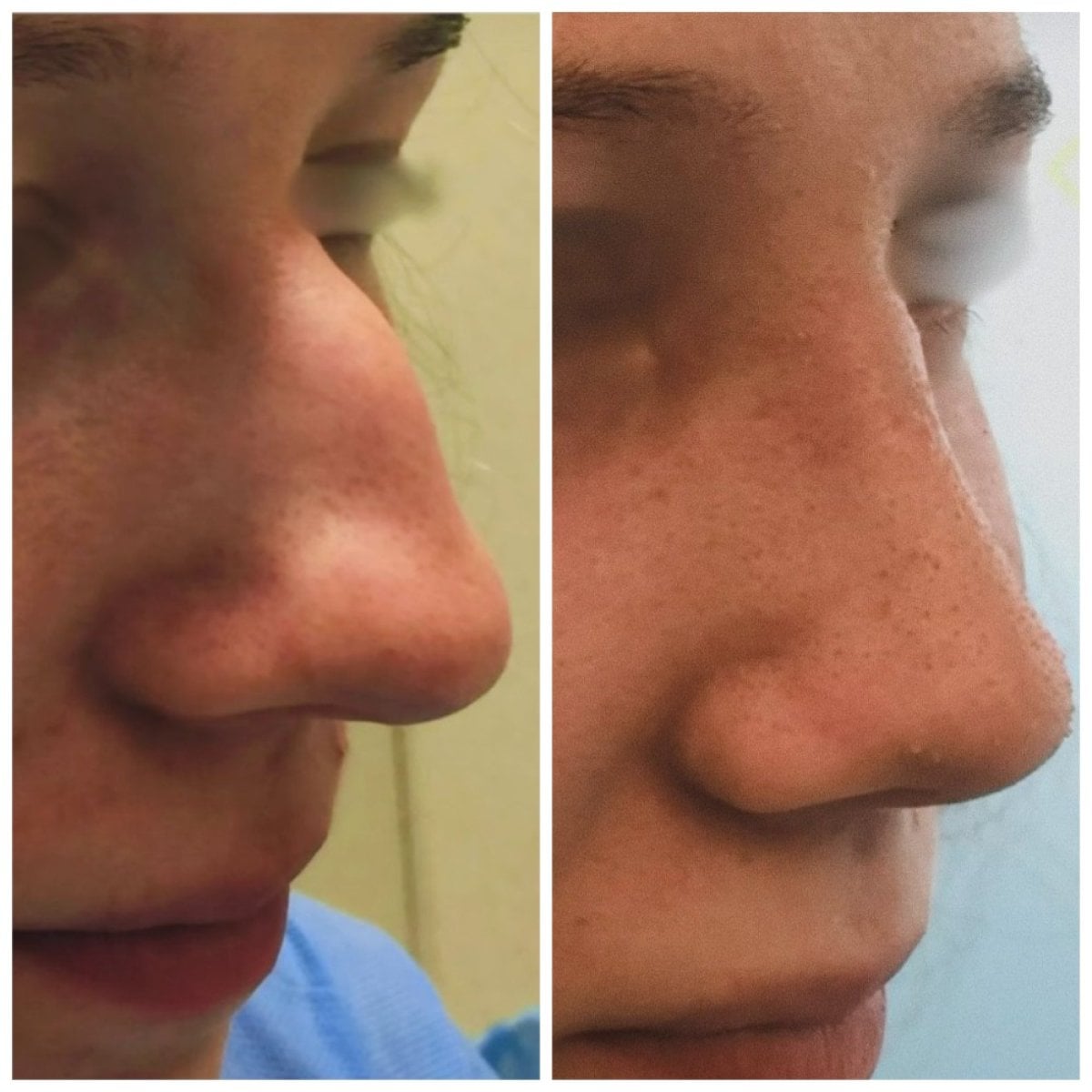




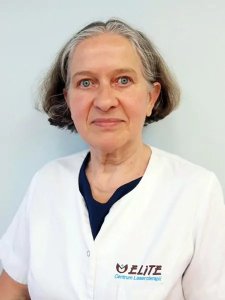
Elite Clinic Aesthetic and Plastic Surgery
Zukowska Dorota

Klinika Saska Med
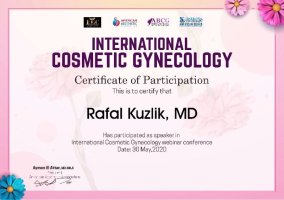
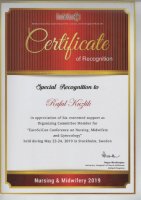
Rafal Kuzlik


Roth Medica




Top Plastic Surgery centers in Poland
- KCM Clinic, Poland
- WILMED Medical Clinic, Poland
- Sienna Clinic, Poland
- Radzikowska Plastic Surgery Clinic, Poland
- Klinika Promedion, Poland
- Krajmed Laryngology, Poland
- Elite Clinic Aesthetic and Plastic Surgery, Poland
- Klinika Saska Med, Poland
- Roth Medica, Poland
- Carolina Hospital, Poland
Our Trusted Doctors
View all Doctors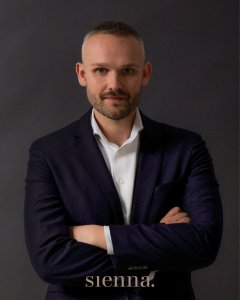
Antoni Krajewski
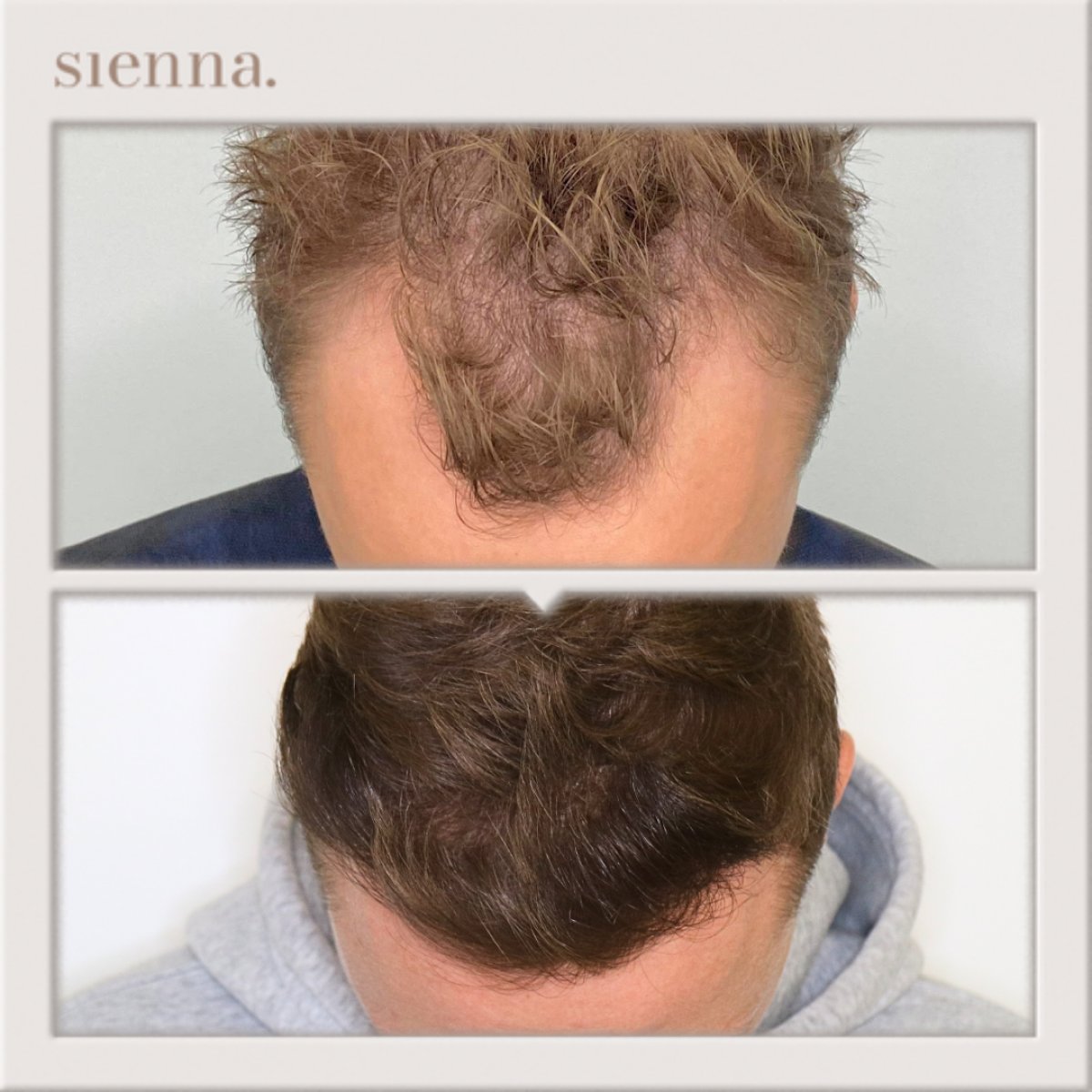
Dr. Antoni Krajewski is a specialist in general surgery and aesthetic medicine at Sienna Clinic. He leads FUE hair transplantation courses in collaboration with the Luxmed Medical Education Center. His practice focuses on hair restoration and gender-affirming top surgery. Dr. Krajewski is recognized for his empathetic focus on the LGBTQ+ community.
- Specializes in FUE hair transplants, eyelid correction, and facial plastic surgery.
- Performs gender-affirming procedures including FTM top surgery and chest masculinization.
- Serves as a trainer in aesthetic medicine and hair transplantation techniques.
- Treats general surgical conditions such as inguinal and umbilical hernias.
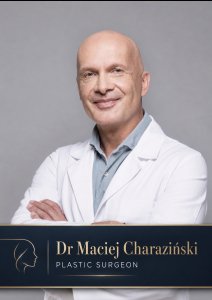
Maciej Charazinski
Dr. Maciej Charazinski is a plastic surgeon at Klinika Promedion in Warsaw. He is a member of the International Confederation for Plastic Reconstructive and Aesthetic Surgery. Dr. Charazinski focuses on complex facial and body contouring procedures. He previously served as the Medical Director and Head of the Medical Team at Uni Klinik.
- Specializes in deep plane facelifts, rhinoplasty, and breast surgery.
- Authored or co-authored numerous scientific papers on aesthetic and reconstructive surgery.
- Maintains membership in the Polish Society of Plastic, Reconstructive and Aesthetic Surgery.
- Operates at Klinika Promedion, which treats approximately 1,000 patients every year.
Elzbieta Radzikowska-buchner
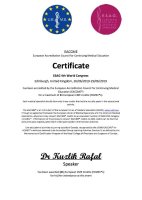
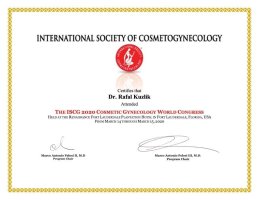
Rafal Kuzlik
Dr. Rafal Kuzlik is a gynecologist and reconstructive surgeon at SaskaMed in Warsaw. He authored the internationally recognized One Cut, Linear Z, and Double O surgical techniques. These methods focus on aesthetic and functional gynecology. Dr. Kuzlik has performed approximately 10,000 operations. He practices in both Poland and Dubai.
- Developed original techniques for labiaplasty and clitoral repositioning.
- Served as former Head of Gynecology at EMC St. Anne’s Hospital.
- General Secretary of the World Academy of Regenerative and Aesthetic Gynecology.
- Trains physicians globally on surgical techniques in functional gynecology.
Video Stories from Bookimed Patients
Reviews about Bookimed: Discover Patients' Insights
All reviews
Related Articles
View more
Sex Reassignment Surgery Guide: Everything You Need to Know from Preparation to Recovery
Written by Mariia Mytrofankina

Types of Tummy Tucks: Which One Is Right for You?
Written by Mariia Mytrofankina

How Much Does Top Surgery Cost in 2026? FTM and MTF Prices by Country
Written by Mariia Mytrofankina

Thailand Plastic Surgery Packages: Prices, Clinics & How to Plan Your Trip
Written by Kateryna Zamkovska

Complete Guide to Affordable Blepharoplasty: Costs, Insurance Coverage & Best Countries 2026
Written by Kateryna Zamkovska
Share this content
 Anna Leonova

FAQ about Plastic Surgery in Poland
Are plastic surgeons in Poland qualified and do they speak English?
Plastic surgeons in Poland are highly qualified. They must complete a 6-year medical degree and a specialized residency. Most lead surgeons at clinics like KCM Clinic speak English fluently. Many hold international certifications from boards like the International Society of Aesthetic Plastic Surgery.
- Education standards: Surgeons complete 6-year degrees followed by rigorous, multi-year surgical residencies.
- Official registration: Specialists are typically registered with the Polish Society of Plastic Surgery.
- International credentials: Top doctors often hold memberships in global bodies like IPRAS or EBOPRAS.
- Language accessibility: Major hubs in Warsaw and Krakow provide English-speaking coordinators and medical staff.
Bookimed Expert Insight: Data shows a clear distinction between aesthetic practitioners and board-certified plastic surgeons. Clinics like WILMED Medical Clinic highlight surgeons who have performed over 35,000 procedures. Patients should prioritize doctors with PhDs or specialist titles from recognized institutions like the Medical University of Warsaw for complex surgeries.
Patient Consensus: Patients note that while coordinators are usually fluent, nursing staff may have limited English. It is important to confirm that your specific surgeon will handle the consultation personally to discuss medical risks clearly.
How safe is it to travel back home by plane after plastic surgery?
Flying after plastic surgery is safe when you follow procedure-specific timelines and obtain surgeon clearance. Risks include deep vein thrombosis, increased swelling from cabin pressure, and wound stress. Short flights typically require 3 to 7 days, while major procedures often necessitate 10 to 21 days.
- Eyelid correction: Patients generally fly 7 days after blepharoplasty once initial healing is confirmed.
- Breast augmentation: Travel is often possible after 3 to 5 days for uncomplicated cases.
- Tummy tuck: Extensive procedures like abdominoplasty require 10 days to 3 weeks before boarding.
- Rhinoplasty: Surgeons typically recommend waiting 7 to 14 days to manage nasal pressure changes.
Bookimed Expert Insight: Poland's leading centers, such as KCM Clinic and Wilmed Medical Clinic, prioritize postoperative reviews at days 2 and 5. Data shows patients who stay for these specific checks have higher satisfaction because drains are removed and wound integrity is verified before travel. Booking a stay that aligns with these milestones prevents the need for emergency local care after you return home.
Patient Consensus: Patients emphasize that the real challenge is not the flight, but handling luggage. Many recommend booking wheelchair assistance and traveling with a companion to avoid lifting bags that exceed postoperative weight limits.
What happens if there are complications after I return home?
If you face complications after plastic surgery in Poland, your response depends on severity. For emergencies like chest pain or heavy bleeding, seek local immediate care. For non-urgent issues, Polish clinics like KCM Clinic provide coordinated post-operative support and remote surgeon consultations via photographs or calls.
- Emergency protocol: Visit a local emergency room for fever, shortness of breath, or sudden swelling.
- Remote monitoring: Surgeons often advise on wound care and minor healing issues via digital communication.
- Local support: Arrange a local GP or specialist for drain removal or dressing changes beforehand.
- Travel insurance: Verify your policy covers medical complications and potential revision surgery costs abroad.
Bookimed Expert Insight: Clinics with higher patient volumes, such as WILMED Medical Clinic which serves 7,500+ patients annually, often provide structured online qualification and follow-up protocols. Our data shows that facilities with ISO certifications typically have more formal discharge notes. These documents are essential if a local doctor needs to step in, as they detail your specific implant types and surgical techniques used.
Patient Consensus: Patients note that minor wound issues can often be managed through remote contact, but emphasize having a local doctor ready for physical exams. Many recommend staying in Poland for at least 7–10 days to catch early issues like hematomas before flying home.
How long do I need to stay in Poland for my procedure and recovery?
Most patients stay in Poland for 7 to 14 days after plastic surgery. This timeframe allows for necessary hospital stays of 1 to 3 days and mandatory follow-up appointments. Surgeons typically provide fit-to-fly clearance once wound healing is satisfactory and initial dressings or drains are removed.
- Hospital stay: Expect 1 to 3 days in the clinic for monitoring after major surgery.
- Drain removal: Surgeons often remove surgical drains around postoperative day 5 before clear travel.
- Rhinoplasty recovery: Patients generally need 7 to 10 days for splint removal and initial healing.
- Tummy tuck: A minimum 10 to 14 days is recommended for intensive wound care monitoring.
Bookimed Expert Insight: Data from high-volume centers like KCM Clinic and WILMED Medical Clinic shows a trend toward digital pre-qualification. Patients who submit photos for online review before traveling often have more accurate recovery itineraries. This process identifies cases needing 14 days versus 7 days, reducing the risk of unexpected stay extensions due to surgical complexity.
Patient Consensus: Patients note that while drains may come out early, the real challenge is managing airport logistics and luggage. Many recommend booking airport assistance or traveling with a companion to handle bags, as mobility remains limited for the first week.
Is neurosurgery in Poland of high quality?
Neurosurgery in Poland offers high-quality care through JCI and ISO-certified facilities. Polish neurosurgeons follow rigorous European Union training standards. Many hold fellowships from the US or Germany. Advanced technologies like CyberKnife, Gamma Knife, and robotic systems are widely available in private centers.
- Specialized credentials: Doctors often hold memberships in the European Association of Neurosurgical Societies.
- Advanced technology: Clinics utilize CyberKnife and MR-guided focused ultrasound for non-invasive brain treatments.
- Clinical volume: Top centers like University Hospital in Krakow treat 455,000+ patients annually.
- Expert surgeons: Dr. Maciej Bujko at Carolina Hospital has performed 2,500+ surgeries independently.
Bookimed Expert Insight: Data shows a strong correlation between clinic specializations and patient origins. KCM Clinic serves 700+ international patients yearly. It focuses heavily on minimally invasive spine surgery. This volume allows them to offer specialized packages. These often include diagnostic blocks and specific implants like the Medtronic DIAM.
Patient Consensus: Patients note that Polish surgeons are highly attentive and detailed during consultations. Some mention that while the surgery itself is world-class, it is helpful to use a translation app for smoother communication with all hospital staff.
What are the qualifications of Polish neurosurgeons?
Polish neurosurgeons are highly qualified specialists who complete at least 13 years of rigorous medical training. This includes a 6-year medical degree, a 13-month internship, and a 6-year residency. They must pass the State Specialization Examination (PES) and often hold European Association of Neurosurgical Societies (EANS) certification.
- Education: Doctors earn a medical degree (Lekarz) after 6 years of university study.
- Specialization: Residency involves 6 years of modular training in clinical neurosurgery and neuroradiology.
- Surgical volume: Residents often complete 1,000+ cases, exceeding average training volumes in other regions.
- Certifications: Many specialists maintain memberships in AO Spine or the Polish Society of Spine Surgery.
Bookimed Expert Insight: Data shows Polish neurosurgeons often specialize in niche technologies like the ApiFix system or SED-YESS lumbar endoscopy. Specialists like Dr. Stanislaw Kwiek at KCM Clinic combine postdoctoral research with active surgical practice. This blend of academic depth and high procedure volumes makes them particularly effective for complex, minimally invasive spine revisions.
Patient Consensus: Patients value doctors who provide detailed explanations and answer all questions during consultations. While medical expertise is high, patients recommend confirming all payment terms and package inclusions in writing before traveling.
Which are the best hospitals for neurosurgery in Poland?
The best hospitals for neurosurgery in Poland include Carolina Hospital, KCM Clinic, and top academic centers like the University Hospital in Krakow. These facilities offer advanced spinal and brain treatments, featuring ISO-certified quality standards and specialists with international memberships in organizations like AO Spine.
- Carolina Hospital: A FIFA Medical Centre of Excellence specializing in complex minimally invasive spinal surgery.
- KCM Clinic: Internationally recognized for endoscopic spine procedures, serving over 700 foreign patients annually.
- University Hospital Krakow: A major multidisciplinary hub performing 800+ neurosurgical treatments yearly since 1788.
- Luxmed: A prominent private Warsaw facility focused on modern spinal surgery for international patients.
Bookimed Expert Insight: While many search for the largest hospitals, data shows that clinics like Carolina Hospital offer superior efficiency for elective cases. Having 40+ specialized doctors in a 30-bed facility ensures a much higher doctor-to-patient ratio than public university centers. This translates to more attentive postoperative care and significantly faster scheduling for procedures like herniated disc repairs.
Patient Consensus: Patients note that while public university hospitals excel at complex brain tumors, private clinics are preferred for spine work due to shorter wait times and better English-speaking support. Many advise confirming the surgeon's specific case volume through professional society listings before booking.
What are the most common neurosurgical procedures performed in Poland?
Neurosurgery in Poland is dominated by spinal procedures and brain tumor removals. Hospitals frequently perform microdiscectomies, spinal fusions, and deep brain stimulation. Centers like Carolina Hospital and KCM Clinic utilize minimally invasive techniques to treat herniated discs, spinal injuries, and complex neurological disorders.
- Spinal surgery: Discectomies and laminectomies are common for treating herniated discs.
- Neuro-oncology: Specialists perform brain tumor surgeries using advanced equipment like CyberKnife technology.
- Functional neurosurgery: Deep brain stimulation (DBS) is widely used for movement disorders.
- Minimally invasive: Surgeons use endoscopic methods for spinal decompression and pituitary tumors.
Bookimed Expert Insight: Poland has become a hub for specialized spinal stabilization. Clinics like Carolina Hospital partner with national sports teams, reflecting high expertise in complex spinal trauma. Our data shows these facilities often integrate rehabilitation directly into the surgical package. This combination reduces the risk of post-operative issues and speeds up patient recovery.
Patient Consensus: Patients note that private clinics offer much faster access for elective spine surgery compared to public options. Many recommend confirming the availability of English-speaking staff and planning for a short hospital stay followed by intensive physical therapy.
Is neurological rehabilitation available?
Neurological rehabilitation is widely available in Poland through specialized centers and multidisciplinary hospitals. Programs cover recovery for stroke, spinal cord injuries, and degenerative diseases. Facilities like Carolina Hospital in Warsaw and KCM Clinic provide physician-supervised therapy. Most neurosurgical packages include initial post-operative rehabilitation assessments.
- Available therapies: Programs include neuro-physiotherapy, occupational therapy, and speech-language pathology.
- Leading facilities: Carolina Hospital and Medical Centre ENEL-MED in Warsaw offer rehabilitation.
- Expert staff: Specialized neuro-physiotherapists work alongside neurosurgeons to create personalized plans.
- Treatment scope: Rehabilitation addresses mobility, balance, and cognitive functions after complex surgeries.
Bookimed Expert Insight: Data shows that clinics with high international patient volumes, like KCM Clinic, often bundle basic rehabilitation into their surgical packages. This is a significant advantage because separate neuro-rehabilitation in Poland can be difficult to coordinate independently. Choosing a clinic that provides an on-site rehabilitator ensures your recovery starts within 24 hours of surgery, which is vital for nerve regeneration.
Patient Consensus: Patients note that while major hospitals provide initial mobility checks, finding specialized speech or cognitive therapy often requires moving to a private center. Many recommend confirming a specific rehab plan with the neurosurgeon before traveling to ensure seamless care.
Who are the top neurosurgeons in Poland?
Top neurosurgeons in Poland include Dr. Jurij Kseniuk and Dr. Maciej Bujko at Carolina Hospital in Warsaw. These specialists focus on minimally invasive spine surgery and endoscopic techniques. They hold international certifications and memberships in the Polish Society of Spine Surgery and EUROSPINE.
- Dr. Jurij Kseniuk: Expert in endoscopic spine surgery at Carolina Hospital. Two-time international Vexim competition winner.
- Dr. Maciej Bujko: International endoscopic instructor at Carolina Hospital. Performed 2,500+ procedures including brain tumors.
- Prof. Stanislaw Kwiek: Specialist at KCM Clinic. Over 30 years experience in advanced laser decompression.
- Dr. Radoslaw Michalik: Specialist in artificial disc implantation and spinal oncology at Carolina Hospital.
Bookimed Expert Insight: Data shows a high concentration of elite expertise in Warsaw. Carolina Hospital alone houses 40+ specialists with dual certifications in neurosurgery and orthopedics. This multidisciplinary approach is rare. It allows for more precise treatment of complex cases involving both nerve and bone issues.
Patient Consensus: Patients value the detailed diagnostic process, noting that MRIs often take longer but provide superior clarity. While medical care is highly rated, some mention that administrative communication at private clinics can be slow during the payment phase.
Can international patients easily access care?
International patients comfortably access neurosurgery in Poland through specialized private centers in Warsaw and Jelenia Gora. These facilities provide direct access to advanced procedures like CyberKnife and endoscopic spine surgery. JCI and ISO-accredited hospitals streamline the process for foreign patients with dedicated coordination and language support.
- Specialized care: Clinics like Carolina Hospital serve international patients from Europe and North America.
- Advanced technology: Facilities offer CyberKnife, Gamma Knife, and robotic-assisted spine surgery for complex cases.
- Dedicated coordination: Packages often include airport transfers and local apartments to simplify medical travel.
- Expert surgeons: Doctors like Dr. Jurij Kseniuk perform high-precision minimally invasive spine procedures.
Bookimed Expert Insight: Poland's private neurosurgery centers offer a dual advantage of high patient volume and specialized expertise. For example, the University Hospital in Krakow serves 450,000+ patients annually. This massive clinical experience allows private centers to maintain surgical success rates that attract over 700 international patients yearly to clinics like KCM.
Patient Consensus: Patients note that private clinics provide very friendly staff and attentive surgeons who answer every question in detail. While language barriers can occur at reception, centers quickly provide translation support to meet the needs of international visitors.
What are the best neurosurgery hospitals in Poland?
Poland offers top neurosurgery at JCI-standard facilities like Carolina Hospital and KCM Clinic. These centers specialize in minimally invasive spine surgery and complex brain tumor resections. Patients benefit from advanced technologies like CyberKnife and Gamma Knife. High success rates and shorter waiting times define the private sector.
- Carolina Hospital: A FIFA Medical Centre of Excellence specializing in complex spinal neurotrauma.
- KCM Clinic: Leading center for endoscopic spine surgery performing over 3,000 successful interventions.
- University Hospital Krakow: Academic powerhouse known for high-volume tumor resections and awake craniotomy.
- Cyberknife Institute: Specialized facility in Wieliszew focusing on robotic radiosurgery for tumors.
Bookimed Expert Insight: Data shows a clear quality signal in diagnostic depth at top Warsaw clinics. Facilities like Carolina Hospital perform MRI scans that take 3 times longer than standard protocols. This focus on high-resolution imaging directly supports the precision of minimally invasive procedures. It is a key differentiator for complex neurological cases.
Patient Consensus: Patients value the detailed imaging and note that surgeons often have extensive international training. Many highlight that while English is common in private clinics, confirming interpreter services early helps avoid communication gaps during recovery.
Do clinics provide support for international travelers?
Polish neurosurgery clinics provide comprehensive support for international travelers, ranging from visa assistance to dedicated logistical coordination. Facilities specialized in spinal and brain surgery often include airport transfers and accommodation arrangements. Many centers employ multilingual staff to bridge language barriers for patients from Europe, North America, and beyond.
- Travel logistics: Clinics like Carolina Hospital organize airport transfers and local lodging.
- Language assistance: Dedicated teams provide translation to ensure clear communication with neurosurgeons.
- Patient coordination: KCM Clinic offers specialized package programs specifically designed for international patients.
- Remote consultations: Many facilities provide online consultations to review MRI scans before travel.
Bookimed Expert Insight: Data shows that clinics with high international volumes, like KCM Clinic which serves 700+ foreigners annually, often bundle services to simplify the journey. These centers frequently provide all-inclusive packages for procedures like laminectomy or disc surgery. Choosing these bundled options helps patients avoid the complexity of booking local transport or finding recovery-appropriate housing separately.
Patient Consensus: Patients note it is helpful when clinics arrange everything by email before arrival. They emphasize that having a dedicated coordinator who speaks their language makes the surgical process much less stressful.
Why is neurosurgery more affordable in Poland compared to the US or UK?
Neurosurgery in Poland is more affordable due to lower labor costs and medical staff salaries compared to the US or UK. Facilities use identical Western technology and implants like Medtronic or Stryker. Favorable exchange rates and reduced malpractice insurance premiums significantly lower surgical fees for international patients.
- Cost efficiency: Prices for neurosurgical procedures generally range from _price_from_ to _price_to_.
- Surgical expertise: Specialists like Dr. Maciej Bujko have performed 2,500+ independent surgeries.
- Included services: Packages often bundle diagnostic tests, surgical fees, and 24/7 medical care.
- Standardized quality: Clinics like Carolina Hospital hold ISO 9001:2015 and TÜV NORD certifications.
Bookimed Expert Insight: Data shows that Poland specializes in high-volume endoscopic spine surgery. Specialists like Dr. Radoslaw Michalik have performed over 1,000 advanced spinal procedures. This volume allows clinics to negotiate lower prices for implants. It also ensures surgeons maintain a high level of technical skill in minimally invasive methods.
Patient Consensus: Patients note that treatments like spinal fusion are significantly cheaper than in the US. They recommend confirming English-speaking staff availability before booking to avoid potential language barriers during recovery.
What cities are the main medical hubs?
Warsaw, Krakow, and Jelenia Gora are the primary neurosurgery hubs in Poland. These cities host high-volume centers like Carolina Hospital and KCM Clinic. They offer advanced care including CyberKnife, robotic spine surgery, and Deep brain stimulation (DBS). Most facilities hold ISO certifications for quality and safety.
- Warsaw: The capital houses Carolina Hospital, a FIFA Medical Centre of Excellence for complex cases.
- Krakow: Home to University Hospital, treating over 455,000 patients annually with 103 specialized departments.
- Jelenia Gora: KCM Clinic specializes in minimally invasive spine surgery, attracting 700+ international patients yearly.
- Specialized experts: Hubs feature renowned surgeons like Dr. Maciej Bujko, who has performed 2,500+ procedures.
Bookimed Expert Insight: While Warsaw is the primary destination for brain tumors, Jelenia Gora has carved out a niche for minimally invasive spine procedures. KCM Clinic in Jelenia Gora coordinates specialized packages for international patients that often include nearby Wroclaw airport transfers. This makes it a more streamlined choice for discopathy than the larger, more crowded multi-disciplinary hospitals in Krakow.
Patient Consensus: Patients note that Warsaw is the top choice for scheduling advanced surgeries quickly. In Krakow, travelers suggest avoiding peak tourist seasons to ensure easier local logistics and hospital access.
Are online consultations available for international patients?
Online consultations with neurosurgeons in Poland are widely available for international patients. Specialists at private centers perform these virtual meetings to review MRI or CT scans and discuss treatment plans. These sessions typically cost Price on request to Price on request and help determine surgical candidacy before traveling.
- Available services: Video calls for second opinions and diagnostic imaging reviews are standard.
- Leading clinics: Private facilities like Carolina Hospital and KCM Clinic offer these digital services.
- Expert credentials: Surgeons like Dr. Jurij Kseniuk and Dr. Maciej Bujko provide expert plan creation.
- Record requirements: Patients must provide high-quality digital copies of spinal or brain scans beforehand.
Bookimed Expert Insight: Data shows that clinics with high international volumes, like KCM Clinic which serves 700+ foreigners annually, often use online consultations to verify if minimally invasive techniques are possible. This is vital for spine cases. It prevents patients from traveling for procedures that may require more invasive traditional surgery once they arrive.
Patient Consensus: Patients note that while video calls are excellent for reviewing scans, the final surgical approval usually happens after an in-person physical exam. They suggest confirming that the specialist speaks your preferred language before the call to ensure clarity.