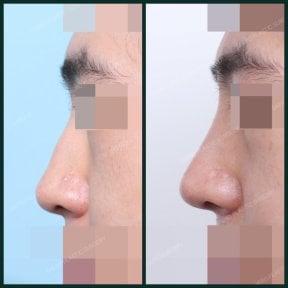
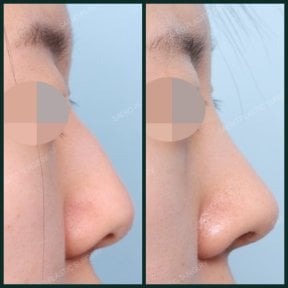
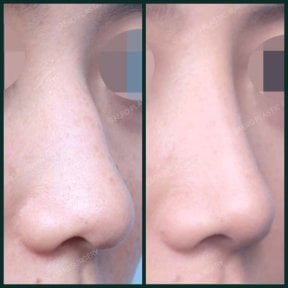
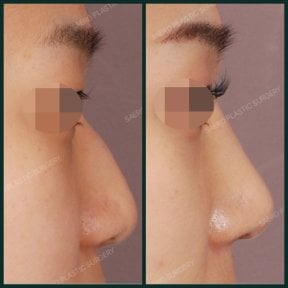
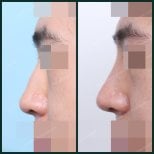
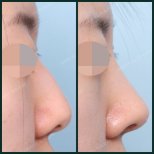
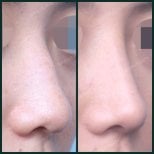
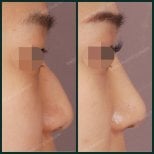
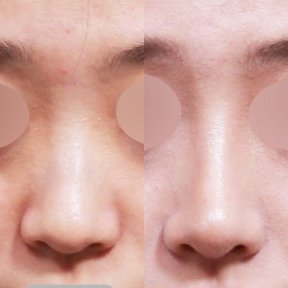
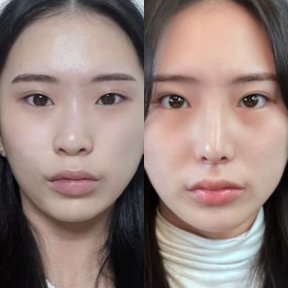
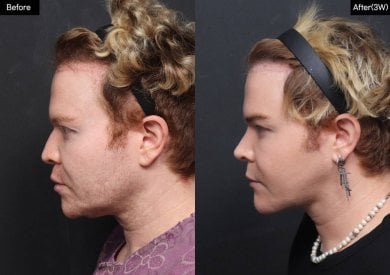
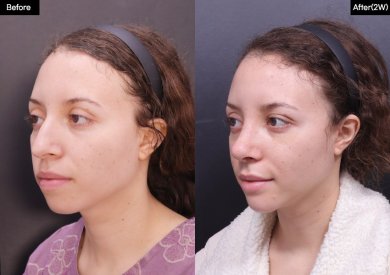
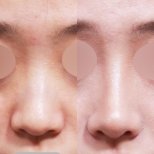
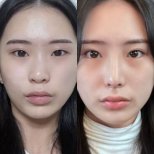
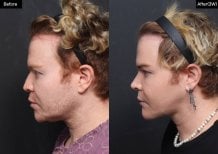
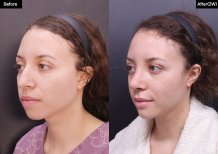
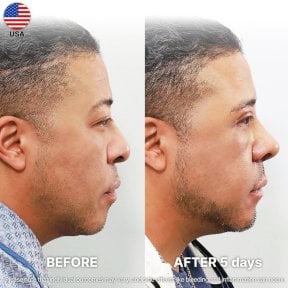
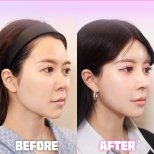
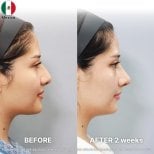
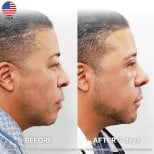
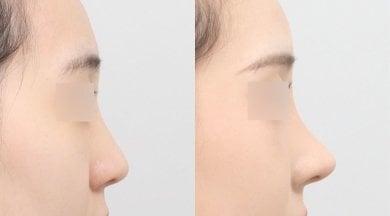
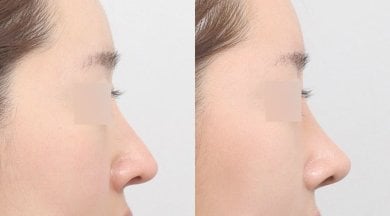
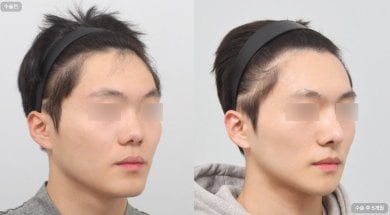
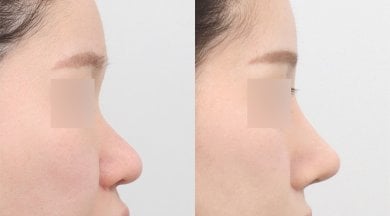
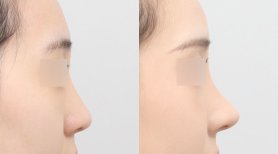
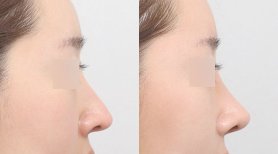
South Korea performs more rhinoplasty procedures per year than any other country in the world. Bookimed partners with 25+ verified clinics in Seoul, with packages starting from $4,300 – up to 70% less than in the US or UK. But price alone doesn't explain why patients from over 47 countries choose Korean clinics. The clinical standards, safety legislation, and surgeon specialization here are genuinely different. This guide covers what that actually means for you as an international patient.
How to Verify Your Surgeon's Credentials and Avoid Ghost Surgeries
Most clinic listing pages tell you to look for a "board-certified" surgeon and leave it there. That label is easy to misuse in South Korea. And for patients under general anesthesia, the stakes are real.
What is ghost surgery, and is it still a risk?
Ghost surgery is when a primary surgeon gets replaced by an unlicensed practitioner or assistant while the patient is unconscious. Between 2008 and 2014, an estimated 100,000 patients were affected by this practice in South Korea, with several fatalities documented. High-volume, profit-focused clinics drove it during the country's rapid medical tourism growth. That era is over. But knowing why it happened tells you a lot about how Korea rebuilt its system.
South Korea has since passed some of the strictest surgical accountability laws in the world. Since 2023, CCTV cameras must operate in all surgical rooms where general anesthesia is used – making South Korea one of the first countries globally to require in-OR surveillance. These are real patient protections, not marketing language.
How to verify your surgeon before booking
A board-certified plastic surgeon in Korea must complete six years of medical school, a one-year internship, a four-year specialty residency in plastic and reconstructive surgery at a university hospital, and pass a national board exam. The title is legally protected. A general practitioner cannot legally display it. Board certifications come from the KSPRS (Korean Society of Plastic and Reconstructive Surgeons), and Bookimed verifies credentials for every clinic in its partner network before listing.
All board certifications, specialization records, and clinic accreditations appear directly on Bookimed clinic and doctor profiles. You don't need to cross-reference external registries.
Clinic accreditations that matter for foreign patients
When choosing between clinics, two accreditations carry real weight for international patients:
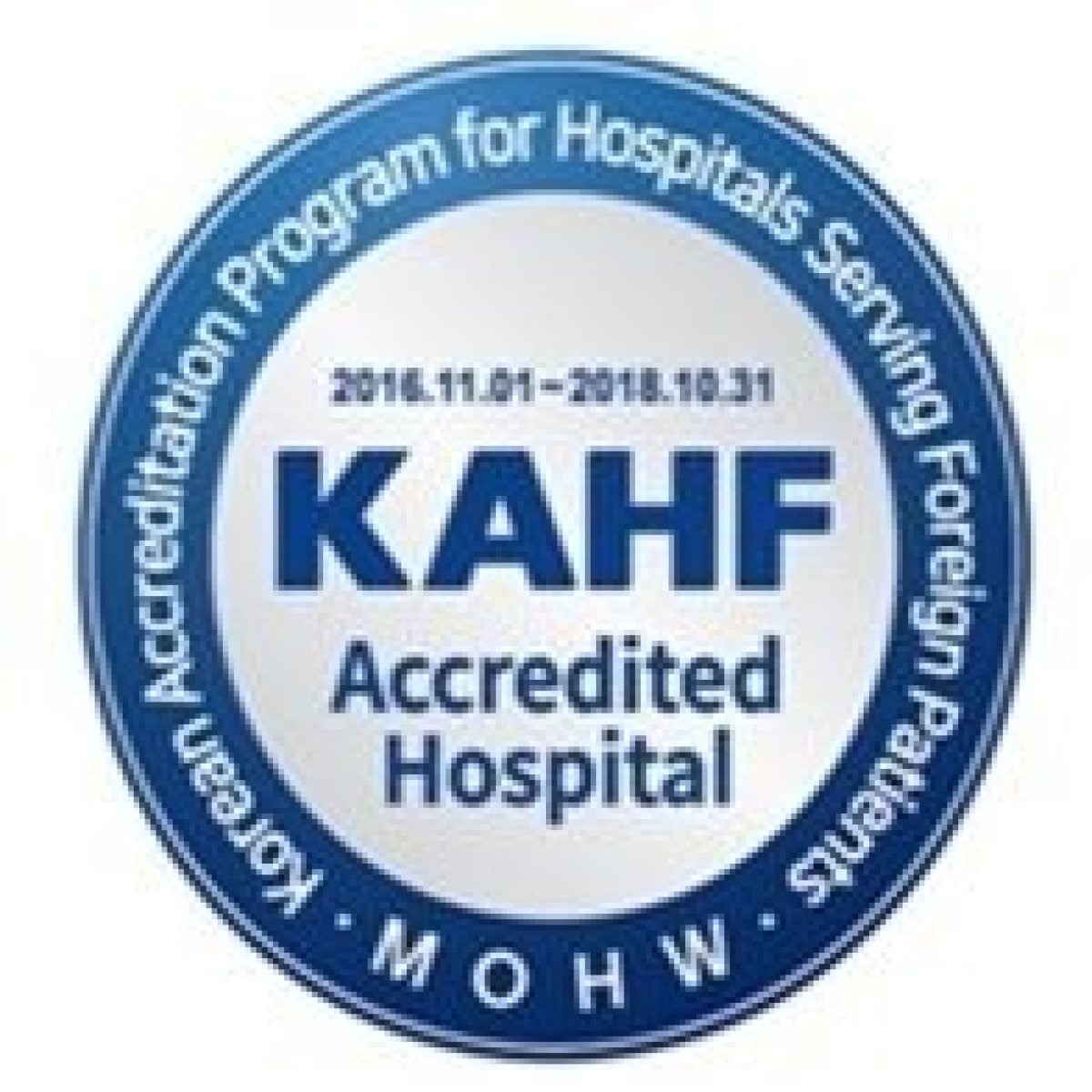
- KAHF (Korean Accreditation Program for Hospitals Serving Foreign Patients) – a government evaluation covering 149 criteria: 93 patient safety items (infection control, sterile ORs, emergency ICU readiness, malpractice insurance) and 56 items specific to foreign patient care (interpreter services, translated consent forms, complaint handling). On-site physical inspection is required. It's not a document-only certification. Medical Korea maintains the official registry of KAHF-accredited hospitals. Among Bookimed's partner clinics, JK Plastic Surgery Center and AB Plastic Surgery hold KAHF accreditation.
- KOIHA accreditation – a separate quality and safety certification aligned with international standards, held by VG Plastic Surgery, Returning Plastic Surgery, and Onlif Plastic Surgery Korea.
- MOHW registration – only clinics registered with South Korea's Ministry of Health and Welfare can legally treat foreign patients. Medical Korea's hospital registry is the official database, searchable by clinic name and specialty.
Worth knowing: Before surgery day, confirm your surgeon's name appears on the operating schedule. It takes 30 seconds and adds a concrete layer of accountability.
Rhinoplasty isn't right for everyone. Patients under 18 should wait until nasal development is complete. Those with active infections, uncontrolled bleeding disorders, or significant body dysmorphic disorder should speak with a physician before scheduling. Smokers face elevated healing complications and are typically asked to stop 4–6 weeks before surgery. Patients on blood thinners (aspirin, warfarin, or NSAIDs) need to discontinue them under physician guidance before the procedure.
Silicone vs. Your Own Cartilage: What the Clinical Evidence Actually Shows
Rhinoplasty packages in Korea range from $4,300 to over $7,200 according to Bookimed data. The main driver of that price difference isn't the surgeon's seniority – it's the material used inside your nose.
The clinical case against cheap silicone
Silicone implants are the least expensive option and the most common choice at budget clinics. They're easy to shape and quick to place. The clinical problem is that silicone doesn't integrate with human tissue. Over time, the body wraps it in fibrous scar tissue (a capsule that forms around the implant).
Thinner nasal skin is common in many Asian anatomy types. For these patients, the encapsulation creates a risk of the implant becoming visible through the skin or, in rare cases, pushing through entirely.
A systematic review and meta-analysis published in the Annals of Palliative Medicine analyzed over 1,200 rhinoplasty patients and found that autologous cartilage (tissue harvested from the patient's own body) results in 66% lower complication rates and fewer secondary surgeries compared to silicone. A separate meta-analysis on PubMed comparing autologous costal cartilage with synthetic materials confirmed lower revision and complication rates across multiple categories favoring the patient's own tissue.
Why autologous cartilage costs more
Autologous cartilage carries a 0% risk of immune rejection. The tissue is yours. When harvested from the rib, it requires a second surgical site at the chest wall, which adds operating time and complexity. That's why procedures using rib cartilage cost more: the difference reflects real surgical work, not margin.
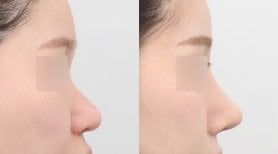
To cut revision rates, leading Korean clinics use 3D-CT imaging to pre-plan every case. Our data shows Korean rhinoplasty clinics achieve revision rates of 10–15%, compared to 20–30% typical of Western facilities. PMC clinical data also confirms this: patients who need corrective surgery after silicone implant issues are routinely treated with autologous rib cartilage reconstruction. Cartilage is the validated long-term solution either way.
| Material |
Rejection Risk |
Visibility in Thin Skin |
Revision Rate |
Typical Price (Korea) |
| Silicone |
Moderate (capsular formation) |
High |
Higher |
From $2,000 |
| Gore-Tex |
Low |
Low |
Moderate |
From $3,500 |
| Autologous Cartilage (own tissue) |
None |
Lowest |
Lowest |
From $4,300 |
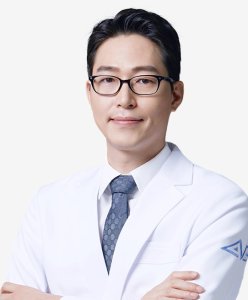
Dr. Yong Woo Kim at Returning Plastic Surgery, who achieved the top score in the Korean Society of Plastic and Reconstructive Surgeons' residency board exam, specializes in rhinoplasty using autologous cartilage techniques. His packages start at $4,300 and include a CT scan for pre-surgical structural analysis.
Korea Rhinoplasty Budgeting: What Changed and What Hasn't
Important update: Effective January 1, 2026, South Korea officially abolished the 10% VAT refund for foreign patients undergoing cosmetic and aesthetic procedures. No airport tax refund will be issued for rhinoplasty or any other cosmetic surgery booked from this point forward.
Some clinic pages and travel blogs still advertise a "7%–10% tax refund at Incheon Airport." That information is outdated. Patients who budget based on it will arrive expecting a refund that no longer exists. VAT refund claims for procedures paid in 2025 may still be processed until March 2026 under previous conditions, but this doesn't apply to new bookings.
The savings case for Korea remains strong without the refund. According to Bookimed data, rhinoplasty in Korea ranges from $4,300 to $7,200, compared to $10,000–$22,000 in the US and $10,200–$14,000 in the UK. That's a saving of 57–80% compared to US pricing.
To budget accurately, request itemized quotes in KRW that break out surgeon fee, anesthesia fee, facility and OR fee, and implant or material cost separately. All-inclusive totals can hide where costs are concentrated. Get two or three comparable quotes in KRW before deciding. It's the most reliable way to compare true procedure costs.
When Can You Fly Home? What Aviation Physiology Means for Your Recovery
Korean clinics consistently recommend a 10–14 day stay in Seoul. This isn't a commercial push to extend your trip. It's calibrated to cover stitch removal on day 7, splint removal, and the first phase of swelling stabilization before you board a long-haul flight.
The 7-10 day rule explained
The American Society of Plastic Surgeons formally states that surgery combined with long-haul flights raises the risk of Deep Vein Thrombosis (DVT – blood clots forming in the leg veins) and pulmonary embolism (a clot that travels to the lungs). Their guidance requires surgeons to advise patients on how long to stay at the surgical location before traveling home.
The ISAPS Patient Safety Committee similarly advises that patients undergoing surgery abroad must be informed of thrombosis risks associated with prolonged air travel post-surgery.
For procedures using rib cartilage, some Korean surgeons extend this to 14+ days. The chest harvest site needs extra stabilization time before cabin pressure changes occur. Don't shortcut this window.
What actually happens in a plane cabin to your healing nose
Airplane cabins maintain humidity at around 12%, lower than most desert environments. This dries healing nasal tissue fast, raising the risk of nosebleeds during ascent and descent. Pressure changes also push fluid into the face, worsening postoperative swelling and straining the healing blood vessels inside the nose.
Post-surgical pain medication combined with turbulence and nausea adds a further complication. Vomiting or severe retching can sharply increase facial pressure and bleeding risk. Not hypothetical. This is the physiological reason the 10-day minimum exists.
Your in-flight checklist
- Use sterile saline nasal spray every two hours throughout the flight.
- Avoid salty airplane food, which promotes fluid retention and rebound facial swelling.
- Walk the aisle at least every 45 minutes to prevent blood clot formation in the legs.
- Wear compression socks for the full duration of the flight.
- Request an aisle seat to make movement easier without disturbing other passengers.
What Patient Protections Exist for International Rhinoplasty Patients in Korea
South Korea has built formal infrastructure to protect international patients. These are legally constituted bodies with actual jurisdiction. Not marketing language.
K-MEDI (the Korea Medical Dispute Mediation and Arbitration Agency) is a public institution under South Korea's Ministry of Health and Welfare that accepts cases from foreign patients. Medical experts and lawyers investigate whether care was negligent and whether a causal link exists between the conduct and the harm. The mediation process typically resolves within 90–120 days.
The Seoul City Foreign Patient Portal provides direct guidance on how to start a claim. The US Embassy in Seoul also maintains a list of English-speaking physicians for American patients who need local medical assistance during recovery.
Before travel, confirm three things in writing with your clinic:
- The clinic's revision policy: under what conditions it applies and for how long.
- Post-operative support options for patients who've returned home (email, video consultation, dedicated English coordinator contact).
- Emergency contact information for after-hours issues during your recovery stay.
Bookimed includes a patient coordinator service. If questions come up after you return home, your Bookimed account gives you a direct escalation path to the coordinating team.
Practical Guide: What to Pack and Where to Stay During Recovery in Seoul
Most rhinoplasty patients in Seoul recover in the Gangnam district, where the majority of specialist clinics are located, including VG Plastic Surgery, JK Plastic Surgery Center, AB Plastic Surgery, and SAERO Plastic Surgery. Stay within 20–30 minutes of your clinic. Follow-up visits in the first 10 days need mobility you won't have for longer journeys.
Where to stay in Seoul
Choose hotels or serviced apartments with elevator access and in-room food delivery. Airbnbs are generally a poor choice for post-surgical recovery: most require multiple flights of stairs, and Korean residential waste management rules involve physical sorting that isn't manageable in the first week post-op.
Soft food is non-negotiable in the early recovery phase. Hard chewing strains the muscles connected to facial healing. Bonjuk, a Korean porridge chain with locations throughout Gangnam, is a practical, low-effort option. Most hotels near the clinic district can also arrange room-service soup and soft meals.
What to pack
Two clothing rules matter:
- Pack only zip-up or button-up shirts. Pulling any garment over your head isn't possible for at least two weeks after surgery. Bring enough button-front tops or zip-up hoodies for your full stay.
- Bring contact lenses or a forehead-tape setup for glasses. No glasses or sunglasses may rest on the nasal bridge for 4–8 weeks after splint removal; the weight can permanently indent healing bone and cartilage. Patients with strong prescriptions should plan this in advance.
Additional recovery items:
- U-shaped travel neck pillow, for sleeping elevated at 30–45 degrees, which cuts overnight swelling accumulation.
- Sterile saline nasal spray. Pack more than you think you need; you'll use it constantly.
- Arnica tablets and topical arnica gel, often used from day 2 post-op to help reduce bruising. Ask your surgeon before starting; arnica may interact with anticoagulants prescribed post-surgery.
- Ice packs or a facial cooling mask for the first 48–72 hours.
- Compression socks for the return flight.
- Mild, fragrance-free facial soap.
Note: AB Plastic Surgery provides multilingual support in 9 languages and hotel assistance coordination for international patients, which helps if you're handling logistics solo.