Rhinoplasty (nose job) in Italy — get 3 top clinic matches with costs
Rhinoplasty in Italy costs $4,200 to $8,800, about 27% less than the US average of $8,900 (Bookimed data, November 2026). Bookimed lists 3 rhinoplasty clinics in Italy, in Milan, Rome, and Turin. These clinics are rated 4.6/5 in 73 verified patient reviews on Bookimed.

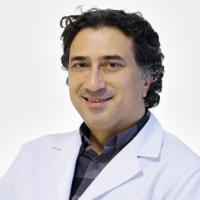
Medically reviewed by
Ergin Er
How it works
How Much Does Rhinoplasty (nose job) Cost in Italy?
Rhinoplasty in Italy typically costs from $4,200 to $8,800. The final price depends on the surgical technique, the clinic location, and the surgeon expertise. In the US, similar procedures cost around $8,900 on average. Patients save around 27% compared to US prices. The cost usually includes the surgeon fee, anesthesia, hospital stay, and follow-up check-ups.
- Revision rhinoplasty: $6,200 to $9,800 for correcting previous nasal surgeries.
- Tip rhinoplasty: $3,900 to $5,600 for reshaping the nasal apex only.
- Open rhinoplasty: $5,600 to $8,800 for complex structural nasal reshaping.
- Closed rhinoplasty: $4,900 to $8,200 for procedures performed through internal incisions.
- Regional variations: Costs in Milan or Turin typically run 15-20% higher than in Bari.
Bookimed Expert Insight: Choosing a clinic in Milan offers access to world-renowned institutions like San Raffaele. Higher prices at La Madonnina Clinic reflect a premium for privacy and celebrity-grade service. Savvy patients look to Bologna, where experts like Dr. Fabio Meneghini pioneer ultrasonic rhinoplasty. This advanced technique uses vibration to shape bone precisely and potentially reduces postoperative swelling. Italy remains a top choice for combines functional and aesthetic excellence with high standards.
| Italy | Turkey | The USA | |
|---|---|---|---|
| Rhinoplasty (nose job) | from $4,200 | from $1,800 | from $6,000 |
| Wide Nose Rhinoplasty | ≈ $5,400 | from $5,000 | ≈ $8,000 |
| Ultrasonic rhinoplasty | ≈ $5,400 | from $2,700 | ≈ $8,500 |
| Tip rhinoplasty | ≈ $3,900 | from $1,500 | from $5,000 |
| Revision rhinoplasty | ≈ $6,200 | from $2,500 | from $8,000 |
Discover the Best Rhinoplasty (nose job) Clinics in Italy: 11 Verified Options and Prices



La Madonnina Clinic











Doctor’s Equipe Microfat Clinical Centers




Santa Caterina da Siena
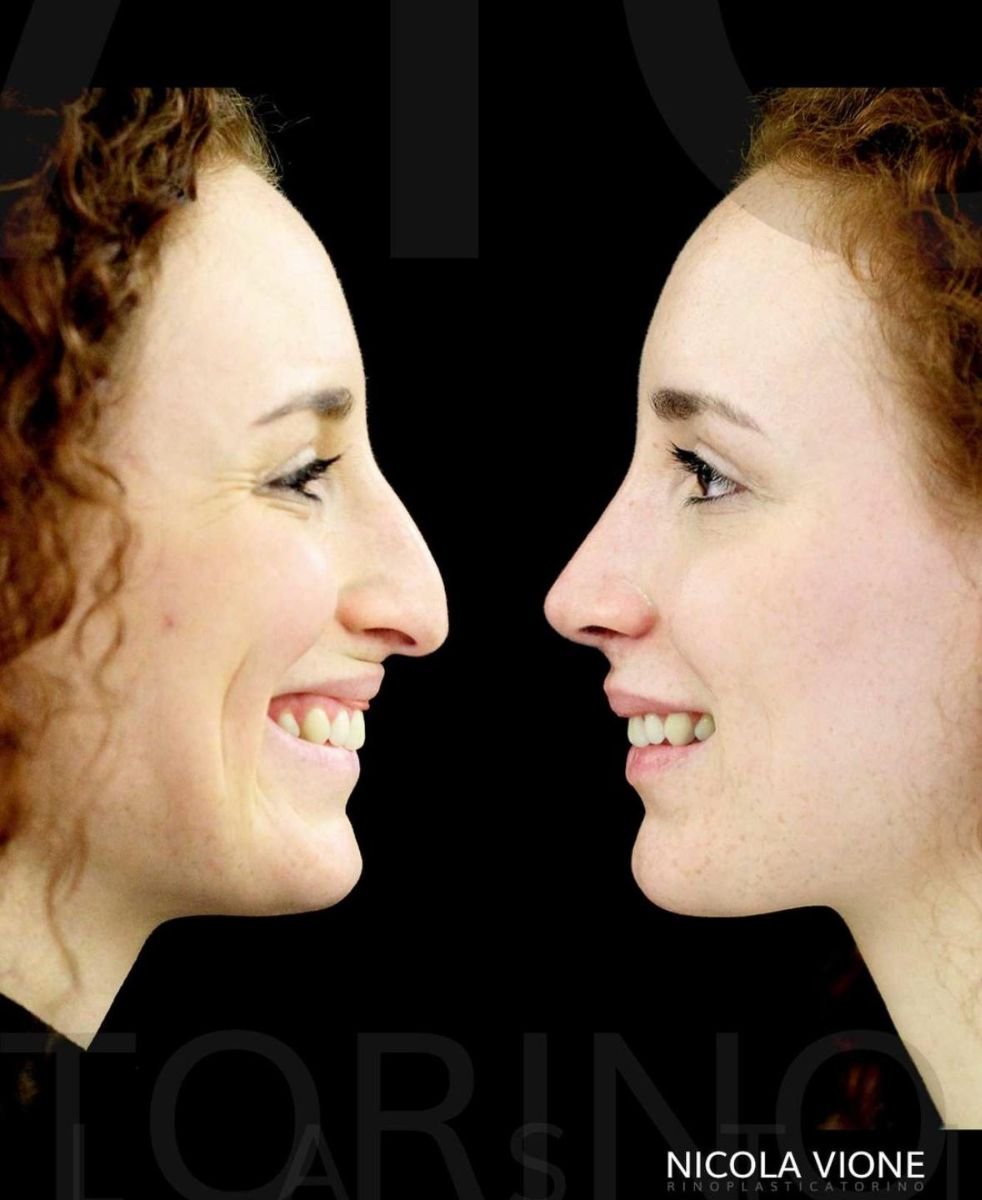
Nicola Vione




Rhinoplasty (nose job) in Italy: Your Travel Plan
Day 1: Arrival in Italy
- Upon landing in Italy, you should have all necessary documents ready, including your passport and any medical records requested by the clinic.
- Contact the clinic's International Office to confirm your arrival and arrange transportation to your accommodation.
- Rest and acclimate to the local time zone to ensure you are well-rested for your pre-operative consultation and tests.
Day 2: Pre-operative Consultation and Tests
- Attend a scheduled consultation with your surgeon. For example, if you are consulting with Dr. Dino Zilio, review his profile and prepare any questions.
- Undergo pre-operative tests as required. These may include blood tests, nasal endoscopy, or imaging like CT scans to assess nasal structure.
- Discuss the specifics of your procedure, such as whether you will undergo traditional rhinoplasty or advanced techniques like ultrasonic rhinoplasty, which uses high-frequency ultrasonic waves for precision.
- Confirm the surgical plan and discuss any potential risks or complications with your surgeon.
Day 3: Surgery Day
- Arrive at the clinic at the designated time. Ensure you are fasting if instructed to do so.
- The procedure may involve techniques such as ultrasonic rhinoplasty, which minimizes trauma and offers a smoother outcome.
- Post-surgery, you will be monitored in a recovery room before being transferred to your private room for overnight observation.
- Ensure you have arranged for someone to accompany you post-surgery, as you may experience grogginess or discomfort.
Day 4: Post-operative Care and Discharge
- Receive instructions on post-operative care, including how to manage swelling and discomfort. This may involve prescribed medications and cold compresses.
- Discuss follow-up appointments and any necessary lifestyle adjustments, such as avoiding strenuous activities and wearing glasses.
- Discharge from the clinic with detailed care instructions and emergency contact information for the clinic.
Day 5-7: Initial Recovery Period
- Rest at your accommodation, adhering strictly to post-operative care instructions.
- Monitor for any signs of complications, such as excessive bleeding or infection, and contact the clinic immediately if these occur.
- Gradually resume light activities as advised by your surgeon, avoiding any pressure on the nose.
Day 8-14: Follow-up and Continued Recovery
- Attend a follow-up appointment with your surgeon to assess healing and remove any sutures or splints if applicable.
- Discuss any concerns or questions with your surgeon, including the expected timeline for final results.
- Begin to see a reduction in swelling and bruising, with continued adherence to care instructions.
Day 15: Preparing for Departure
- Ensure you have all necessary documentation for your return trip, including medical clearance if required by your airline.
- Confirm any remaining follow-up appointments, which may be conducted virtually if you are returning home.
- Pack any medications or care supplies needed for continued recovery at home.
Day 16: Return Home
- Travel back home, ensuring you follow any travel restrictions or guidelines related to post-surgical care.
- Continue to monitor your recovery and maintain contact with your surgeon for any concerns or follow-up care.
- Adhere to all post-operative care instructions to ensure optimal healing and results.
Bookimed, a leading global medical tourism platform, is committed to helping clients looking for Rhinoplasty (nose job) in Italy by offering expert assistance and trustworthy medical solutions for every situation. Smart automatic ranking system is used to compose transparent clinic listings, meticulously maintained by a data scientist using AI for accuracy. The platform guarantees authenticity by publishing reviews from real patients after their treatments. Bookimed offers comprehensive medical solutions, with updates from clinics to ensure trustworthiness. The content about Rhinoplasty (nose job) in Italy, crafted by experienced medical authors and reviewed by specialists, adheres to Bookimed"s Editorial Guidelines, reflecting the platform"s commitment to delivering high-quality and clear health information. For more details or inquiries, feel free to contact us at marketing@bookimed.com or learn more about us and our mission About Bookimed .
Our Doctors
View all DoctorsNicola Vione
Performed thousands of rhinoplasties with excellent results – Dr. Vione specializes in both functional and aesthetic nose surgery.
- 29 years of experience in otorhinolaryngology
- Expert in preservation rhinoplasty for natural results
- Professor at 'Micheli-Pellegrini' Study Center – a top Italian school for facial surgery
- Member of multiple national ENT societies including AICEFF

Fabio Meneghini
Dr. Fabio Meneghini specializes in ultrasonic rhinoplasty – a cutting-edge technique that minimizes bruising and swelling for faster recovery.
- Over 30 years of experience in aesthetic and reconstructive rhinoplasty
- Co-Head of Maxillofacial Surgery at Villa Maria Cecilia Hospital
- Lecturer at the University of Padua with a Master’s in Aesthetic Plastic Surgery
- Member of the Rhinoplasty Society of Europe and European Academy of Facial Plastic Surgery

Domenico Riitano
Dr. Riitano perfected his rhinoplasty technique in Brazil at renowned clinics like Fluminense Clinic of Plastic Surgery 'Niteroi' in Rio De Janeiro.
- Specialized in reconstructive and aesthetic plastic surgery at University of Messina
- Also holds a specialization in Orthopedics and Traumatology
- Graduated in Medicine and Surgery in 1989

Prof Giuseppe Speziale
Dr. Giuseppe Speziale is a cardiac surgeon specializing in minimally invasive valve surgery at Ospedale Santa Maria. He is the National Coordinator of Cardiac Surgery for GVM Care & Research. Dr. Speziale earned the Top Doctors Award for his surgical expertise. He co-founded the Mitral Academy to improve restorative heart surgery techniques.
- Specializes in mitral valve repair and thoracic aortic surgery.
- Performs both on-pump and off-pump myocardial revascularization.
- Author of over 90 scientific publications in journals like the European Journal of Cardiothoracic Surgery.
- Member of the American Association for Thoracic Surgery (AATS).
Video Stories from Bookimed Patients
Reviews about Bookimed: Discover Patients' Insights
All reviewsRhinoplasty (nose job): Before & after photos
View all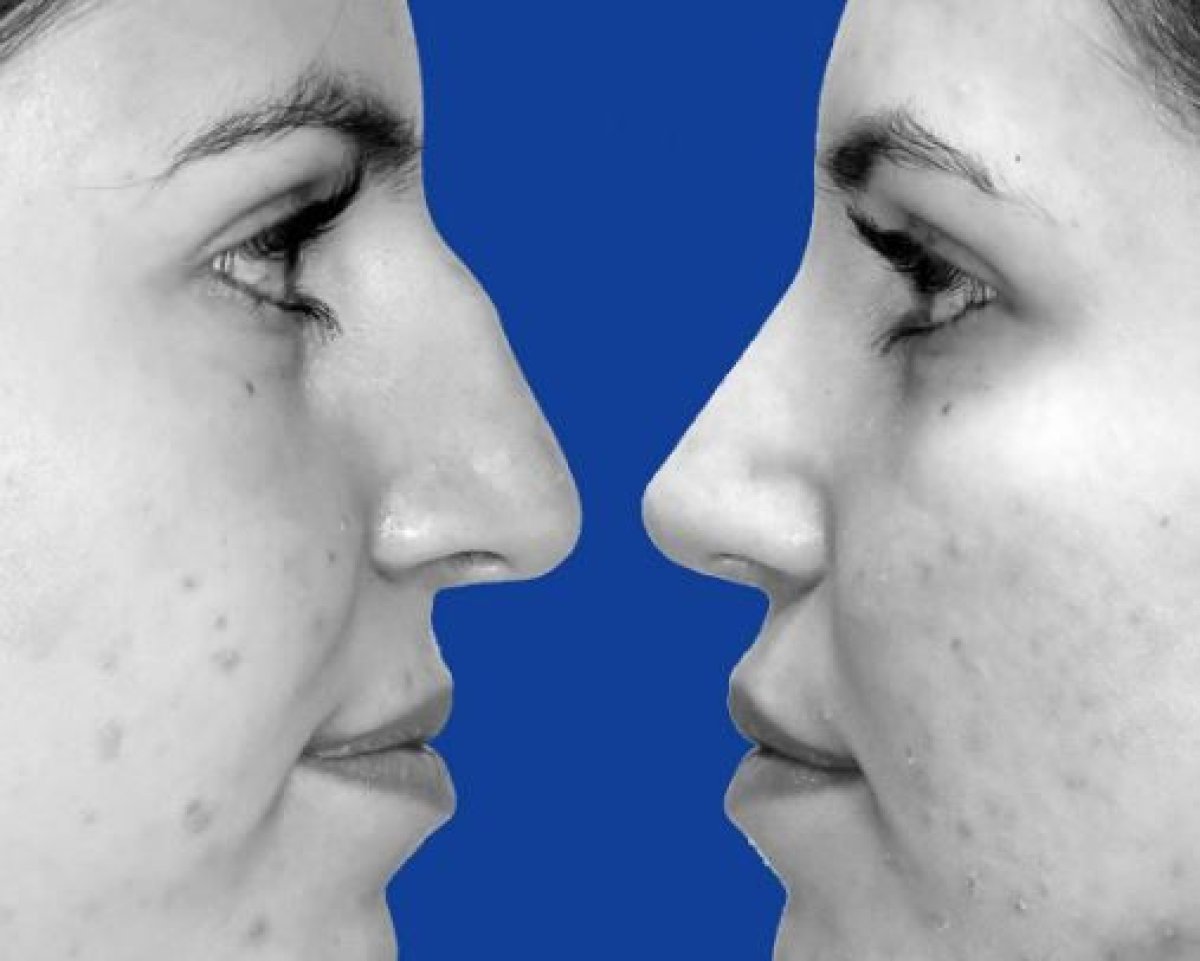
Related Articles
View more
Where to Get Affordable Plastic Surgery — Top 5 Countries
Written by Anna Leonova

Cheapest Rhinoplasty Abroad: Top 4 Countries and Prices
Written by Anna Shchur

Elissa’s Rhinoplasty Journey Blog: From Dream to Reality
Written by Kateryna Zamkovska

Where to Get Rhinoplasty Safely and Successfully—Expert Tips You Need to Know
Written by Anna Shchur

Rhinoplasty Cost in the UK: Comparing Local Options and Alternatives Abroad
Written by Mariia Mytrofankina
Share this content
 Anna Leonova

Our Rhinoplasty (nose job) Techniques: What Suits You Best?
When considering Rhinoplasty (nose job), it’s important to understand the different techniques and which is best suited for you. Here’s a concise comparison of popular options:

Revision Rhinoplasty
Revision rhinoplasty is a surgical procedure to correct or enhance the results of a previous nose surgery.

Tip Rhinoplasty
This procedure focuses on reshaping the nasal tip for improved aesthetics or function.

Closed Rhinoplasty
Closed rhinoplasty is a nasal surgery technique where incisions are made inside the nostrils, leaving no visible scars.

Open Rhinoplasty
A surgical procedure allowing complete access to nasal structures for reshaping.

Ultrasonic Rhinoplasty
Utilizes ultrasonic technology to reshape the nose with precision and minimal trauma.
FAQ about Rhinoplasty (nose job) in Italy
What is the difference between open and closed rhinoplasty?
The difference between open and closed rhinoplasty lies in the incision location and surgical visibility. Open rhinoplasty uses a small external cut across the columella for maximum structural access. Closed rhinoplasty keeps all incisions inside the nostrils, resulting in zero visible scarring and faster initial recovery.
- Open approach: Features a tiny columella incision to lift nasal skin for direct structural viewing.
- Closed approach: Performed entirely through internal nostril incisions with no visible external scarring.
- Procedure precision: Open surgery is preferred for complex revisions, structural grafting, or significant tip reshaping.
- Healing timeline: Closed rhinoplasty typically involves less swelling since internal tissues remain largely undisturbed.
Bookimed Expert Insight: While patients often favor the closed technique to avoid scars, anatomical complexity dictates the choice. Data shows surgeons like Dr. Fabio Meneghini at Maria Cecilia Hospital increasingly use ultrasonic instruments with the open approach. This combination balances high visibility with precise bone sculpting, often reducing the trauma typically linked to open surgery.
Patient Consensus: Many patients find the tiny external scar from open surgery eventually becomes invisible. They emphasize choosing a technique based on your specific anatomy rather than avoiding the columella incision.
Can rhinoplasty fix my breathing issues?
Rhinoplasty can fix breathing issues when combined with functional procedures like septoplasty or nasal valve repair. Surgeons in Italy often perform functional rhinoplasty to correct a deviated septum, enlarged turbinates, or collapsed valves while simultaneously addressing aesthetic concerns.
- Functional corrections: Surgeons perform septoplasty to straighten internal bone and cartilage blocking airways.
- Advanced techniques: Ultrasonic rhinoplasty at Maria Cecilia Hospital precisely reshapes bone without damaging soft tissue.
- Expert specialists: Dr. Nicola Vione in Turin specializes in both otorhinolaryngology and nasal pathology.
- Recovery timeline: Nasal airflow typically improves over several weeks as internal swelling and crusting subside.
Bookimed Expert Insight: While many seek cosmetic changes, choosing a surgeon with dual certification in ENT and plastic surgery is vital. Dr. Fabio Meneghini in Bologna uses ultrasonic tools to avoid traditional hammers and chisels. This precision helps preserve delicate internal structures, ensuring that aesthetic reduction does not compromise your airway volume.
Patient Consensus: Patients emphasize that a smaller nose should never come at the cost of breathing. They value surgeons who perform detailed endoscopy and prioritize structural support alongside cosmetic refinements.
What is ultrasonic rhinoplasty, and is it available in Italy?
Ultrasonic rhinoplasty is a high-precision surgery that uses piezoelectric vibrations to reshape bone without damaging soft tissue. Italy is a global leader in this technique, as the technology was pioneered by Italian surgeon Dr. Massimo Robiony in 2004 for nasal procedures.
- Bone sculpting: Piezoelectric tools vibrate at 3,000Hz to selectively cut bone while sparing skin.
- Reduced trauma: Precise ultrasonic waves significantly minimize post-operative bruising and classic black eyes.
- Recovery time: Most patients return to social activities within 7 to 10 days post-surgery.
- Availability: Specialized clinics in Milan, Rome, and Bologna offer this advanced bone-shaping method.
Bookimed Expert Insight: Italian surgeons like Dr. Fabio Meneghini at Maria Cecilia Hospital pioneered these instruments before they became a global trend. While the technology is excellent for hump removal, remember that tip refinement still requires traditional cartilage techniques. High-volume centers in Milan often bundle this tech with 3D outcome modeling for better predictability.
Patient Consensus: Patients value the significant reduction in bruising and swelling compared to traditional methods. However, many emphasize that surgeon skill in bony refinement remains more important than the electronic tool itself.
What is the general recovery timeline after rhinoplasty?
Most rhinoplasty patients achieve social recovery within 10 to 14 days, though internal healing continues for 1 year. Visible bruising typically fades after 2 weeks, while major structural stabilization takes 6 weeks. Final refinement of the nasal tip often requires 12 months to settle completely.
- First week: Splints and stitches are removed between day 5 and day 10 post-surgery.
- Social return: Patients typically return to work or school after 7 to 14 days.
- Physical activity: Light exercise resumes at 3 weeks, while heavy lifting requires 6 weeks.
- Final contour: Residual swelling in the nasal tip disappears fully after 12 months.
Bookimed Expert Insight: Italian specialists like Dr. Fabio Meneghini at Maria Cecilia Hospital increasingly utilize ultrasonic rhinoplasty. This technique uses precision vibration instead of traditional surgical tools. Data indicates this approach significantly reduces trauma to blood vessels. Choosing this method often results in less bruising and a noticeably faster initial recovery period.
Patient Consensus: The first 3 days are often described as a period of intense congestion rather than sharp pain. Many patients recommend planning 2 full weeks off to ensure all visible bruising has completely cleared.
How long do I need to stay in Italy after rhinoplasty?
You should plan to stay in Italy for 7 to 10 days after rhinoplasty. This duration ensures you are present for the critical splint and cast removal, which typically happens between day 5 and day 10, while allowing nasal tissues to stabilize before air travel.
- Cast removal: Surgeons usually remove the external nasal splint around day 5 to 7 post-op.
- Flight clearance: Most Italian specialists require a physical follow-up visit before clearing you to fly.
- Safety buffer: Staying 10 to 14 days protects against complications like infections or altitude-induced swelling.
- Cabin pressure: Flying before day 7 can cause severe pain or nosebleeds due to pressure changes.
Bookimed Expert Insight: While many luxury clinics in Milan like La Madonnina treat high-profile patients with shorter stays, the most experienced Italian surgeons, such as Dr. Domenico Riitano who has performed 10,000 operations, often advocate for a full 10-day window. This longer stay is particularly vital if you undergo ultrasonic rhinoplasty at centers like Maria Cecilia Hospital, as specific healing milestones must be met before enduring cabin pressure.
Patient Consensus: Patients emphasize that coordinating your departure flight with your cast removal schedule is vital. Most recommend adding 2 extra days as a safety net to avoid the stress of rushing through airports with fresh incisions.