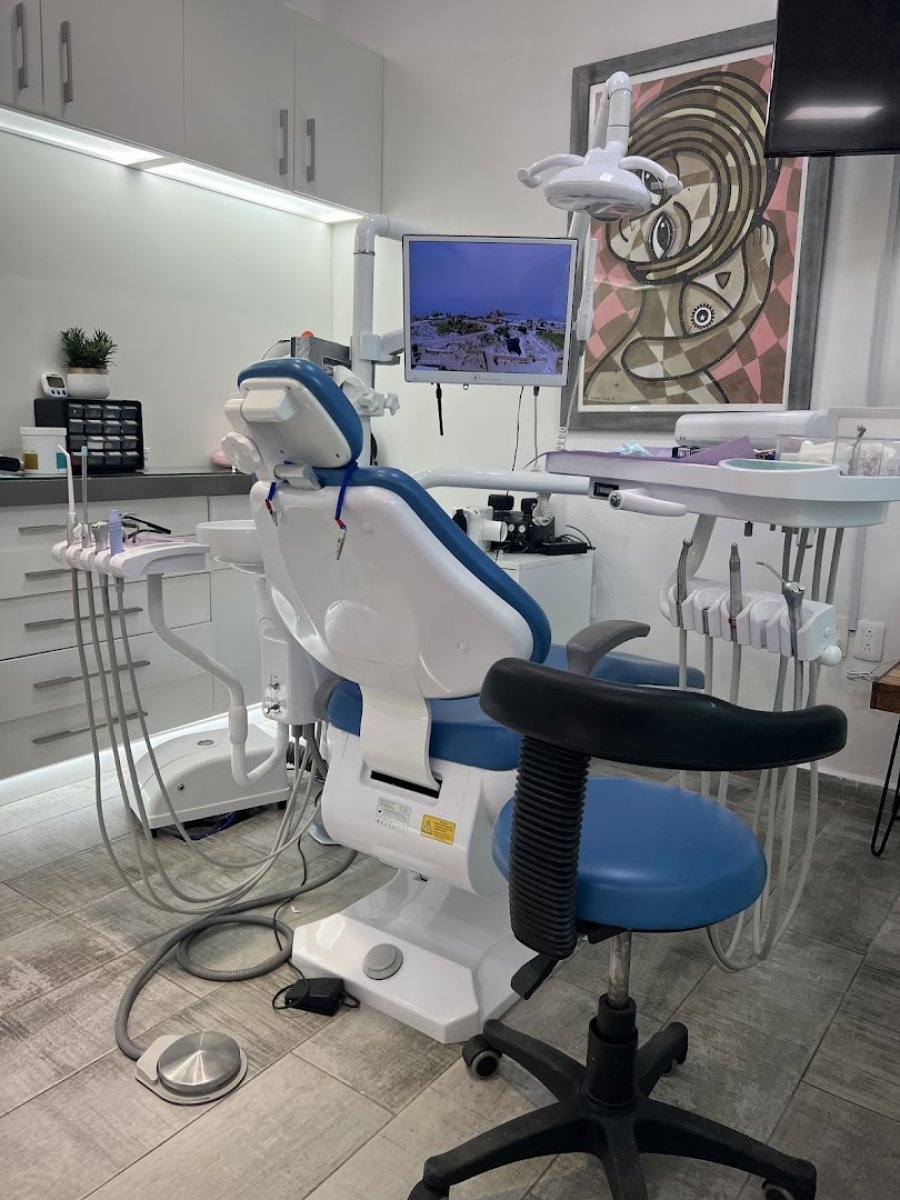
YeahSmile
Mexico, Cancún
Miller Vieira Paula
26 years of experience

Surgeon's portfolio
Clinic is certified : 




Medically reviewed by
Fahad Mawlood
Dental treatment in Mexico typically costs from $340 to $4,700. The total price depends on the specific dental procedure, the materials used for implants or crowns, and the complexity of the restoration. Patients from the United States often save 50-70% on their dental bills by traveling to Mexico for care.
Typical Dental Treatment Costs in Mexico
Popular destinations for dental tourism include Cancun, Tijuana, and Los Algodones. While prices are competitive throughout the country, border cities like Tijuana often offer high accessibility for North American patients. Consult with a dental specialist to receive a detailed treatment plan and accurate cost estimate for your needs.
| Mexico | Turkey | Austria | |
|---|---|---|---|
| Veneers | from $250 | from $120 | ≈ $850 |
| Treatment of pulpitis | from $150 | from $200 | ≈ $280 |
| Treatment of caries | from $40 | from $30 | ≈ $140 |
| Tooth restoration (bonding) | from $50 | from $50 | ≈ $180 |
| Tooth Whitening | from $100 | from $80 | ≈ $280 |
No hidden fees – just official clinic prices. Pay at the clinic for Dental Treatment treatment upon arrival and use a flexible installment plan if needed.
Bookimed is committed to your safety. We only work with medical institutions that maintain high international standards in Dental Treatment treatment and have the necessary licenses to serve international patients worldwide.
Bookimed offers free expert assistance. A personal medical coordinator supports you before, during, and after your treatment, solving any issues. You're never alone on your Dental Treatment treatment journey.




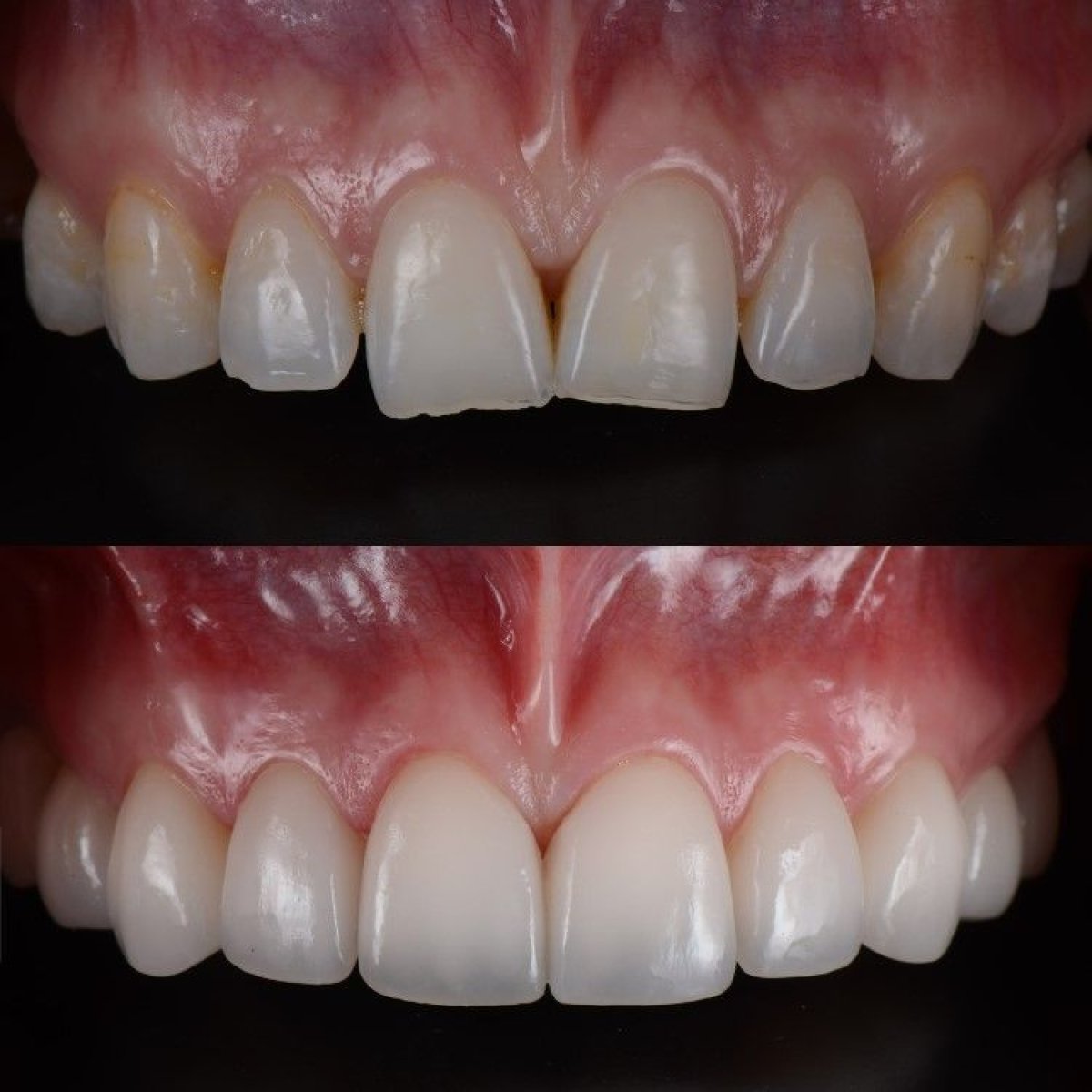
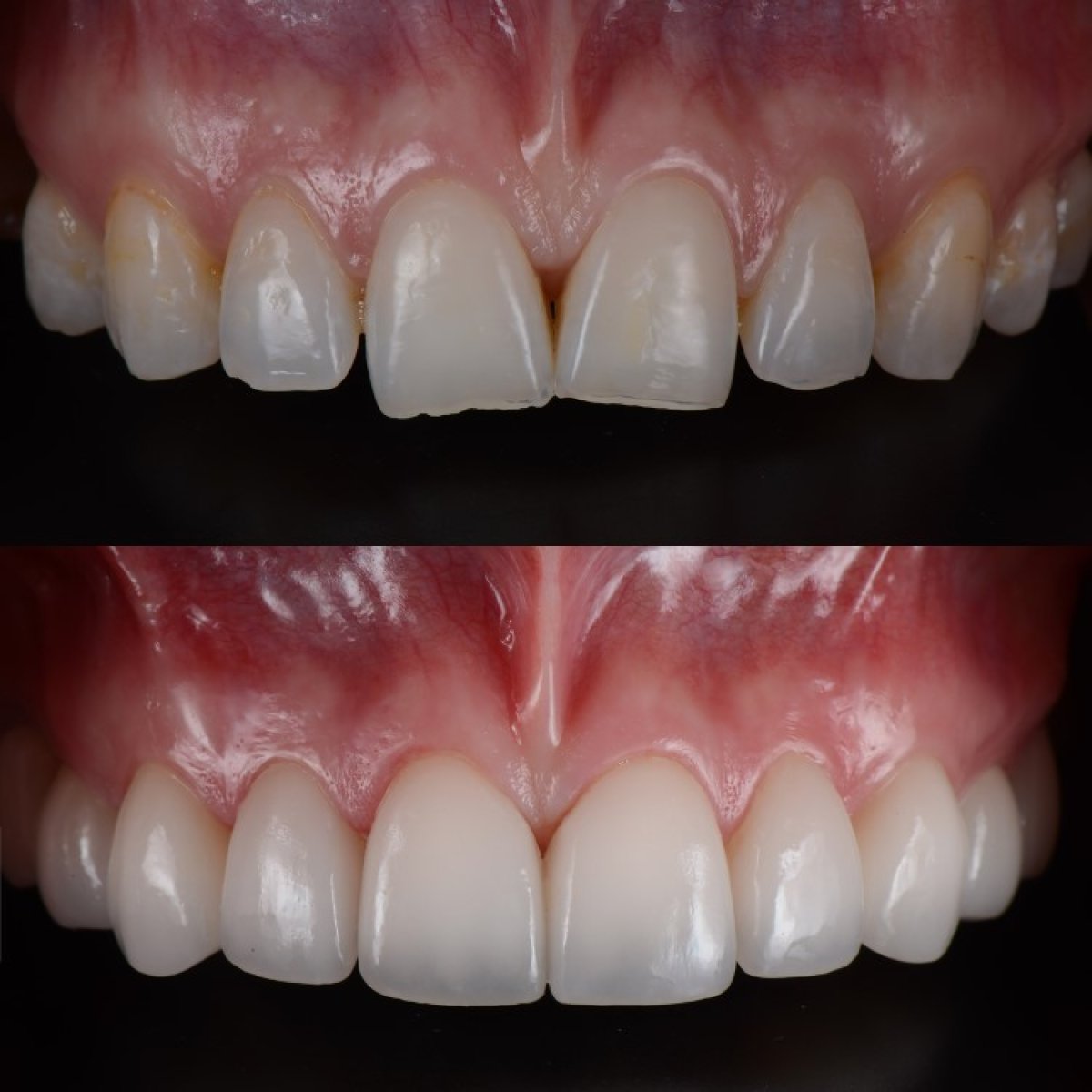
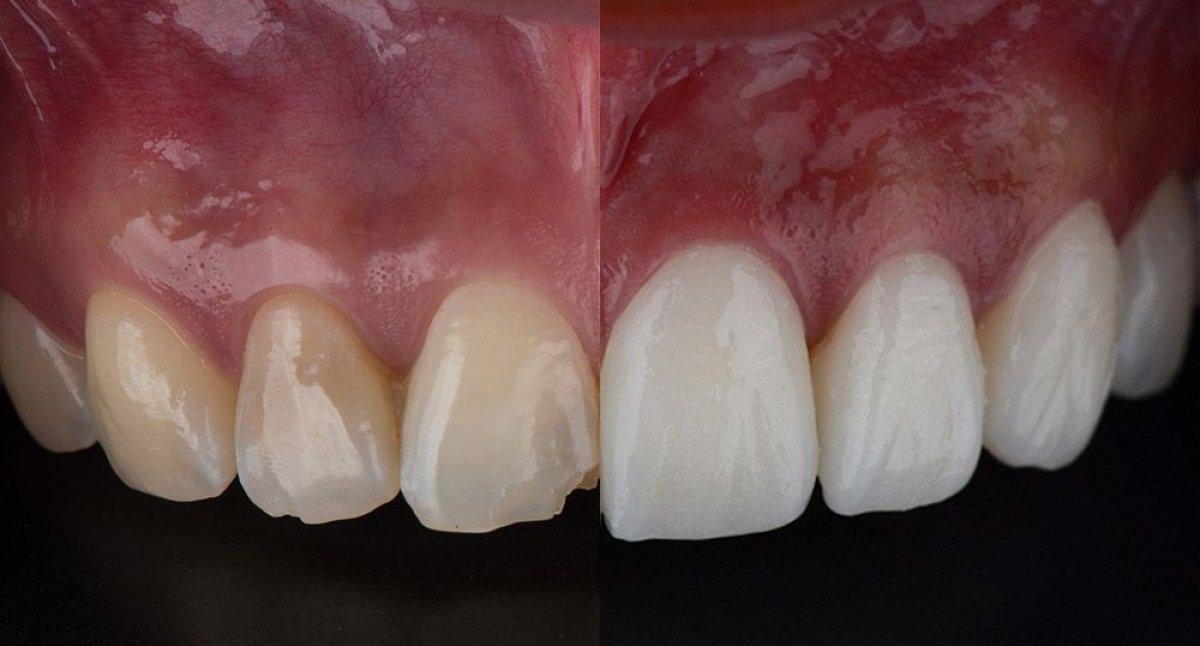
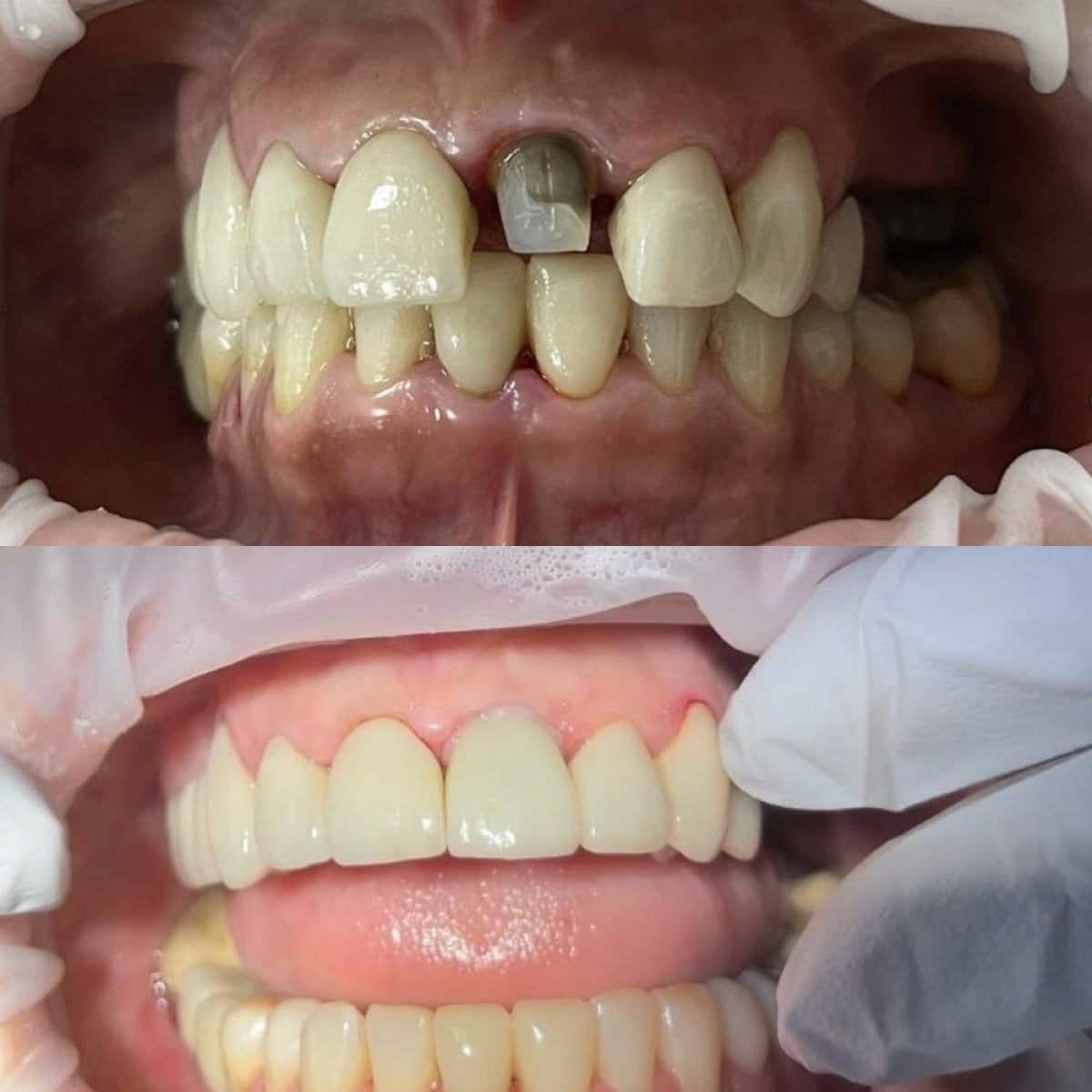
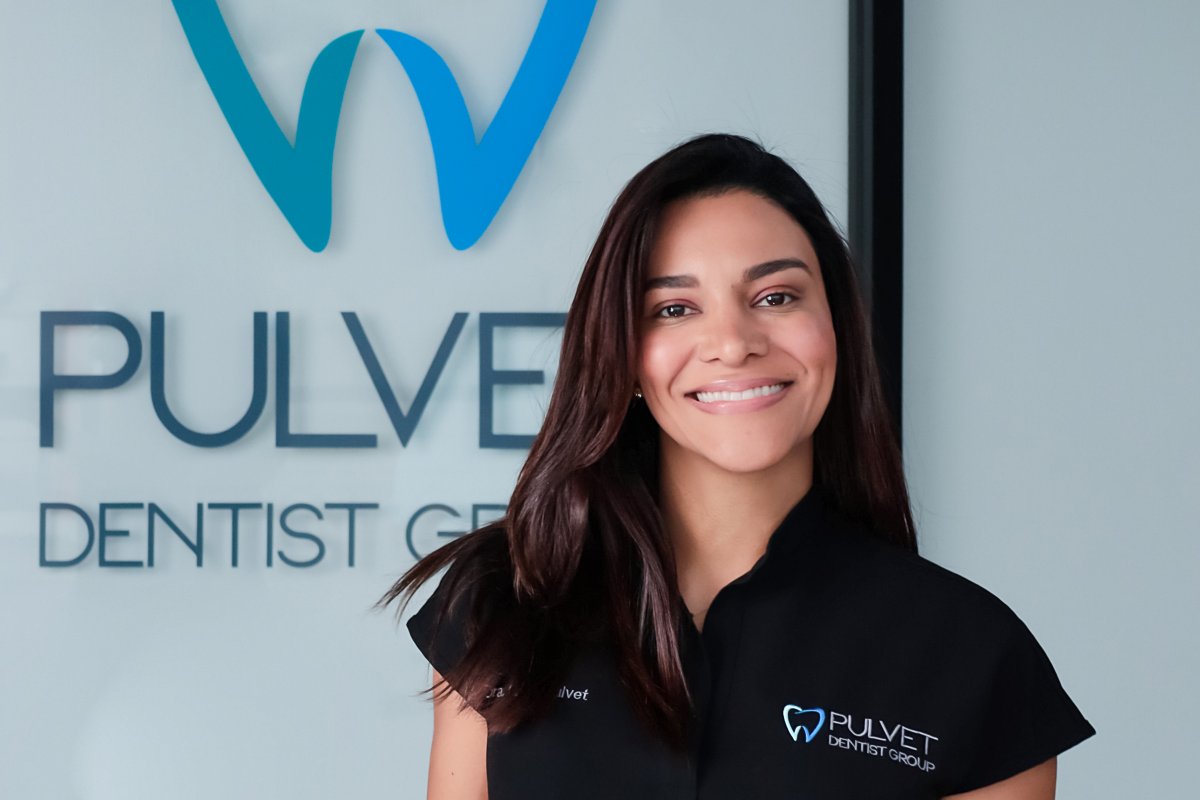
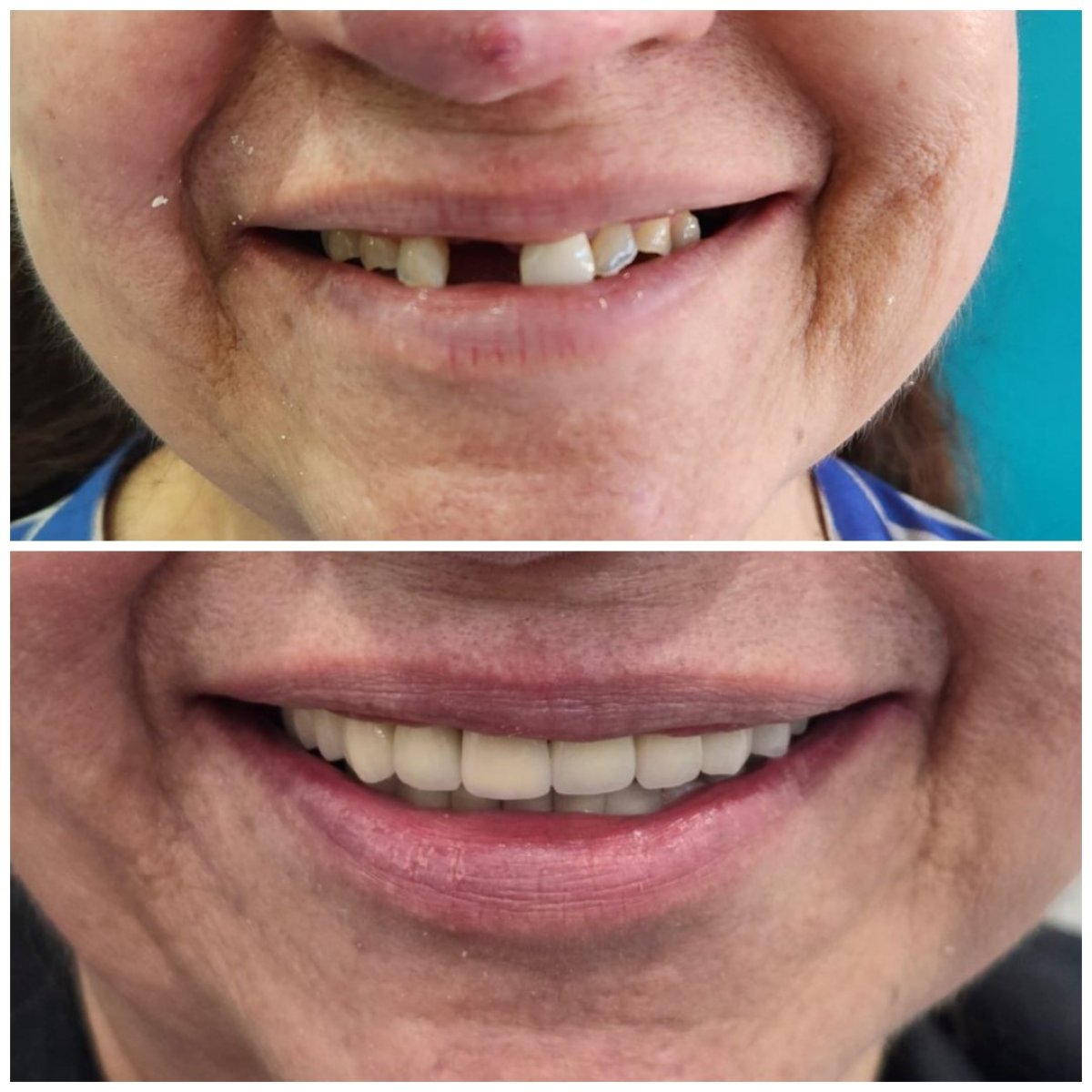
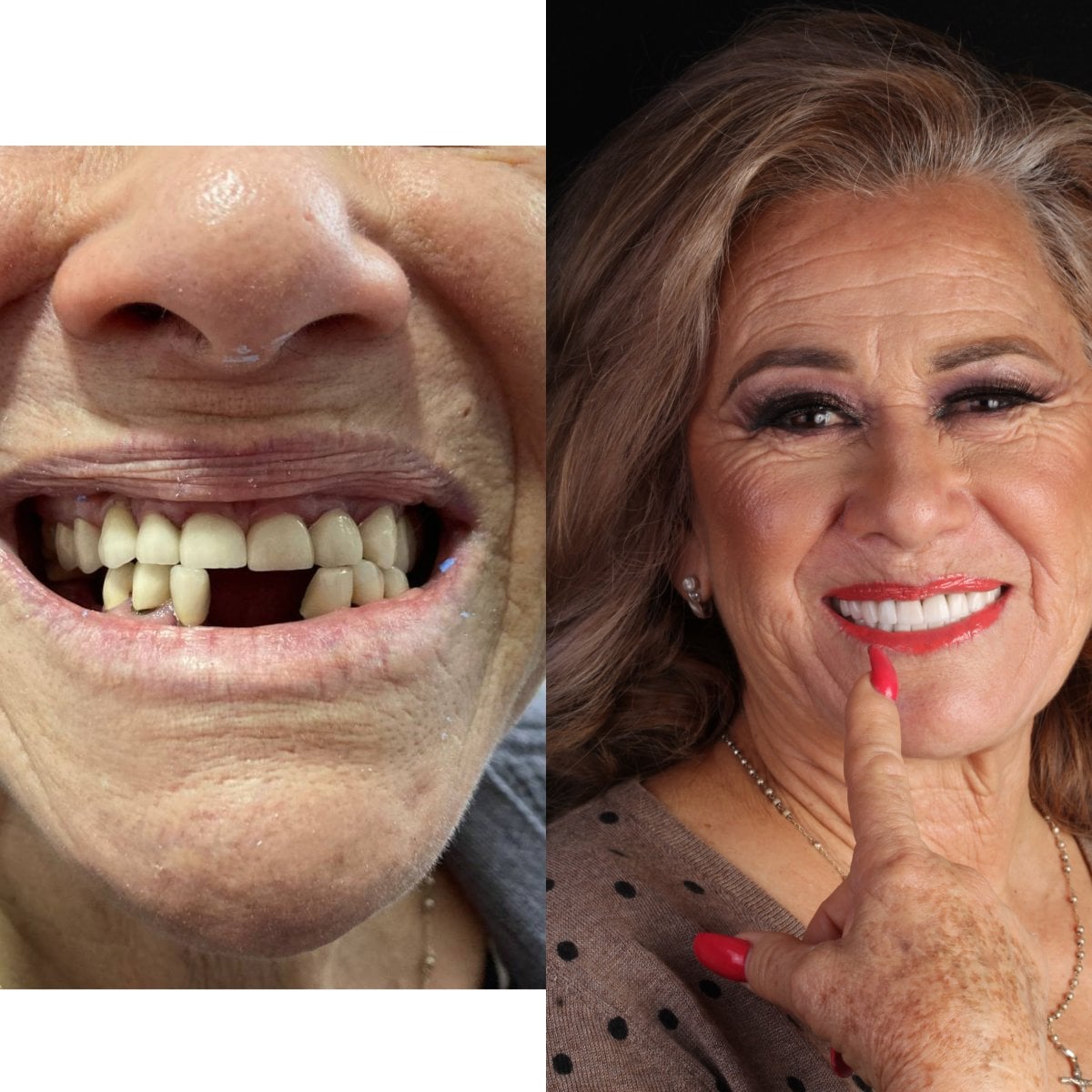
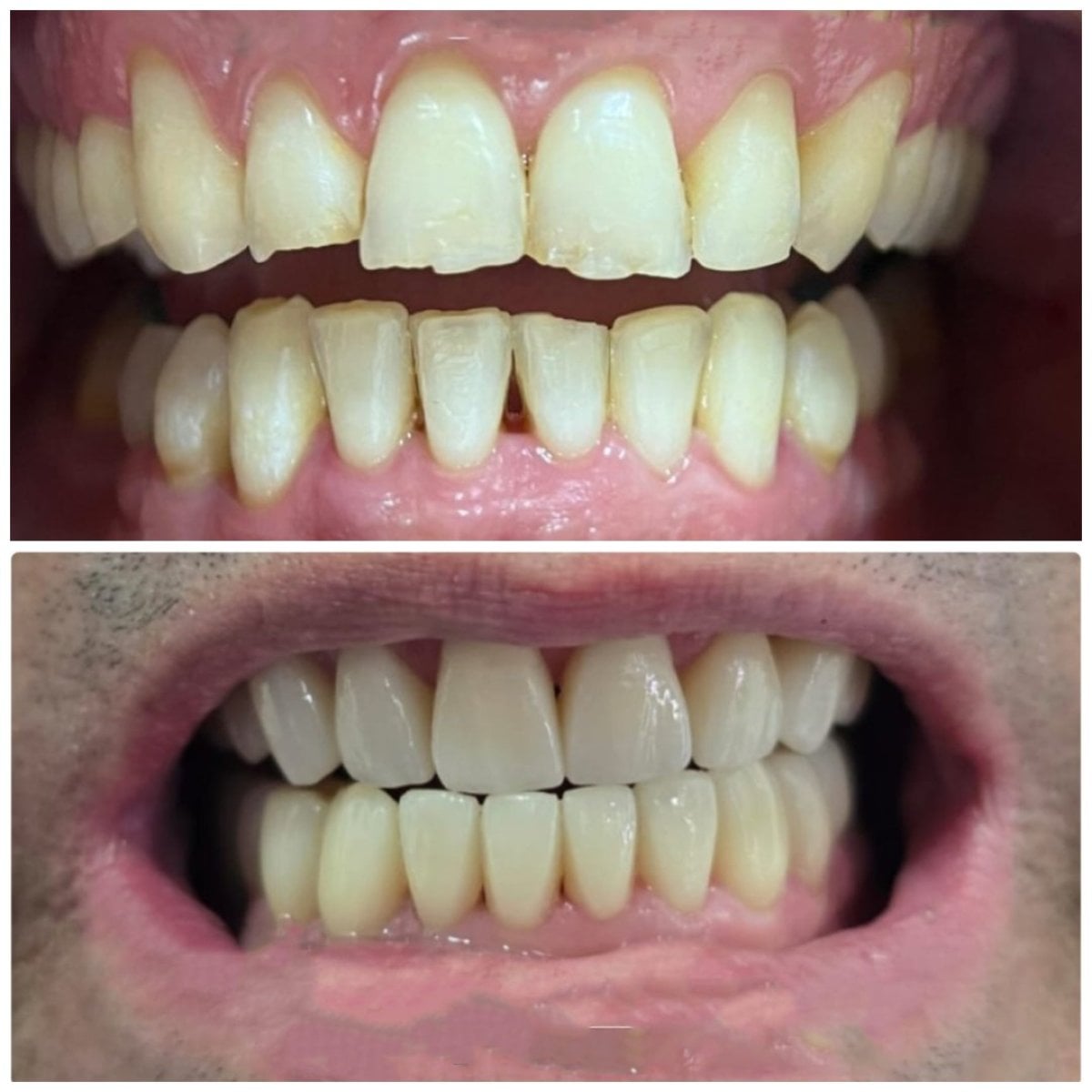
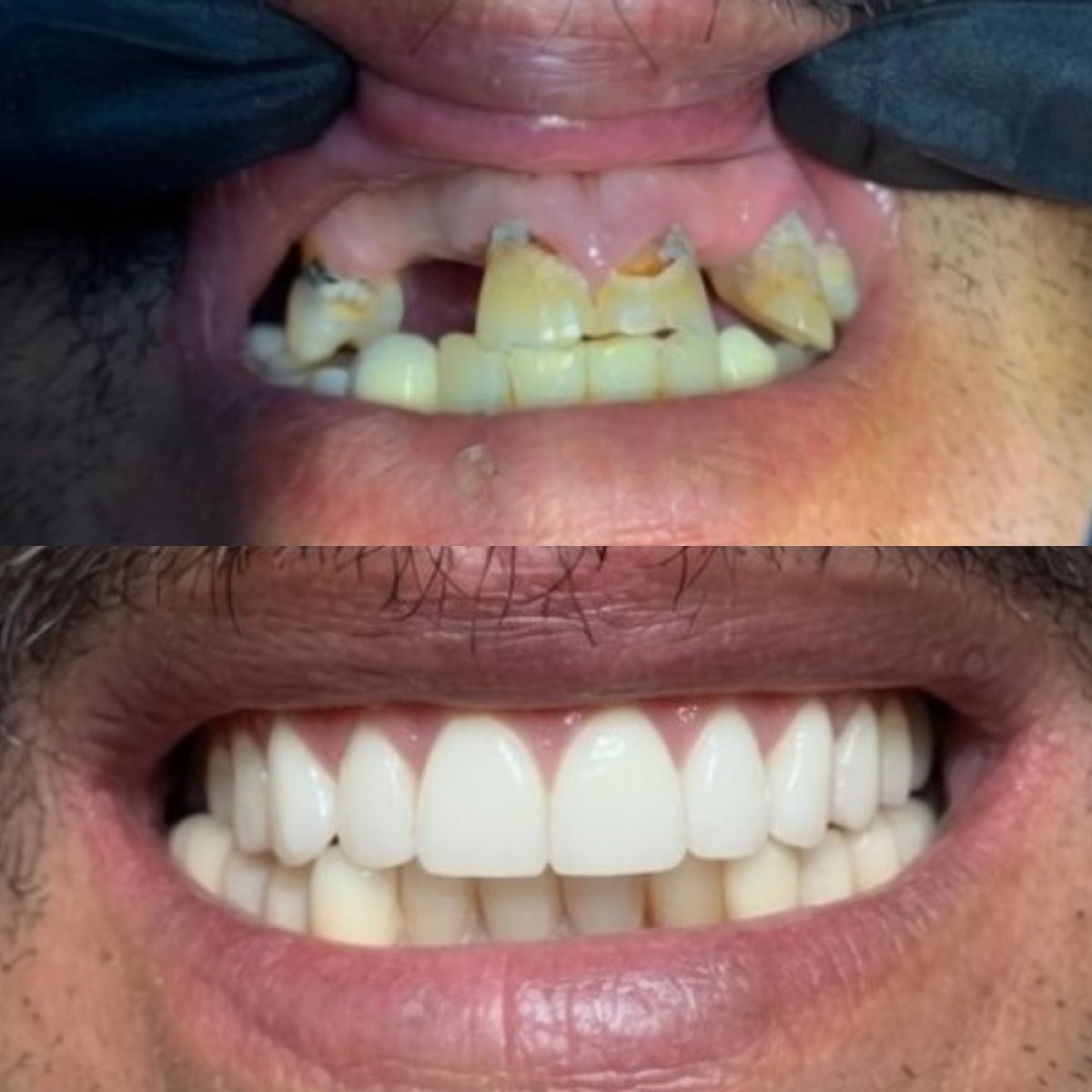
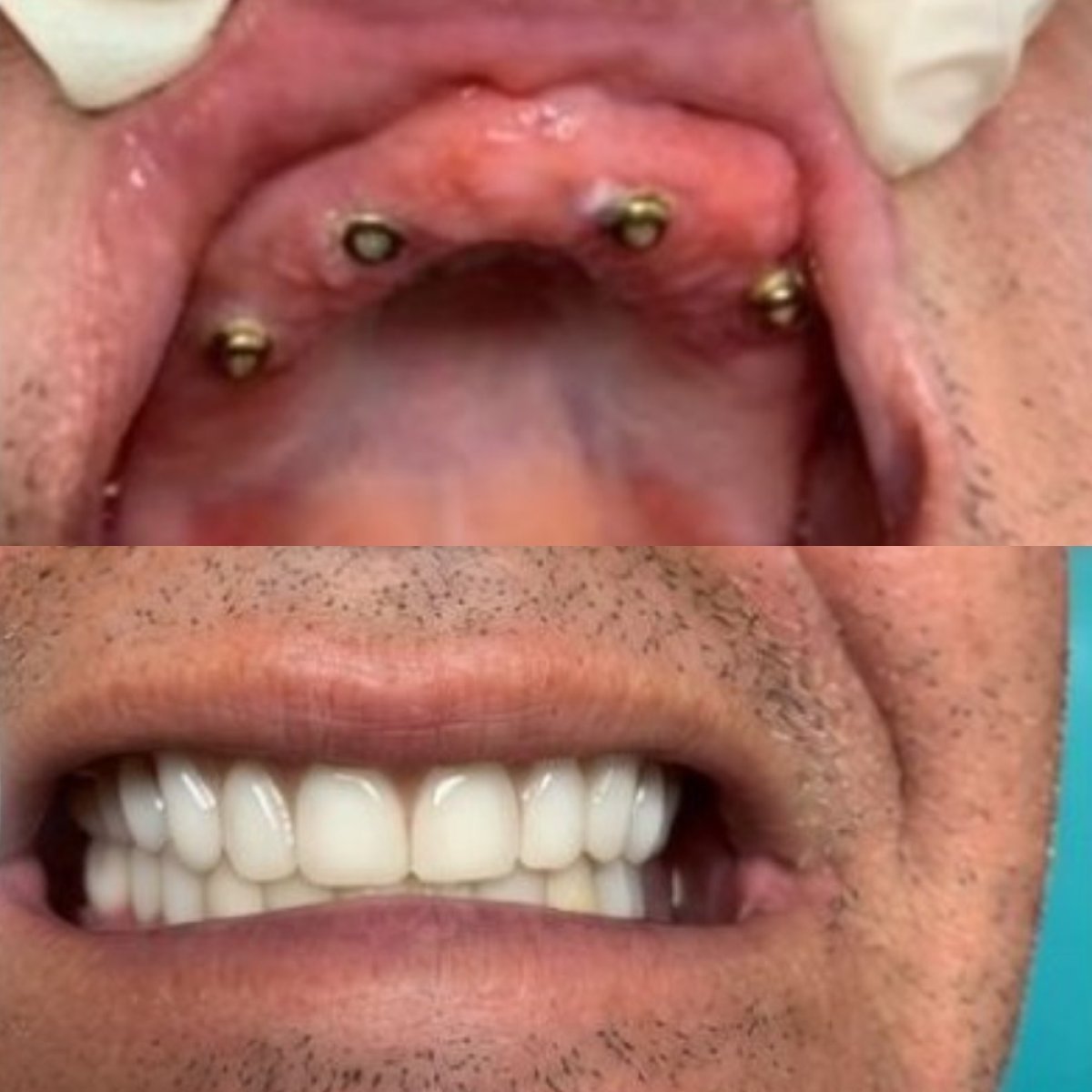
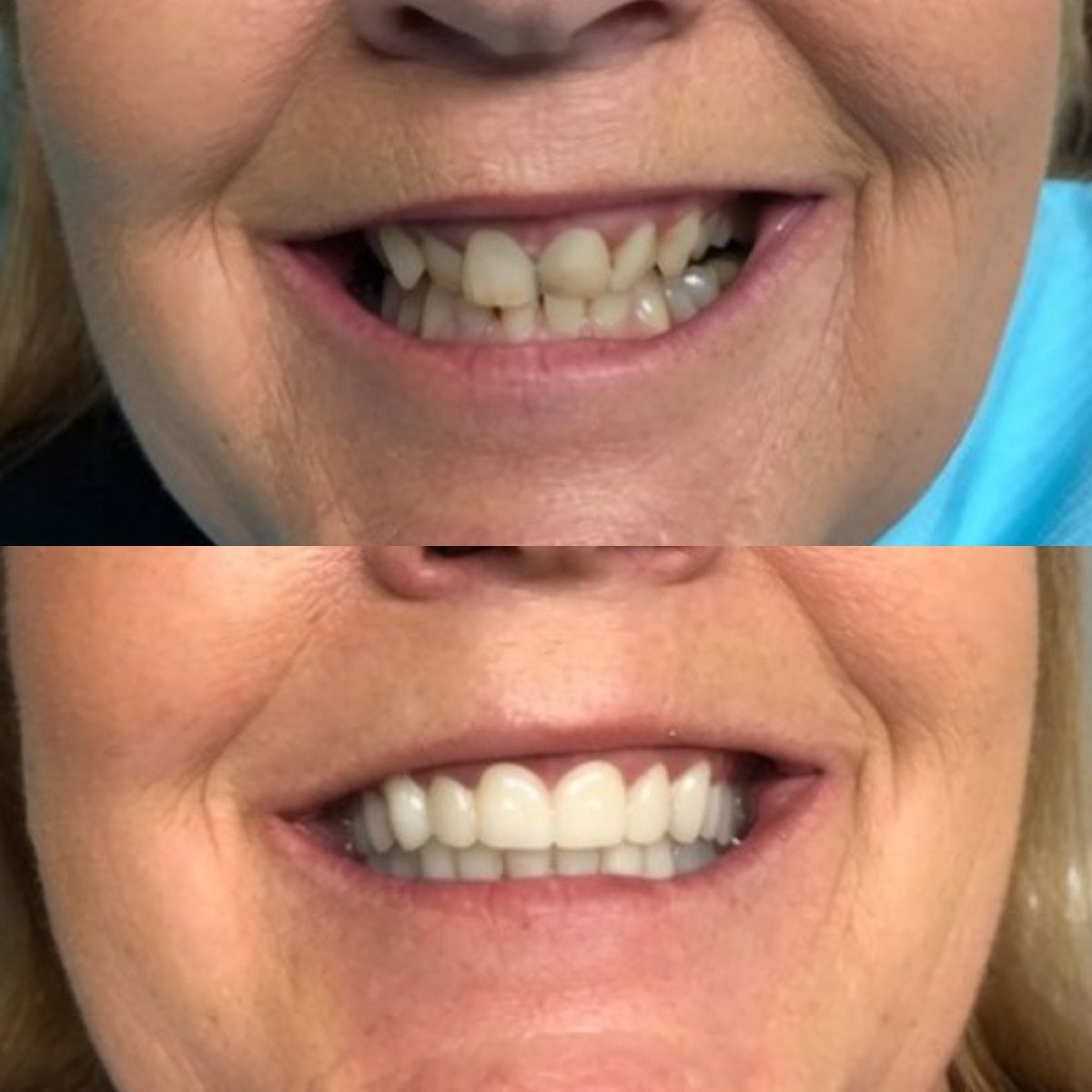
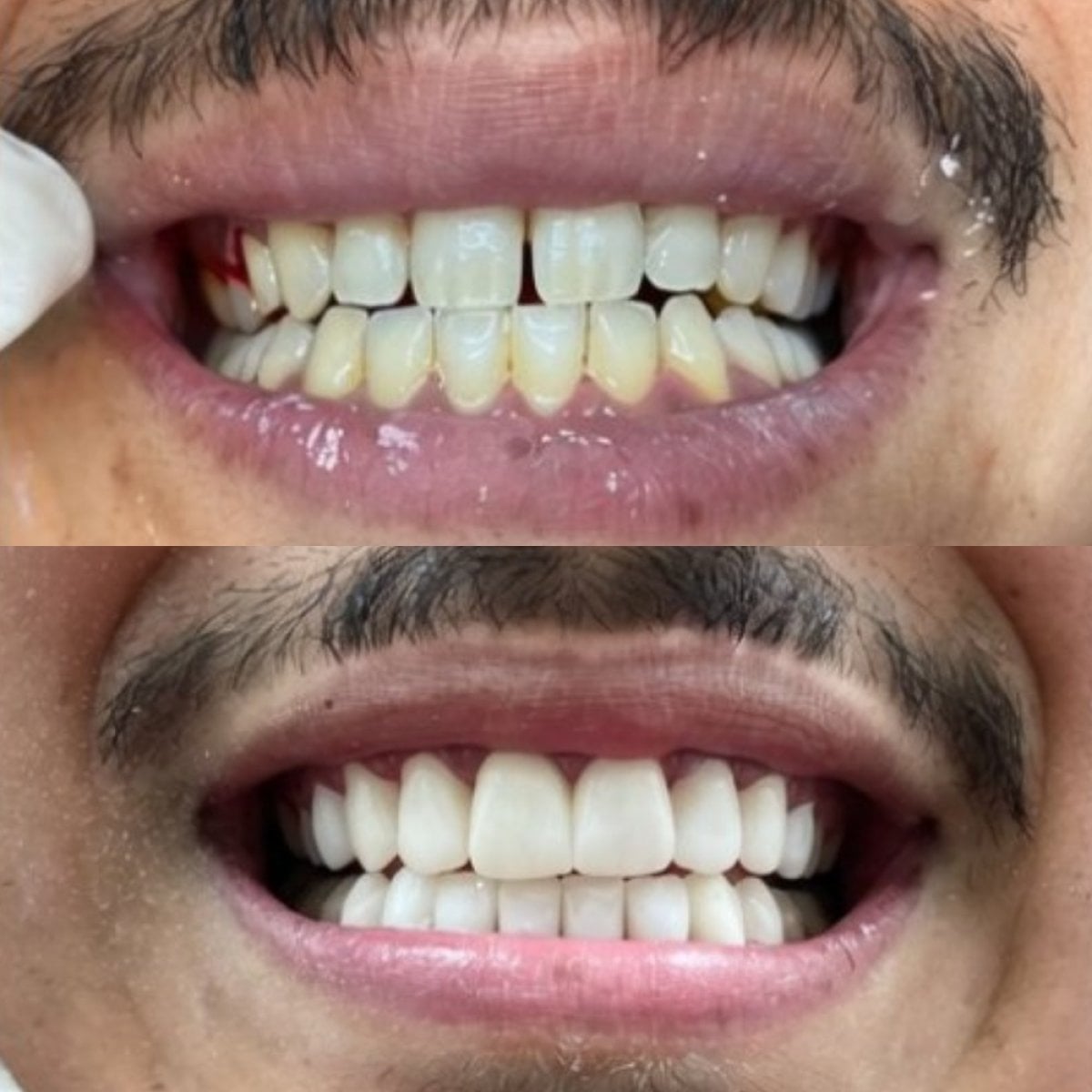
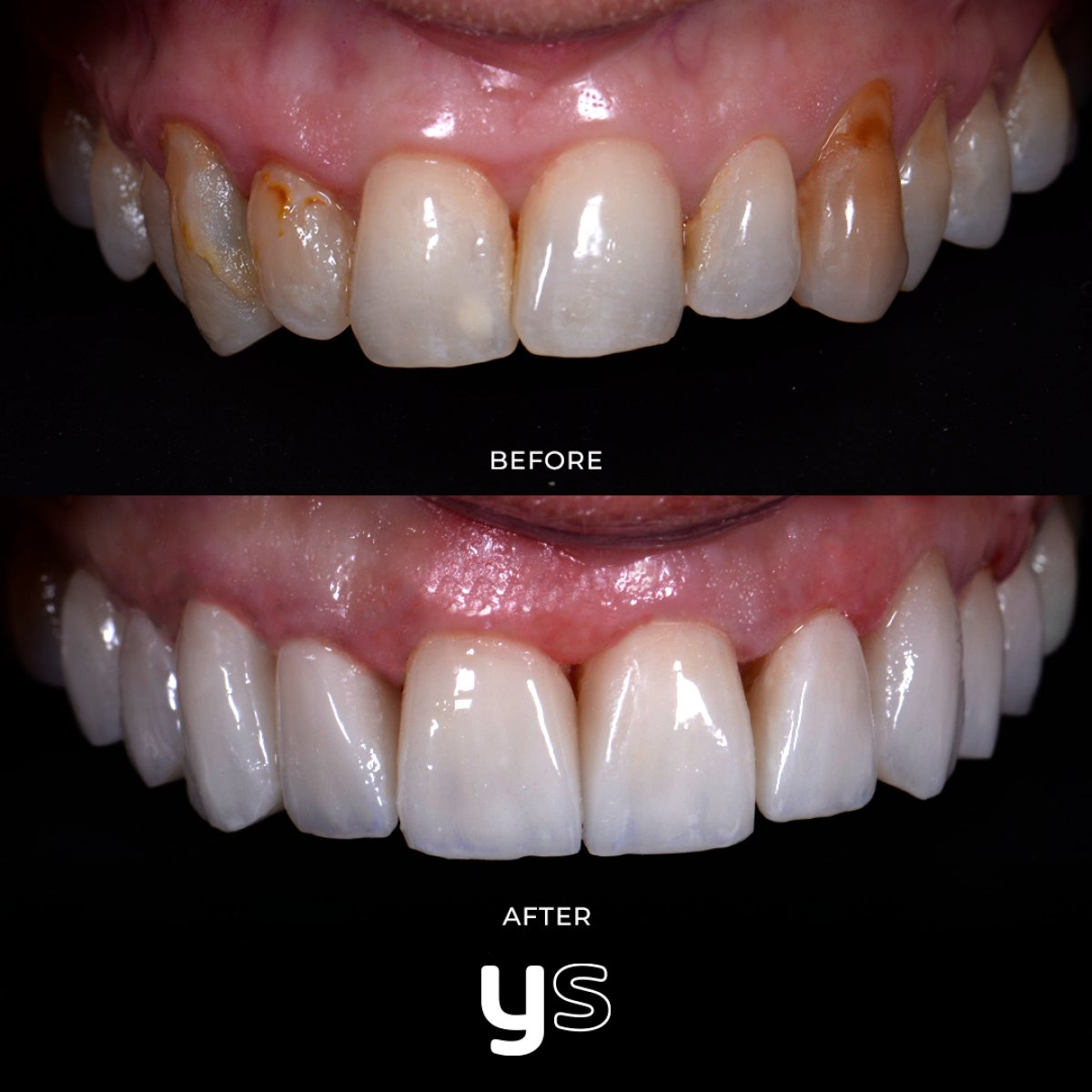
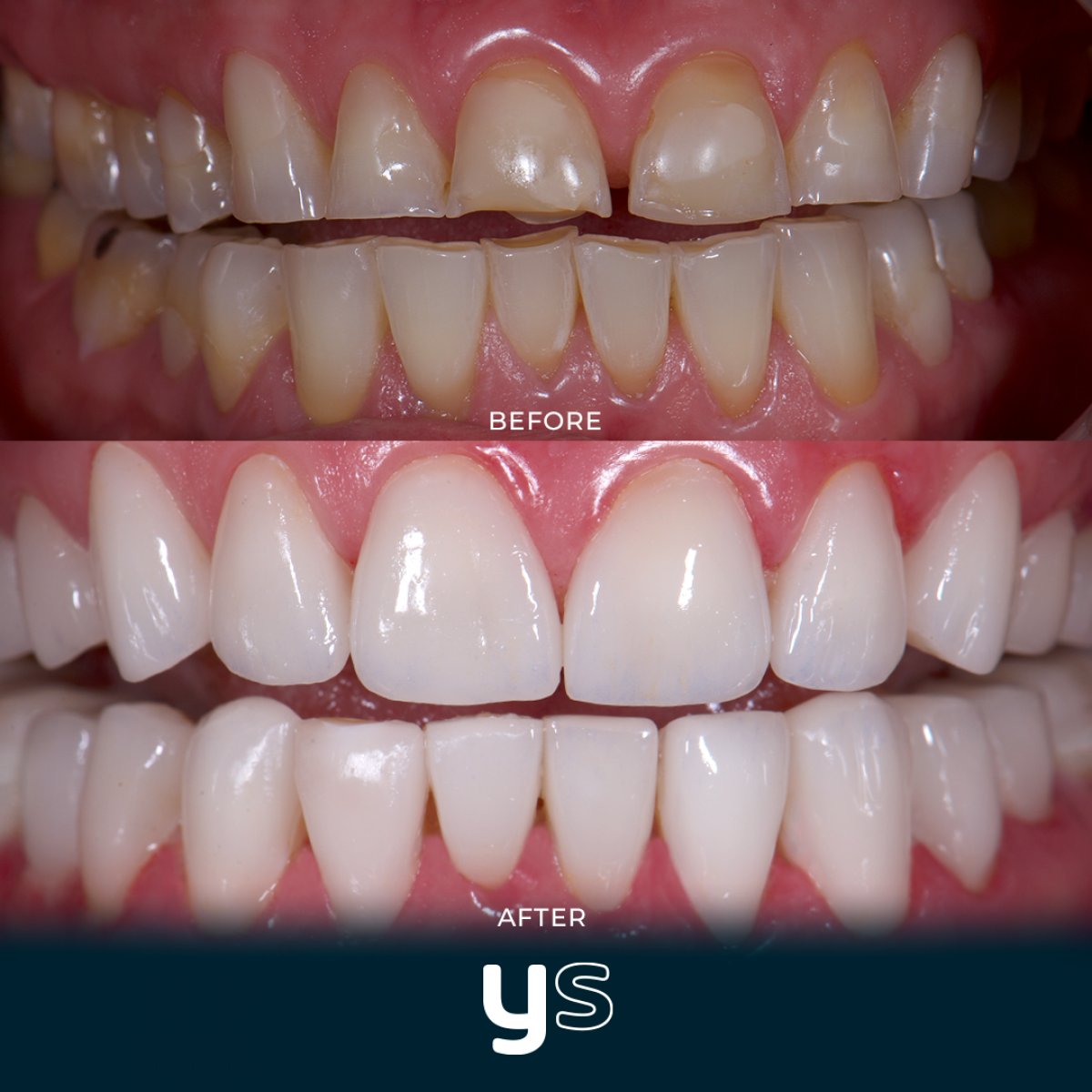
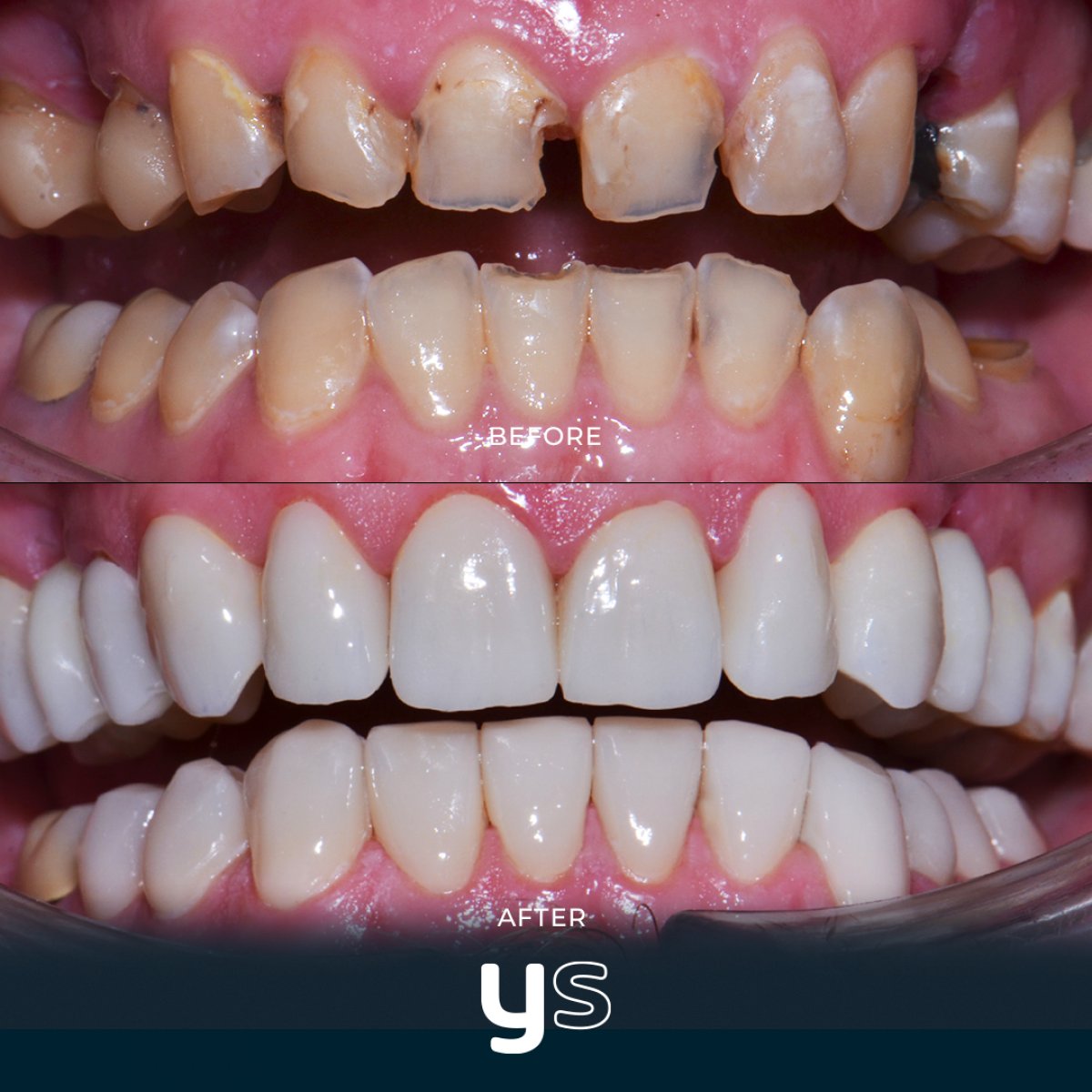
Over 25,000 dental procedures performed – Dr. Paula combines art and science for life-changing smiles at YeahSmile.
Dr. Eduardo Martinez combines 13 years of dental expertise with award-winning prosthodontics training at Nova Southeastern University.

Dr. Moises Irazoqui specializes in periodontics, focusing on restoring oral function and aesthetics with dental implants.

Written by Kateryna Zamkovska

Written by Mariia Mytrofankina

Written by Kateryna Zamkovska

Written by Mariia Mytrofankina

Written by Kateryna Zamkovska
 Anna Leonova

Dental treatment refers to the various procedures and interventions that are done to achieve good oral health. These treatments can range from regular check-ups and cleanings to more invasive procedures like root canals and tooth extractions. The goal of dental treatment is to prevent and treat oral diseases, maintain healthy teeth and gums, and improve overall oral hygiene.
Common dental treatments include fillings, crowns, bridges, veneers, and braces. A dentist may recommend different types of treatment depending on the patient's specific needs and preferences. It is important to schedule regular dental appointments and follow good oral hygiene practices at home to prevent the need for more extensive dental treatment in the future.
| Techniques or Types | Description |
|---|---|
| Fillings | Fillings are used to restore teeth that have decayed or been damaged. They may be made of different materials such as metal or tooth-colored resin. |
| Crowns | Crowns are used to cover and protect a tooth that has been extensively damaged or weakened. They are typically made of porcelain or metal and can improve the appearance of a tooth. |
| Bridges | Bridges are used to replace missing teeth by attaching to adjacent teeth. They are typically made of porcelain or metal and can improve the appearance and functionality of a smile. |
| Root canals | Root canals are performed when the pulp inside a tooth becomes infected or inflamed. The pulp is removed and the tooth is filled with a special material to prevent further infection. |
| Orthodontics | Orthodontics involve the use of braces or clear aligners to straighten teeth and improve the bite. This can improve the appearance and functionality of the teeth and jaw. |
| Teeth whitening | Teeth whitening can improve the color and brightness of teeth. It is typically done with a bleaching agent and can be done in-office or with a take-home kit. |
The best candidates for dental treatment in Mexico are those who require extensive dental work and are seeking affordable options. Mexico offers high-quality dental care at a fraction of the cost compared to the United States, making it an attractive destination for those who do not have dental insurance or cannot afford the high costs associated with dental treatment in their home country.
In addition, many dental clinics in Mexico offer a range of specialized treatments, such as dental implants, orthodontics, and cosmetic dentistry, making it an ideal destination for individuals who require complex dental procedures. Overall, anyone who is looking to save money on dental treatment without compromising on quality should consider Mexico as an excellent option.
The number of visits required for dental treatment depends on the type and extent of the treatment needed. For routine check-ups and cleanings, only one visit may be necessary to complete the entire procedure. However, more complex treatments such as dental implants or root canals may require multiple visits over a period of weeks or months.
During the initial consultation, the dentist will assess the oral health of the patient and provide an estimate of the number of visits required for treatment. It is important for patients to follow their dentist's recommended schedule of appointments to ensure that the treatment is successful and any complications are addressed in a timely manner.
If you are planning to travel to Mexico for dental treatment, there are some important things that you need to know before you go. Firstly, it is important to do your research and choose a reputable dentist or dental clinic. Look for reviews and ask for referrals from people you trust. You should also make sure that the dentist or clinic is properly licensed and accredited.
Another thing to consider is the language barrier. If you do not speak Spanish, it is important to make sure that the dentist you choose speaks fluent English or has a translator on staff. Communication is key to ensure that you get the treatment you need and that you understand any post-operative care instructions.
It is also a good idea to check with your insurance provider to see if your dental treatment in Mexico will be covered. Some insurance plans may offer coverage for dental treatment abroad, while others may not. If your insurance does not cover dental treatment in Mexico, be sure to budget accordingly and consider the costs of travel and accommodations as well.
After any dental treatment, there are a few things that should be taken into consideration to ensure proper healing and recovery. The first thing is to rest and avoid any strenuous activity for at least 24 hours. Sudden movements can cause bleeding or dislodge any temporary fillings or restorations. Resting will allow the body to focus on healing.
It is also important to maintain good oral hygiene. Brushing and flossing should be done gently and carefully around the treated area to avoid any irritation or damage. A saltwater rinse can help reduce swelling and soreness of the gums. Avoid eating anything hard or crunchy and also avoid hot and cold drinks for a few days following the treatment. Stick to soft foods that require minimal chewing, and drink plenty of water to stay hydrated.
If any discomfort or pain is experienced, over-the-counter pain relievers such as acetaminophen or ibuprofen can be taken. However, it is always best to consult with your dentist before taking any medication. Follow any other specific aftercare instructions given by your dentist to ensure proper healing.
The length of the Dental Treatment recovery process varies depending on the type of treatment you received. Generally, most people can expect to experience some level of discomfort or sensitivity after receiving a dental procedure, but this typically subsides within a few days.
For more extensive procedures, such as wisdom teeth extractions or dental implant surgeries, the recovery process may take several weeks. During this time, patients may need to take pain medication, avoid certain foods, and follow a specific oral hygiene routine to ensure proper healing. Your dentist or oral surgeon can provide specific instructions for your individual situation to help make your recovery as smooth and comfortable as possible.
Overall, maintaining good oral hygiene and attending routine dental checkups can help you prevent the need for extensive dental treatment and minimize the time needed for recovery.
Just like any other medical procedure, dental treatments also come with risks and complications. When it comes to seeking dental treatment in Mexico, there are several factors to consider that can increase these risks. One of the most significant factors is the lack of regulation in the Mexican dental industry, which means that there is a higher probability of encountering sub-standard dental clinics and inexperienced or unqualified dentists.
Another significant risk of seeking dental treatments in Mexico is the possibility of contracting an infection due to poor hygiene practices. While dental clinics in Mexico have come a long way in terms of quality and hygiene, there is still a risk, especially in less reputable clinics that may not follow industry hygiene standards. Furthermore, many dental procedures require anesthesia, and there is also a risk of adverse reactions to anesthesia or the medications administered during the procedure.
In summary, while there may be financial benefits to seeking dental treatment in Mexico, it is essential to bear in mind the potential risks and complications. It is crucial to conduct thorough research beforehand and ensure that the clinic and dentist you choose are certified and follow industry standards. Additionally, precautions such as ensuring proper hygiene practices and monitoring your reactions to anesthesia can help minimize these risks during dental treatments in Mexico.
If you are considering travelling to Mexico for dental treatment, it is important to weigh out the advantages and disadvantages. Here are some of the pros and cons of getting dental treatment in Mexico:
Dental treatment in Mexico is performed by qualified and experienced dentists who follow the same standards of care and safety as dentists in other countries. The dental industry in Mexico has been growing rapidly in recent years due to the increasing number of people looking for affordable dental care. Mexican dental clinics offer a wide range of dental treatments, including general dentistry, cosmetic dentistry, oral surgery, endodontics, and periodontics.
The cost of dental treatment in Mexico is significantly lower than in the United States and other developed countries. Despite the lower cost, the quality of dental care is not compromised. Many dental clinics in Mexico use state-of-the-art equipment and technology and follow strict safety and hygiene protocols. Patients from around the world visit Mexico for dental treatment and are often pleasantly surprised by the high level of care they receive.
Dental implants and major surgeries in Mexico are safe when performed at accredited facilities by board-certified specialists. Reputable clinics use FDA-approved materials and advanced digital dentistry. Patients from the U.S. and Canada frequently access high-quality care in medical hubs like Cancun, Tijuana, and Los Algodones.
Bookimed Expert Insight: Our data shows a clear trend where clinics with in-house laboratories, such as YeahSmile in Cancún, offer significantly higher reliability. These facilities control the entire production of crowns and implants. This reduces the risk of fit issues and allows for immediate adjustments while the patient is still in Mexico. This in-house capability is a major quality marker often found in clinics serving 400+ international patients annually.
Patient Consensus: Patients often suggest starting with smaller treatments like crowns before committing to full implants. They emphasize that while savings are massive, verifying specific implant brands like Straumann is vital for future maintenance back home.
Verify a Mexican dentist by checking their professional license, known as a cédula profesional, through the National Registry of Professionals. Confirm memberships in the Asociación Dental Mexicana (ADM) and international bodies like the American Dental Association (ADA) to ensure high clinical standards.
Bookimed Expert Insight: Our data shows a strong correlation between high patient volumes and specific manufacturer partnerships. For instance, YeahSmile in Cancún serves 460 patients annually and is an official partner of Ivoclar Vivadent and Straumann. These direct ties to Swiss and German manufacturers often guarantee the use of original, traceable materials rather than generic alternatives.
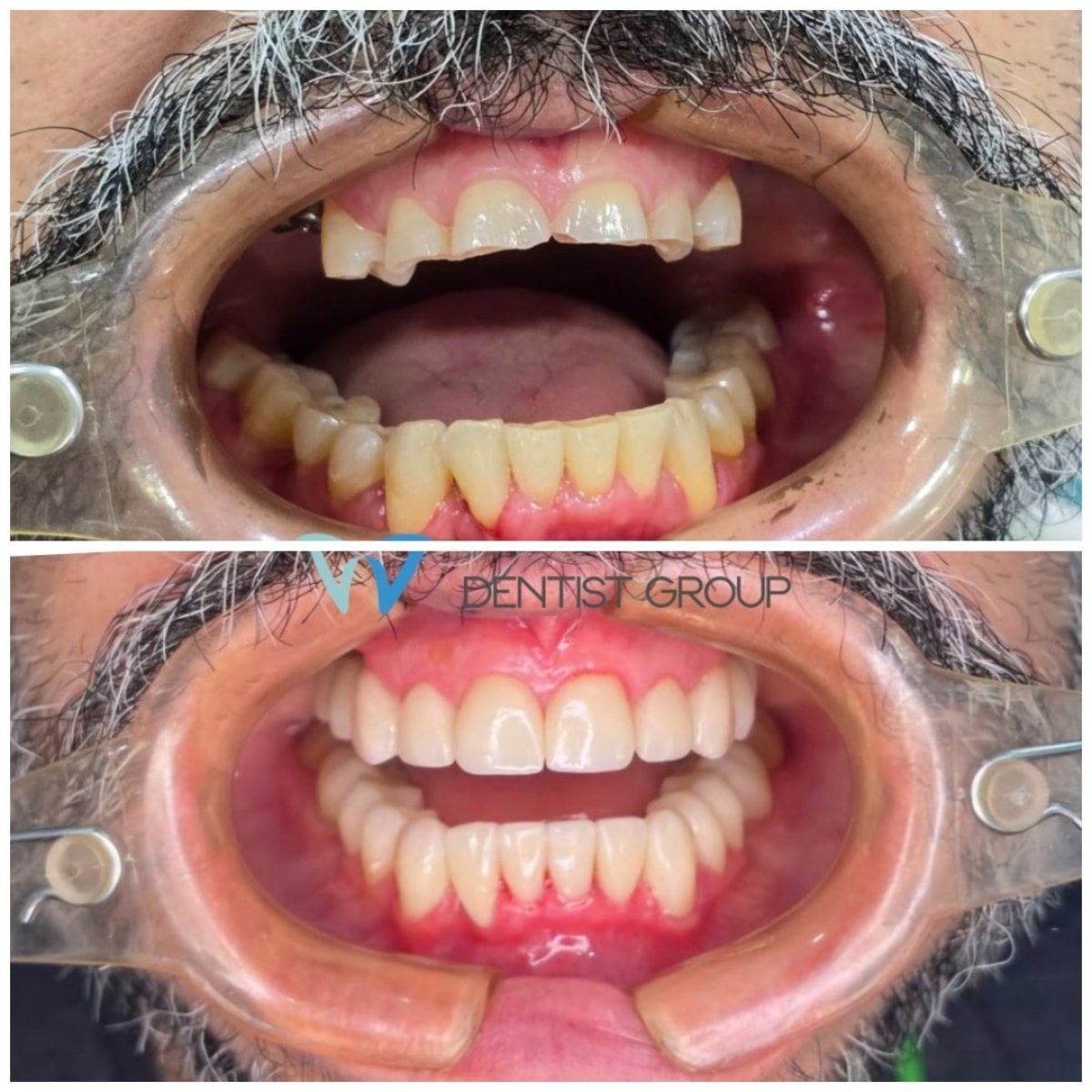
Patient Consensus: Patients emphasize that you should never just take a dentist's word for their qualifications. They suggest independent verification through official registries and asking for before-and-after photos of actual cases to prove clinical skill.
Primary risks in Mexico include inadequate sterilization and poor material quality leading to infections or implant failure. Patients sometimes report chipped veneers or mismatched crown colors. Language barriers can cause treatment plan misunderstandings. Follow-up care is difficult once you return home.
Bookimed Expert Insight: High-volume clinics in border towns sometimes prioritize speed over precision. Data shows that clinics like YeahSmile in Cancún mitigate this by using an in-house lab. This allows technicians to adjust crowns and veneers immediately. Choosing a facility with an on-site lab reduces the risk of functional errors and poor aesthetic matches.
Patient Consensus: Patients note it's common for border clinics to rush procedures, leading to crowns that eventually grind down natural teeth. They recommend staying at least 1–2 weeks to ensure all bite adjustments are perfect before flying home.
If dental work fails after returning home, patients should immediately document symptoms with photos and contact the clinic in writing. Seek local emergency care for severe swelling or pain. Many Mexican clinics, such as YeahSmile, offer specific five-year guarantees on treatments to protect international patients.
Bookimed Expert Insight: Data shows that choosing clinics with on-site laboratories, like YeahSmile in Cancún, significantly reduces the risk of long-term failure. These facilities control the entire fabrication process for Emax and Zirknozahn systems. This precision ensures a better fit compared to clinics that outsource to external labs.
Patient Consensus: Patients note that issues like loose veneers often appear months later, making it vital to confirm if the clinic covers travel costs for revisions. Success often depends on having clear, written documentation from a local dentist to present to the original Mexican surgeon.
Dental treatment in Mexico typically requires 1 to 2 trips depending on the procedure's complexity. Simple restorations like veneers or crowns often finish in a single 7-day visit. Complex cases like dental implants usually require two separate trips spaced 3 to 6 months apart.
Bookimed Expert Insight: Clinics with in-house labs, like YeahSmile in Cancún, significantly reduce the number of trips for complex aesthetics. By crafting components on-site, they can deliver final zirconia bridges during a single 10-day stay. This eliminates the need for a second visit common at smaller clinics without integrated technology.
Patient Consensus: Patients note it is important to plan for at least 10 days if attempting a single-trip restoration. While clinics may promise speed, many suggest staying a few extra days to test temporary fits and avoid future travel for adjustments.
A valid U.S. passport book is mandatory for air travel to Mexico for dental work. For land crossings to border hubs like Tijuana or Los Algodones, you must present a passport book or passport card. Mexican immigration may deny entry without these documents.
Bookimed Expert Insight: High-volume clinics like SoftDentalCare Clinic in Los Algodones or Teethsavers Dental Clinic in Tijuana sit steps from the border. These facilities often coordinate with local transport to help patients navigate checkpoints. Choosing a clinic within walking distance of the border can eliminate the need for Mexican auto insurance.
Patient Consensus: Patients note it's vital to bring original documents rather than copies to avoid major delays. Some mention being asked to show their fresh dental work to customs agents when re-entering the United States.
Most U.S. dental insurance plans do not directly cover treatment in Mexico. Patients typically pay upfront and request partial reimbursement afterward. PPO plans offer the best chance for out-of-network coverage. Standard HMO policies usually exclude all international dental services except for documented emergencies.
Bookimed Expert Insight: Our data shows that while 90% of insurance inquiries result in denials, the 70% average savings in Mexico still make treatment viable. Clinics like YeahSmile in Cancún are American Dental Association (ADA) members. This credential helps patients secure the specific documentation and CDT codes required for successful U.S. reimbursement claims.
Patient Consensus: Patients suggest treating Mexico visits as cash-only due to frequent insurance denials. They emphasize keeping all X-rays and detailed receipts to try for small out-of-network reimbursements later.
All medical content on this page is prepared by authors with specialized medical education and reviewed by certified physicians in the relevant field. Medical review by Fahad Mawlood, Medical Editor & Data Scientist.
Last updated: Nov 15, 2026.
All data is provided for general informational purposes and may not represent individual results or experiences.