To homepage

How it works

We've transformed the clinic search process, making it simple, fast, and personal.
Answer a few questionsTake a short quiz to share your Hair transplant goals.
Get personalized offers3 clinics, handpicked based on your answers, provide tailored treatment plans and quotes.
Choose the best optionCompare offers and choose the clinic that suits you best.
You can also browse all 32 clinics below.
820К+ patients have got assistance since 2014
50 countries
1,500 clinics
6K+ reviews
3K+ qualified doctors

How Much Does Hair transplant Cost in Thailand?

Hair transplant in Thailand typically costs from $2,600 / ฿88,400 to $4,500 / ฿153,000. The final price depends on the chosen technique, graft count, and the clinic's location in hubs like Bangkok, Phuket, or Chiang Mai. Patients save around 71% compared to the US, where the average cost is $12,500 / ฿425,000. Most Thai packages include consultations, blood tests, local anesthesia, and post-operative medications.

  • FUE hair transplant: $5,500 / ฿187,000 to $6,500 / ฿221,000 for the most popular minimally invasive extraction method.
  • DHI hair transplantation: $3,000 / ฿102,000 to $5,100 / ฿173,400, which often carries a 20-30% premium.
  • FUT hair transplant: $2,800 / ฿95,200 to $5,500 / ฿187,000 for the traditional strip surgery technique.
  • ARTAS robotic hair transplant: $4,500 / ฿153,000 to $7,500 / ฿255,000 using advanced robotic-assisted technology.
  • No shave hair transplant: $7 / ฿238 to $4,700 / ฿159,800 for patients requiring a discreet recovery.

Bookimed Expert Insight: Choosing a clinic that limits daily surgeries ensures higher clinical focus and value. For example, Dr. Nutt Clinic performs only one procedure per day for personalized care. While many clinics start around $2,600, premium facilities like Asia Cosmetic Hospital offer JCI-accredited safety with a 0% complication rate. Smart travelers should budget approximately $3,500 to $4,500 for high-density results from ABHRS-certified surgeons.

Key Benefits
  • Get a hair restoration in Thailand at 60–75% less than in the USA and Australia.
  • Patients from the USA, Australia, New Zealand, and other regions often choose Thailand for high-quality procedures at affordable prices.
  • Available techniques include FUE, FUT, and DHI.
  • Get a free photo review by a specialist to determine the best hair implantation method for you.
  • Packages often include a consultation with a plastic surgeon, general anesthesia, pre-op screening, medications, PRP therapy, post-op care, wound dressing kits, and transfers between the airport, hotel, and clinic.
  • Warranty available on select packages.
  • Access exclusive offers from top Thai clinics from $1,900.
ThailandTurkeyThe USA
Hair transplantfrom $2,600 / ฿88,400from $2,043 / ฿69,462from $8,000 / ฿272,000
Sapphire FUE hair transplantfrom $2,700 / ฿91,800from $2,200 / ฿74,800from $12,000 / ฿408,000
Organic hair transplantationfrom $3,000 / ฿102,000from $2,800 / ฿95,200from $9,500 / ฿323,000
No Shave Hair Transplantfrom $7 / ฿238from $3,196 / ฿108,664from $12,000 / ฿408,000
Neograft Hair Transplantfrom $2,500 / ฿85,000from $2,800 / ฿95,200from $12,000 / ฿408,000
Data verified by Bookimed as of May 2026, based on patient requests and official quotes from 277 clinics worldwide. Median costs are based on real invoices (2025–2026) and updated monthly. Actual prices may vary.

Discover the Best Hair transplant Clinics in Thailand: 32 Verified Options and Prices

Procedure type
ID Clinic Bangkok
4.4
(99 reviews)
34 years of experience
20000 treatments

Clinic is certified
Royal College of Surgeons Thailand
DHI Hair Transplant — 2,500 Grafts by Surgeon with 20+ Years of Experience

This package uses the DHI method for precise placement of 2,500 follicular units, creating a natural hairline with minimal, undetectable scarring. Dr Phatcharasak Kraisornphongsakul Md, a plastic surgeon board-certified since 2000 with 1,100+ hair procedures, performs it at ID Clinic Bangkok. For approximately $3,500, the all-inclusive fee covers pre-operative blood work, all surgical supplies, medications, a compression garment, and airport transfers. The 1-day procedure involves minimal downtime with results maturing over 9-12 months.

Asia Cosmetic Hospital
4.2
(12 reviews)
21 years of experience

Clinic is certified
Given to the doctor International Society of Aesthetic Plastic Surgery (ISAPS) Сertificate
Royal College of Surgeons Thailand
The Institute of Hospital Quality Improvement and Accreditation
International Society for Aesthetic Plastic Surgery
FUE Hair Transplant — Unlimited Grafts & 6 Months Follow-Up Included

This unlimited grafts FUE package uses scar-free extraction with ultra-fine titanium tools for natural results. Dr. Chatchawarn Chinpaisarn, with 900+ procedures performed, works at the JCI-accredited Asia Cosmetic Hospital, which adheres to top international safety standards. For approximately $2,900, the package covers surgery, certified anesthesia, VIP nursing care, medications, and a 6-month follow-up. It also includes English translator services and airport transfers, while detailed pre-op guidance helps ensure optimal preparation.

Department of Skin & Surgery - NAVAMIN9 HOSPITAL
20 years of experience
10000 treatments

Clinic is certified
Joint Commission International
MEN FUE hair transplant (1 zone) UNLIMITED GRAFTS (case review)

Dr. Ariyapon Lortaraprasert, certified in the ARTAS robotic system, performs this minimally invasive FUE procedure at the JCI-accredited Department of Hair, Aesthetics & Surgery @ Navamin 9 Hospital. For approximately $1,856, the all-inclusive package covers 2500 grafts, a same-day 6–8 hour stay, PRP therapy, and extensive post-op care like Laser Light sessions and Hyperbaric Oxygen Therapy. His 900+ procedures and ISHRS memberships reflect specialized expertise, and the offer includes a 1-year follow-up warranty.

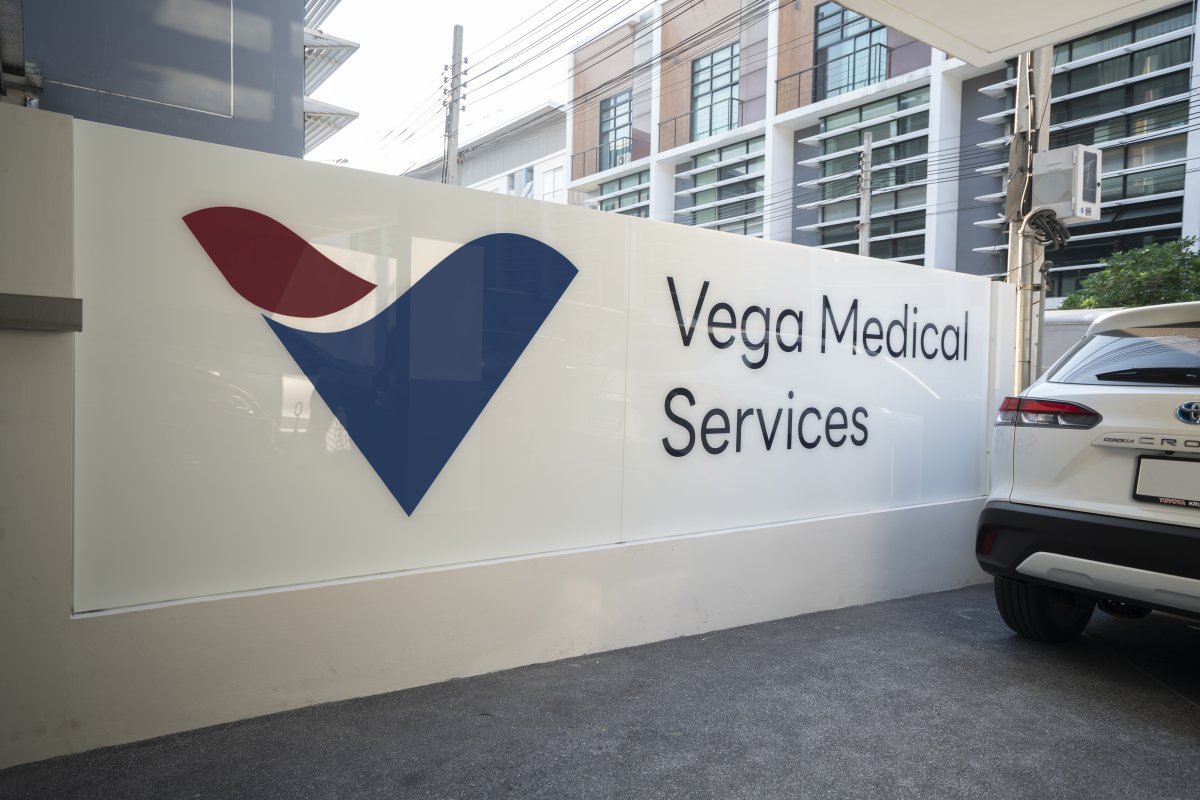
Vega Clinic
7 years of experience

FUE hair transplant : FUE Shaven 1,500-1,999 grafts
  • Technique: FUE hair transplant: FUE shaven, 1,500-1,999 grafts
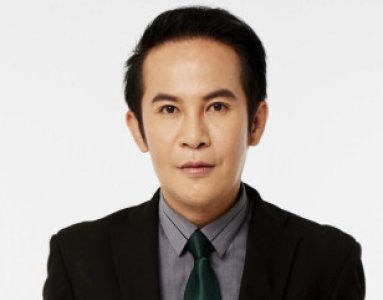
  • Chollawat Thongthaisin is a lead doctor in regenerative medicine and provides expert consultations in hair restoration.
  • Vega Clinic is a leading provider of advanced regenerative medicine, attracting international patients from Europe, the USA, and Australia.
  • Included Services: Consultation with a doctor, transfer airport-hotel-clinic-airport
  • Stay Info: 3 days stay in the hospital room, 14 days hotel stay (accommodation not included in the price).
Somchai Clinic
27 years of experience

Hair Transplant — 3000 Grafts with Airport and Hotel Transfer Included

Somchai Clinic features Dr. Somchai Cheawchanwech, an internationally trained aesthetic specialist with a Diploma in Aesthetic Medicine from the American Academy of Aesthetic Medicine. He specializes in natural-looking results and has trained at prestigious institutions including Ramathibodi Hospital and international forums in Korea. Hair transplant procedures here typically range from $1,900 to $2,800. The clinic follows strict ethical standards and prioritizes patient safety with personalized care.

You’ve viewed 7 of 32 packages

Hair transplant in Thailand: Your Travel Plan

Day 1: Arrival in Thailand
  • You should arrive at the airport and transfer to your accommodation. Ensure you have all necessary documents and confirmations for your scheduled hair transplant procedure.
  • Rest and acclimate to the local time zone. This will ensure you are well-rested for the upcoming procedure.
  • Avoid alcohol and smoking. They can affect your recovery and the success of the hair transplant.
  • If prescribed, start taking any pre-operative medications as instructed by your clinic.
Day 2: Pre-Operative Consultation
  • You need to visit the clinic for a pre-operative consultation with your surgeon. Discuss the condition of your scalp and hair, and finalize the operation plan using the DOHT technique, which combines FUE, DHI, and Dr. Orn's methods.
  • Undergo necessary pre-operative tests such as a blood check-up. Ensure you are clear of any infections or conditions that might affect the procedure.
  • Discuss the number of grafts required and the expected outcome with your doctor. This is crucial as it impacts the success rate and natural appearance of the transplant.
  • Confirm post-operative care instructions and understand the follow-up program that will aid in maintaining the results.
Day 3: Hair Transplant Procedure
  • Arrive at the clinic for your scheduled hair transplant procedure. The procedure will use advanced techniques like FUE, which involves extracting individual hair follicles, and DHI, which uses an implanter pen for precision.
  • The procedure may take 6-10 hours depending on the number of grafts. Local anesthesia will be used to minimize discomfort.
  • Post-procedure, you will receive medication and wound dressing instructions. You may also receive additional care products like hair growth serums and vitamins to enhance recovery.
  • Ensure you have a friend or family member to accompany you back to your accommodation as you may feel drowsy post-procedure.
Day 4: Post-Operative Care
  • Return to the clinic for a free hair wash and wound care session. This is crucial to ensure proper healing and to prevent infection.
  • Begin using post-transplant care products such as BALLVIC Transform Shampoo & Solution and Elixir Hair Serum, as provided by the clinic.
  • Follow dietary restrictions such as avoiding alcohol, smoking, and spicy foods for at least 1 month to aid recovery.
  • Avoid physical activities like exercise, swimming, or sauna for at least 1 month post-transplant to ensure grafts are not disturbed.
Days 5-7: Recovery Period
  • Continue to follow post-operative care instructions, including medication and dietary restrictions.
  • Attend any scheduled follow-up appointments for wound dressing and to monitor the progress of the transplanted hair.
  • Limit exposure to sunlight and heat. Avoid using heat styling tools on your hair.
  • Monitor for any signs of infection or complications. Contact the clinic immediately if you have concerns.
Day 14: Follow-Up Appointment
  • Attend a follow-up appointment at the clinic to assess the healing process and the condition of the transplanted hair.
  • Receive guidance on further hair care and discuss any concerns with your doctor.
  • Continue using prescribed hair care products. Follow dietary and lifestyle recommendations to ensure optimal results.
Day 30: Final Check-Up Before Departure
  • Visit the clinic for a final check-up to ensure everything is healing as expected. Discuss any long-term care plans.
  • Confirm the details of your follow-up program, which may include hair growth laser stimulation sessions and deep hair treatment courses.
  • Ensure you have all necessary documentation and instructions for continued care once you return home.
Day 31: Departure from Thailand
  • Prepare for your journey home. Ensure you have all your medications, care products, and instructions for ongoing care.
  • Contact the clinic if you have any last-minute questions or need clarification on post-operative care.
  • Continue to monitor your recovery. Maintain communication with the clinic for any follow-up consultations or concerns.

Bookimed, a leading global medical tourism platform, is committed to helping clients looking for Hair transplant in Thailand by offering expert assistance and trustworthy medical solutions for every situation. Smart automatic ranking system is used to compose transparent clinic listings, meticulously maintained by a data scientist using AI for accuracy. The platform guarantees authenticity by publishing reviews from real patients after their treatments. Bookimed offers comprehensive medical solutions, with updates from clinics to ensure trustworthiness. The content about Hair transplant in Thailand, crafted by experienced medical authors and reviewed by specialists, adheres to Bookimed"s Editorial Guidelines, reflecting the platform"s commitment to delivering high-quality and clear health information. For more details or inquiries, feel free to contact us at marketing@bookimed.com or learn more about us and our mission here.

Our Trusted Doctors

View all Doctors
verified

Dr Phatcharasak Kraisornphongsakul Md

34 years of experience • 20000+ treatments performed

Dr Phatcharasak Kraisornphongsakul Md specializes in hair transplant procedures at ID Clinic Bangkok.

  • Experienced in various hair restoration techniques
  • Focuses on natural-looking results
  • Works with advanced hair transplant technology
verified

Ariyapon Lortaraprasert

20 years of experience • 10000+ treatments performed

Specializes exclusively in hair restoration – Dr. Ariyapon Lortaraprasert is a member of the International Society of Hair Restoration Surgery.

  • Certified in ARTAS® Robotic System for precise hair transplants
  • Regular participant in global hair restoration conferences
  • Trained in various aesthetic treatments including Thermage and Restylane
  • Works at Navamin 9 Hospital's Department of Hair, Aesthetics & Surgery
verified

Chatchawarn Chinpaisarn

21 years of experience

Specializes in hair transplantation at Asia Cosmetic Hospital with fellowship training at DANA Clinic.

  • Thai board-certified in plastic surgery
  • Fellow in hair transplantation at DANA Clinic
  • Member of the American Society of Plastic Surgeons
  • Advanced training in aesthetic procedures across Asia
verified

Rushapol Sdawat

25 years of experience

Dr. Rushapol Sdawat is a board-certified plastic surgeon with extensive training in aesthetic and reconstructive procedures, including hair transplants.

  • Over 25 years of experience of experience in plastic surgery
  • Trained in craniofacial and microsurgery in Taiwan
  • Member of International Society of Aesthetic Plastic Surgery
  • Specializes in facial feminization and body contouring
  • Practices at Intrarat Hospital in Thailand

Video Stories from Bookimed Patients

Oksana
I have fulfilled my dream. Finally, I won't cry about my hair anymore.
Procedure: Hair transplant
Clinic: Dr. MED
Roman
Just 4 days in Turkey, and I'm already home with a new hair.
Procedure: Hair transplant
Clinic: Hair Clinic
Diana
Thanks to Bookimed, I found hope and a clinic willing to help.
Procedure: Hair transplant

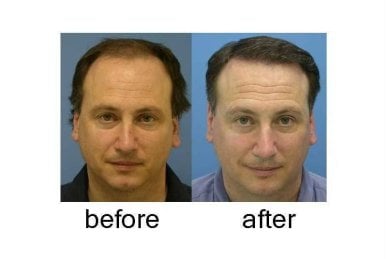
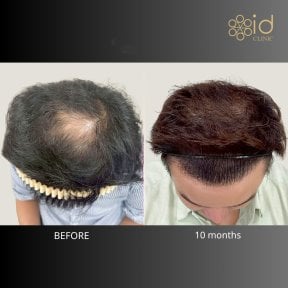
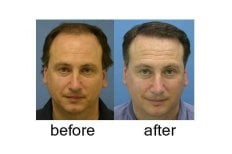
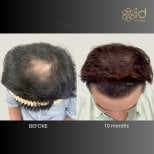
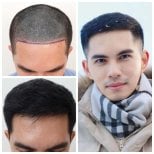
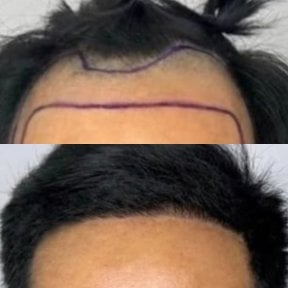
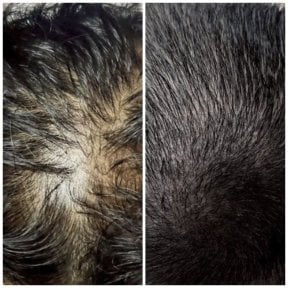
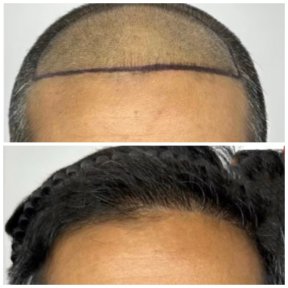
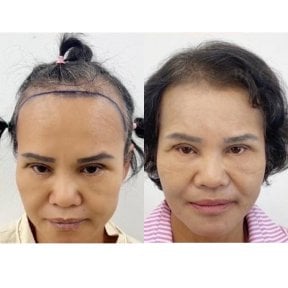
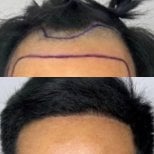
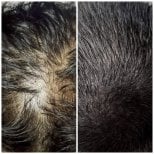
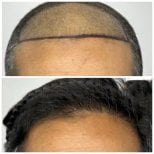
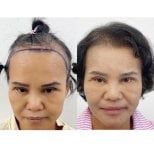
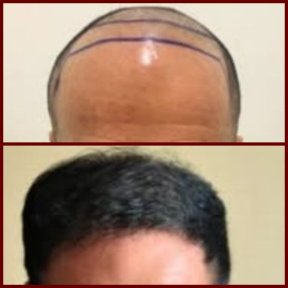
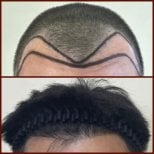
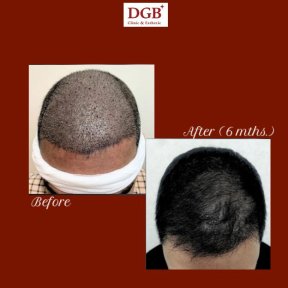
Hair transplant: Before & after photos

View all

Related Articles

View more

Share this content

Authored by
Anna Leonova
Anna Leonova
Head of Content Marketing Team
A certified medical writer with 10+ years of experience, developed Bookimed’s trusted content, backed by a Master’s in Philology and medical expert interviews worldwide.
Fahad Mawlood
Medical Editor & Data Scientist
General practitioner. Winner of 4 scientific awards. Served in Western Asia. Former Team Leader of a medical team supporting Arabic-speaking patients. Now responsible for data processing and medical content accuracy.
Fahad Mawlood Linkedin
This page may feature information relating to various medical conditions, treatments, and healthcare services available in different countries. Please be advised that the content is provided for informational purposes only and should not be construed as medical advice or guidance. Please consult with your doctor or a qualified medical professional before starting or changing medical treatment.

Our Hair transplant Techniques: What Suits You Best?

When considering Hair transplant, it’s important to understand the different techniques and which is best suited for you. Here’s a concise comparison of popular options:

FUE Hair Transplant

Follicular Unit Extraction involves removing individual hair follicles from a donor area and implanting them into balding or thinning areas.

Pros: Minimal scarring compared to FUT. Faster healing than DHI, with 10-15% more grafts possible in one session. Ideal for achieving a natural hairline.
Cons: Longer procedure time than ARTAS robotic hair transplant. May require multiple sessions for extensive hair loss compared to organic methods.
Effectiveness: Up to 4000 grafts per session.
Duration: 4-8 hours
Recovery: 7-10 days
Best for: Hair loss in small to moderate areas, creating a natural hairline.
Prices: Cost of FUE hair transplant in Thailand from $5,530

DHI Hair Transplantation

Direct Hair Implantation involves using a specialized pen to implant hair follicles one by one directly into the scalp.

Pros: Provides precise control over hair direction and density, ensuring a natural hairline. Minimal handling of hair follicles increases survival rate by up to 15%.
Cons: Typically more time-consuming than FUE and requires highly skilled practitioners. This can result in longer sessions.
Effectiveness: Up to 95% graft survival rate.
Duration: 6-8 hours
Recovery: 7-10 days
Best for: Small areas requiring high precision, up to 4000 grafts.
Prices: Cost of DHI hair transplantation in Thailand from $3,000

FUT Hair Transplant

Follicular Unit Transplantation involves removing a strip of scalp to harvest hair follicles for implantation.

Pros: Higher graft yield in a single session. Up to 4,000 grafts can be transplanted, more than FUE or DHI methods.
Cons: Leaves a linear scar, unlike FUE or ARTAS which are less invasive. Longer recovery time compared to DHI.
Effectiveness: Success rate of 95-98% for graft survival.
Duration: 4-8 hours
Recovery: 10-14 days
Best for: Treating large bald areas, with up to 4,000 grafts for extensive hair loss.
Prices: Cost of FUT Hair Transplant in Thailand from $2,800

ARTAS Robotic Hair Transplant

Utilizes advanced robotic technology for precise follicle transplantation to restore hair.

Pros: Offers high precision with minimal scarring, up to 50% faster than manual FUE. Consistently accurate graft placement enhances natural hairline appearance.
Cons: High initial investment in technology. Limited availability compared to manual methods, which may affect accessibility.
Effectiveness: Success rate of 90-95% in graft survival.
Duration: 4-8 hours
Recovery: 7-10 days
Best for: Restoring hair in balding areas with high precision. Ideal for those seeking minimal downtime.

Organic Hair Transplantation

Uses a special serum derived from the patient's own fat to enhance hair growth and healing.

Pros: Promotes natural hair growth with a 95% success rate. Reduces scalp inflammation by 80%, using no synthetic chemicals.
Cons: Requires fat extraction from the body, which might not be suitable for everyone. Limited to those with enough donor fat available.
Effectiveness: Transplants up to 4,000 grafts.
Duration: 6-8 hours
Recovery: 7-10 days
Best for: Patients seeking natural hair restoration with enhanced healing. Ideal for alopecia solutions.

All You Need to Know about Hair transplant in Thailand

Medical Disclaimer: This article is for informational purposes only and is not medical advice. Always consult a qualified healthcare provider before any medical decisions. Results may vary. Read the full disclaimer

Hair transplant in Thailand costs $3,700–$4,500 on average, compared to $8,000–$17,000 in the US. That's a saving of 55–70%. But price alone doesn't determine outcome. With over 66,500 patient requests served through Bookimed's 25+ verified Thailand clinics, the questions that matter are: who actually holds the scalpel, what recovery looks like in a tropical climate, and what financial protection you have if something goes wrong.

How to Choose a Safe Clinic and Verify Your Surgeon in Thailand

The best procedure outcome in Thailand comes down to one question: who will actually perform your surgery? ISHRS data puts the graft survival difference between FUE and FUT at roughly 1%. Negligible. The real reason to choose FUE is avoiding a visible linear donor scar, not superior hair growth outcomes.

How to spot a hair mill clinic

The most serious risk abroad is a "hair mill," a setup where a licensed doctor draws the hairline, then leaves unlicensed technicians to make incisions and extract grafts. The ISHRS identifies this delegation as the leading cause of irreversible, botched results. Ask one direct question before booking: "Will the board-certified surgeon personally make the incisions and extract the grafts?" According to ISHRS patient guidance, this separates safe clinics from hair mills faster than any brochure.

Safe extraction stays within 10%–20% of donor area density per session, per a PMC clinical review of FUE complications. Exceeding this causes permanent overharvesting: thinned donor zones that no further surgery can restore. Lifetime graft supply is roughly 7,000–8,000 viable follicles. Clinics promoting mega-sessions of 5,000+ grafts may be pushing past safe limits.

Credentials to verify before you book

Dr.Orn Clinic : Medical Hair (founded 2011) holds both ISHRS and ABHRS certifications and sees around 70,000 patients per year. ID Clinic Bangkok, certified by the Royal College of Surgeons Thailand, is led by Dr. Phatcharasak Kraisornphongsakul, with over 20,000 FUE procedures performed. Most of Bookimed's top-rated partner clinics in Bangkok operate in the Sukhumvit and Silom medical districts, where international hospital infrastructure is concentrated.

  • ABHRS Diplomate status: awarded after rigorous examination by the American Board of Hair Restoration Surgeons;
  • Active ISHRS membership: the primary international peer body for hair restoration specialists;
  • Thai Medical Council license: All surgeons in Bookimed's partner network hold active Thai Medical Council licences. Bookimed verifies credentials before listing any clinic.

What to Expect After Surgery: Recovery Timeline, Shock Loss, and Thailand's Climate

Recovery timeline: what really happens week by week

Days 1–7: Swelling (edema) affects 40%–50% of patients, per the PMC FUE complications review. It peaks days 2–3 and resolves by day 5–7. Scabs form over the recipient area. Don't pick them.

Weeks 2–8 (shock loss phase): Between 10% and 15% of patients experience sudden shedding of native hair surrounding the transplant zone. It's a normal physiological response. Follicles remain alive beneath the scalp and aren't lost.

Months 3–4 onwards: Noticeable new growth begins. Full mature density arrives at 12–18 months. That's the correct timeline to judge your result, not the week you fly home. Intrarat Hospital (ISO 9001:2015 certified, Bangkok) includes PRP therapy in its packages, supporting graft viability through this phase.

Flying home: DVT risk and airline clearance

Surgery triggers the body's clotting cascade. An 8–10 hour flight while sitting immobile shortly after an operation significantly raises Deep Vein Thrombosis (DVT) risk. The NHS advises no long-haul flights for at least 4 weeks post-surgery. If you must fly closer to that window, Hospital for Special Surgery guidance recommends walking the cabin hourly, staying hydrated, and wearing compression stockings. Most airlines also require a MEDIF fit-to-fly certificate for recent post-surgical passengers. Confirm this before booking your return flight.

Managing Thailand's tropical climate

Heat and humidity soften the scabs protecting new grafts and raise bacterial infection risk. The same PMC FUE review found folliculitis (scalp infection) in approximately 12.1% of cases, with humid-climate procedures among contributing factors. Key restrictions:

  • Heat and Humidity: avoid outdoor heat during peak hours for the first 2 weeks;
  • Sun Exposure: no direct UV on the scalp for 2–4 weeks; loose breathable hats are acceptable after a few days;
  • Pool and Sea Swimming: strictly prohibited for 4–6 weeks;
  • Saunas and Steam Rooms: avoid for up to 3 months.

Financial Planning and Insurance for Hair Transplant Abroad

The savings on the procedure are real. What surprises patients is what happens when complications arise after leaving Thailand, and the insurance coverage they assumed they had turns out to be void.

Nearly all standard travel policies explicitly exclude planned medical procedures. That's confirmed by the Australian Government Smartraveller guide and BAHRS medical tourism guidance. A dedicated Medical Tourism Insurance (Complication Insurance) policy covers extended hotel stays, emergency re-treatments, and return flights for revision surgery. Expect to budget 4%–12% of your medical cost for it.

  • emergency evacuation coverage: minimum $100,000 recommended. Without this, repatriation costs fall entirely on you;
  • Thai malpractice compensation is generally limited to quantifiable financial losses. The large pain-and-suffering awards common in US or UK courts are rare in Thailand;
  • verify your surgeon's active Thai medical license independently before paying any deposit.

Among Bookimed's Thailand partners, Bumrungrad International Hospital (JCI accredited, 4.6/5 based on 88 reviews, Newsweek World's Best Hospitals 2020–2023) and NAVAMIN9 Hospital's Skin & Surgery Department (JCI accredited, 250-bed hospital, founded 1995) operate under the strictest international quality standards available in Thailand.

Long-Term Hair Maintenance: What Happens After the Transplant

A hair transplant isn't a one-time permanent cure. Transplanted hair resists the hormone that causes pattern baldness, but the native hair around it doesn't. Without Finasteride or Minoxidil therapy, surrounding non-transplanted hair continues to fall out, leaving isolated "islands" of transplanted hair as the years pass. Healthline clinical guidance describes this as one of the most common long-term disappointments for patients who skip post-surgical medication.

Even transplanted hair changes over time. An ISHRS 10-year retrospective study found that successfully transplanted grafts lose 4%–6% density over five years due to natural aging. Manageable, but it means most patients need ongoing medical support to maintain results. Dr.Orn Clinic includes lifetime red light therapy in its proprietary DOHT protocol, one approach to supporting graft longevity.

Who is a good candidate

The ideal profile: androgenic alopecia (male or female pattern baldness), typically 25 or older, with a stable donor area and good general health. This procedure is not suitable for patients with any of the following, per the same PMC clinical review:

  • uncontrolled diabetes (blood sugar level above the safe surgical threshold; your GP can advise);
  • keloid scarring tendency;
  • BMI above 35;
  • active bleeding disorders or scalp infection;
  • chemotherapy-induced hair loss (not yet stable).

Hair Transplants for Afro-Textured Hair in Thailand

Tightly coiled hair has curved follicles beneath the skin. Standard FUE punches designed for straight hair often transect (cut and destroy) these curved follicles during extraction. A PMC study on FUE technique variations confirmed that transection rates are significantly higher for tightly curled hair types. Safe treatment requires specialized curved or motorized punches.

Only a small number of Bangkok clinics have documented experience with Afro-textured hair. Before booking, request a consultation with the surgeon, not a coordinator, and ask to see unedited before-and-after photos of patients with your hair type. Wansiri Hospital (4.9/5, 9 reviews) is among the Bookimed-listed Thailand clinics; confirm Afro hair experience directly during consultation. Bookimed's Afro hair transplant specialist listing for Bangkok lets you filter by relevant experience before requesting consultations.
FAQ about Hair transplant in Thailand

These FAQs come from real patients seeking medical assistance through Bookimed. Answers are given by experienced medical coordinators and trusted clinic representatives.

Is the procedure painful?

Hair transplants in Thailand are performed under local anesthesia, ensuring you feel no sharp pain during the surgery. Most patients only report a brief ten-second sting during the initial numbing injections, followed by a sensation of pressure or vibration throughout the procedure.

  • Anesthesia options: Most clinics use local, needle-free, or tumescent anesthesia for maximum comfort.
  • Typical sensations: You may feel tugging or buzzing sensations similar to a haircut during extraction.
  • Post-op recovery: Expect 48 hours of mild throbbing or tightness resembling a tight hat sensation.
  • Healing phase: Itching from donor area scabs generally peaks by day 4 of recovery.

Bookimed Expert Insight: Thai clinics like Asia Cosmetic Hospital offer general anesthesia for hair transplants, which is rare globally. This option is ideal for patients with high anxiety or low pain thresholds who prefer to be fully asleep during the 6-hour process.

Patient Consensus: Patients describe the initial numbing shots as the only difficult part. Many mention watching movies comfortably during the procedure, though head washing on day 3 can feel more sensitive than the actual surgery.

Is Thailand a good destination for a hair transplant?

Thailand is a premier destination for hair transplants, offering world-class surgical quality at 71% less than US prices. The country excels in advanced techniques like FUE and DHI, performed by surgeons with International Society of Hair Restoration Surgery (ISHRS) credentials in JCI-accredited facilities.

  • Expert surgical skill: Specialists like Dr. Phatcharasak Kraisornphongsakul have performed 20,000+ procedures.
  • Advanced technologies: Clinics utilize ARTAS robotic systems, Sapphire FUE, and Nanograft techniques.
  • Superior outcomes: Top-tier centers report high graft survival rates and 0% complication rates.
  • All-inclusive value: Packages often bundle 2,500+ grafts, PRP therapy, and VIP transfers.

Bookimed Expert Insight: Thai clinics offer a unique middle ground for patients wary of high-volume hair mills. While Turkey often leads on price, centers like Dr.Nutt Clinic limit intake to one procedure per day. This ensures the primary surgeon, rather than technicians, performs the critical implantation steps for consistent results.

Patient Consensus: Many patients find the humid tropical climate and local pineapple enzyme supplements help swelling subside faster during recovery. They appreciate the natural-looking FUE results and personalized attention provided by internationally trained medical staff.

What is the difference between FUE and DHI techniques?

The primary difference between FUE and DHI lies in the implantation stage. While FUE requires surgeons to manually create recipient channels before placing grafts, DHI utilizes a specialized Choi implanter pen to combine incision and placement into one simultaneous motion, reducing follicle handling.

  • Implantation method: FUE uses manual forceps after pre-making incisions; DHI uses direct pen implantation.
  • Follicle survival: DHI reduces out-of-body time, potentially improving graft survival and minimizing tissue trauma.
  • Density control: DHI pens allow precise control over hair angle, depth, and direction for hairlines.
  • Shaving options: DHI is better suited for no-shave procedures, preferred by women and discreet patients.

Bookimed Expert Insight: While DHI is marketed as superior, Thailand clinics often use Choi pens for FUE, blurring the technical lines. Patients should prioritize surgeon volume over specific tool names. For instance, Dr. Ariyapon Lortaraprasert is certified in ARTAS robotics but also utilizes manual techniques, showing that top results stem from high-tech adaptability rather than a single instrument.

Patient Consensus: Many patients notice DHI heals faster with less visible spotting. They emphasize that while DHI costs more, the reduced swelling and easier social recovery make it worth the premium.

What are the most popular hair transplant techniques available?

The most popular hair transplant techniques in Thailand include Follicular Unit Extraction (FUE), Direct Hair Implantation (DHI), and specialized variations like Sapphire FUE. These methods prioritize natural-looking hairlines and minimal downtime, often utilizing advanced technologies like the ARTAS robotic system or Nanograft tools for high precision.

  • Follicular unit extraction: Most common method using a micro-punch tool to extract individual donor follicles.
  • Direct hair implantation: Uses a Choi Implanter Pen to graft follicles instantly without pre-cut channels.
  • Sapphire FUE: Employs sapphire blades for smaller incisions, resulting in faster healing and denser results.
  • Robotic hair transplant: Utilizes ARTAS technology to automate follicle harvesting with improved speed and accuracy.

Bookimed Expert Insight: Thailand’s hair restoration market stands out for its package value. High-volume clinics like Vital Glow Skin & Aesthetic bundle advanced ARTAS robotic training with 19 to 20 post-op items. This often includes PRP sessions and vitamin infusions, which usually cost extra elsewhere.

Patient Consensus: Patients frequently highlight the seamless experience of all-inclusive packages that cover airport transfers. Many report great satisfaction with the additional PRP sessions provided to stimulate early growth.

Is the procedure painful?

A hair transplant in Thailand is essentially painless during the actual surgery because surgeons use local anesthesia to numb the scalp. While patients may feel initial stinging during numbing injections, the subsequent extraction and implantation are comfortable, typically allowing patients to watch movies or nap during the session.

  • Anesthesia application: Local anesthesia ensures zero sensation throughout the 6–8 hour surgical window.
  • Extraction discomfort: Minimally invasive techniques like FUE or DHI prevent deep tissue trauma.
  • Recovery window: Post-operative soreness peaks between days 3 and 5 but remains manageable.
  • Post-op management: Clinics provide medications and PRP sessions to reduce donor site tightness.

Bookimed Expert Insight: While patients often fear the surgery, the real discomfort in Thailand is the humidity, which can increase post-op swelling. Clinics like ID Clinic Bangkok and Asia Cosmetic Hospital serve thousands of patients annually and typically include cold compresses and specific sleeping protocols to combat this environmental factor. Choosing a clinic that offers Sapphire FUE can further minimize scalp trauma and speed up the healing process.

Patient Consensus: Patients describe the numbing injections as brief bee stings, after which the procedure is entirely comfortable. Most report that forehead swelling and a tight helmet feeling are the main recovery challenges rather than actual pain.

How many days should I plan to stay in Thailand for the procedure and follow-up?

Most patients should plan to stay in Thailand for 7 to 10 days to complete a hair transplant and essential follow-up care. This timeframe allows for the 8–12 hour procedure, daily professional hair washings, scab removal, and a final surgeon check before clearing long-haul travel.

  • Initial recovery: Procedure takes 1 day; plan for 2 days of rest for peak swelling.
  • Post-operative care: Daily clinic visits for professional hair washing are standard for the first 3–5 days.
  • Medical clearance: Surgeons typically recommend staying 7 days to monitor graft stability and potential infection.
  • Flight safety: Most clinics advise waiting at least 48–72 hours before flying to manage pressure.

Bookimed Expert Insight: While a 7-day stay is the baseline, choosing a package with 5-star hotel inclusions can significantly improve graft survival. Clinics like Plenary Wellness bundle 7-day stays because consistent, climate-controlled environments prevent excessive sweating and accidental graft dislodgement during the critical first week.

Patient Consensus: Many patients recommend a 10-day window to provide a buffer for travel fatigue and initial swelling. Practical advice suggests arriving 1 day early to handle blood tests and final consultations without feeling rushed.

How long do the results last?

Hair transplant results in Thailand stay permanent because surgeons transplant follicles from genetically DHT-resistant donor areas. While transplanted hair lasts a lifetime, native hair often continues thinning. Most patients achieve final density within 12 to 18 months using FUE or DHI techniques.

  • Graft longevity: Transplanted follicles are permanent and resistant to typical male-pattern baldness hormones.
  • Success rates: Reputable Thai surgeons maintain 80 to 90 percent graft survival rates.
  • Native hair loss: Surrounding original hair may thin, potentially requiring future maintenance or touch-ups.
  • Surgical follow-up: Clinical schedules typically include progress checks at 3, 6, and 12 months.

Bookimed Expert Insight: Data shows Thai clinics specialize in high-volume donor management, offering packages with unlimited grafts or up to 3,000 grafts. Doctors like Dr. Phatcharasak Kraisornphongsakul have performed 20,000+ operations. This high volume often results in better hairline design and long-term aesthetic stability compared to lower-volume providers.
Patient Consensus: Patients report that while grafts stay for life, some choose a second session years later to address new thinning in non-transplanted areas.

How long should I stay in Thailand for the procedure?

Patients should plan to stay in Thailand for 7 to 10 days for a hair transplant. This timeframe covers the initial 4 to 8 hour procedure, peak swelling on days 3 to 7, and the essential first professional hair wash. Most surgeons require a final follow-up before approving long-haul travel.

  • Hospital stay: Most procedures require 0 to 1 days of hospitalization or local clinic observation.
  • Initial recovery: Patients are typically mobile within 24 to 48 hours after the graft session.
  • Post-op care: Professional scalp washing usually occurs between day 7 and day 10.
  • Travel safety: Staying 10 days helps manage swelling before flying and ensures graft stability.

Bookimed Expert Insight: While many clinics offer quick 2-day turnarounds, our data shows a shift toward longer wellness-oriented stays. For instance, Plenary Wellness in Phuket now bundles 7-night 5-star hotel stays into their premium hair restoration packages. This trend prioritizes graft protection during the high-swelling window of days 3 to 7, which significantly improves patient comfort before the flight home.

Patient Consensus: Patients emphasize that while the surgery is fast, staying at least 10 days is best for professional follow-up care. Many recommend having the clinic perform the first wash to avoid damaging new grafts during the delicate first week.

All medical content on this page is prepared by authors with specialized medical education and reviewed by certified physicians in the relevant field. Medical review by Fahad Mawlood, Medical Editor & Data Scientist.

Last updated: May, 2026.

  • Statistics: Figures are based on Bookimed’s internal database May 2026, which includes analysis of 12,450 patient requests across 32 accredited clinics in Thailand.
  • Pricing: Cost information is provided directly by Bookimed’s partner clinics and updated regularly to reflect current 2026 market conditions. Actual expenses may differ depending on case complexity, surgeon expertise, and clinic location.
  • Clinical Data: Treatment outcomes and patient satisfaction figures are collected from Bookimed’s verified clinic database and supported by data from peer-reviewed medical sources such as PubMed, The Lancet, JAMA, and NEJM (2023–2026).

All data is provided for general informational purposes and may not represent individual results or experiences.
Get a free consultation

Select the best way to contact you