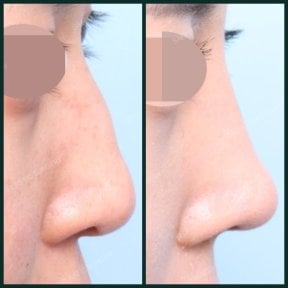
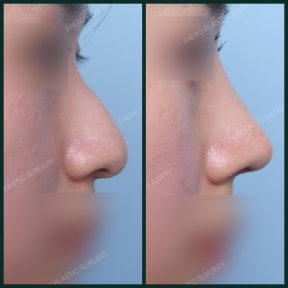
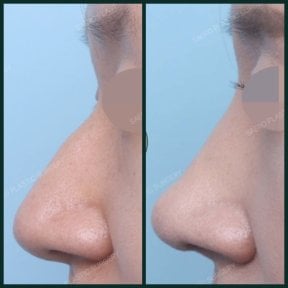
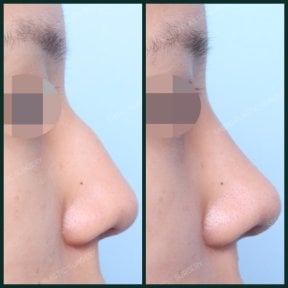
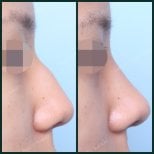
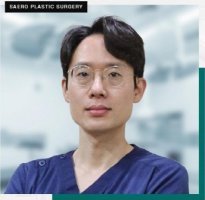
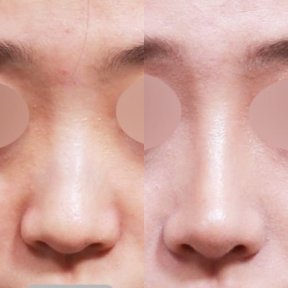
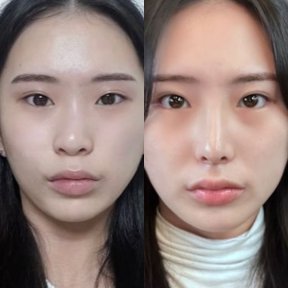
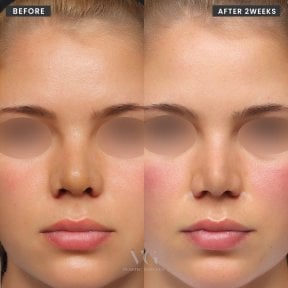
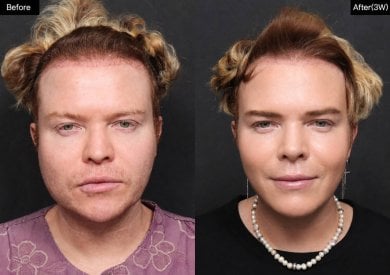
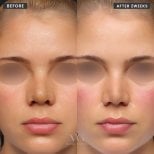
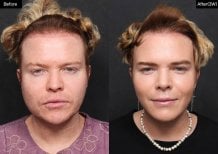
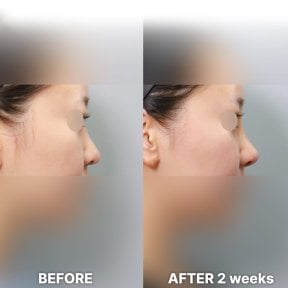
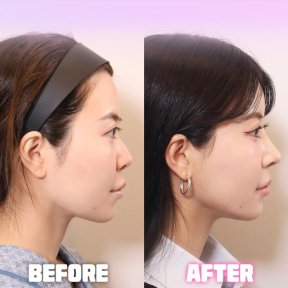
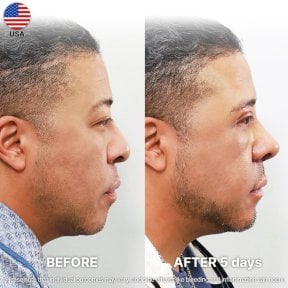
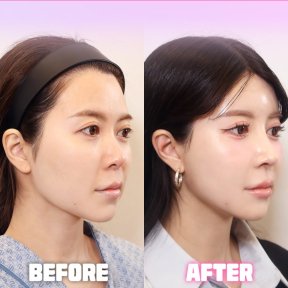
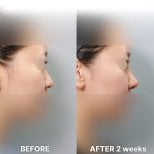
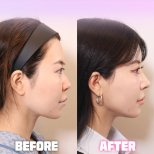
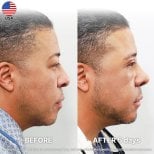
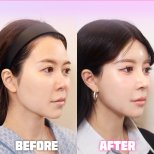
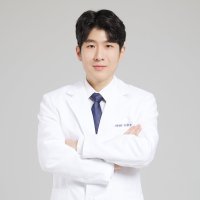
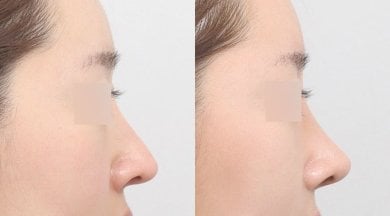
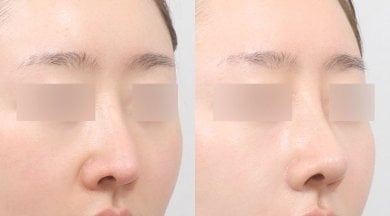
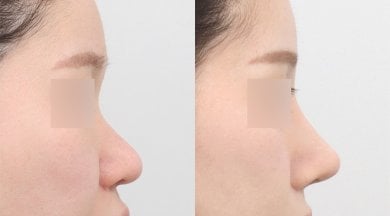
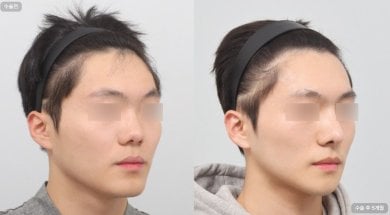
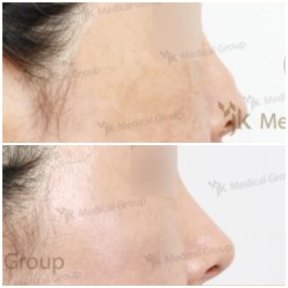
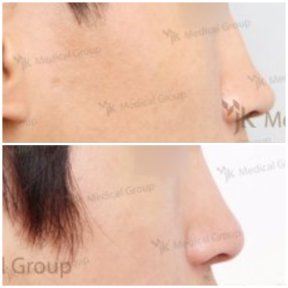
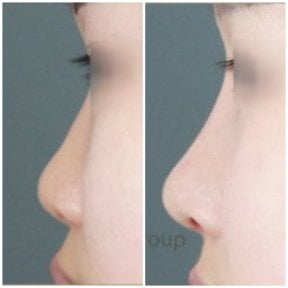
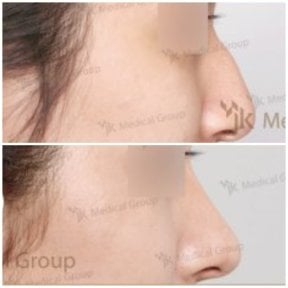
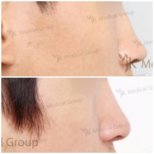
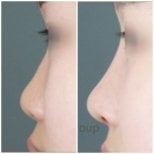
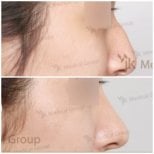
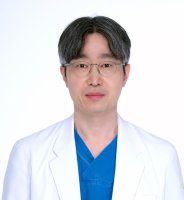
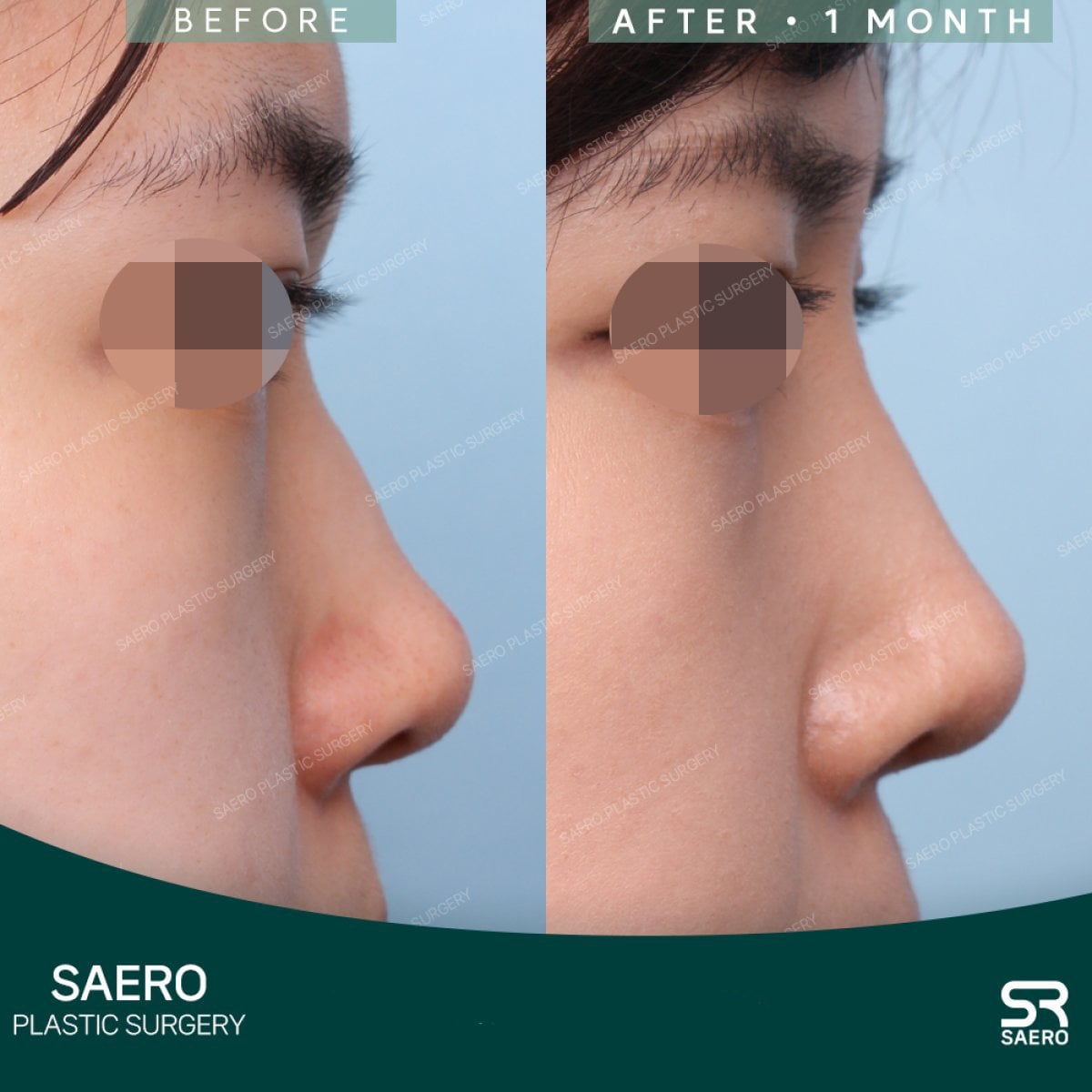
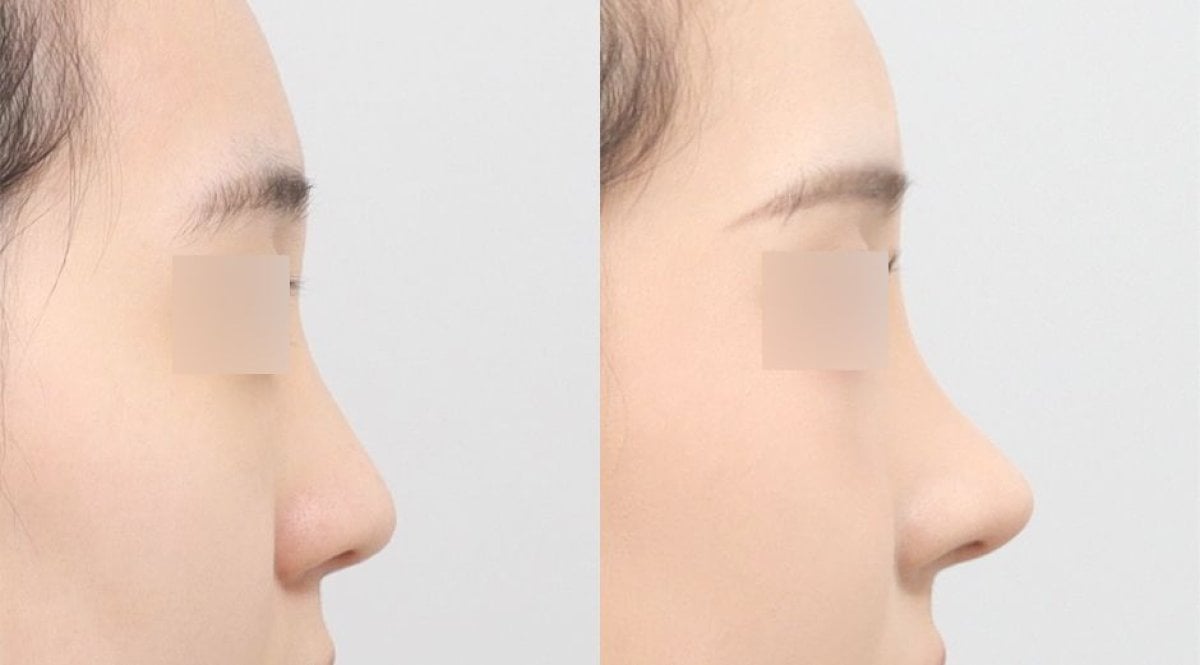
SAERO Plastic Surgery performs nasal hump removal using a no-osteotomy approach that preserves the natural nasal framework. This technique avoids bone shaving, which helps reduce recovery time and protects the nasal structure. Specialists use 3D CT imaging to plan each procedure for precise results. Patients can choose from custom materials like Gore-Tex or autologous cartilage. The clinic also provides a laser regeneration program to help with swelling and a 1-year warranty after the surgery.
How it works
How Much Does Rhinoplasty (nose job) Cost in Seoul?
Rhinoplasty in Seoul typically costs from $2,400 to $5,000. The final price depends on surgical complexity, the type of implants used, and the surgeon's expertise. Patients save around 58% compared to the US, where this procedure costs $8,900 on average. Most Seoul clinics include CT scans, 3D facial imaging, and specialized post-operative care like swelling laser treatments in their packages.
- Tip rhinoplasty: $1,500 to $3,400 for focused reshaping.
- Revision rhinoplasty: $3,300 to $8,000 for secondary corrections.
- Asian rhinoplasty: $3,500 to $5,500 for bridge and tip enhancement.
- Bulbous nose rhinoplasty: from $2,100 for refining wide tips.
Bookimed Expert Insight: Seoul clinics lead South Korea in high-volume surgical volume and advanced digital planning. You get better value by choosing clinics that integrate 3D imaging into the initial price. For instance, Returning Plastic Surgery and VG Plastic Surgery include CT scans and 3D facial modeling. This diagnostic depth helps avoid the extra costs associated with revisions later on.
| Seoul | Turkey | The USA | |
|---|---|---|---|
| Rhinoplasty (nose job) | from $2,400 | from $1,800 | from $6,000 |
| Wide Nose Rhinoplasty | from $3,000 | from $5,000 | ≈ $8,000 |
| Ultrasonic rhinoplasty | ≈ $3,500 | from $2,700 | ≈ $8,500 |
| Tip rhinoplasty | from $1,500 | from $1,500 | from $5,000 |
| Revision rhinoplasty | from $3,300 | from $2,500 | from $8,000 |
Best Rhinoplasty (nose job) Clinics in Seoul: 11 Verified Options and Prices

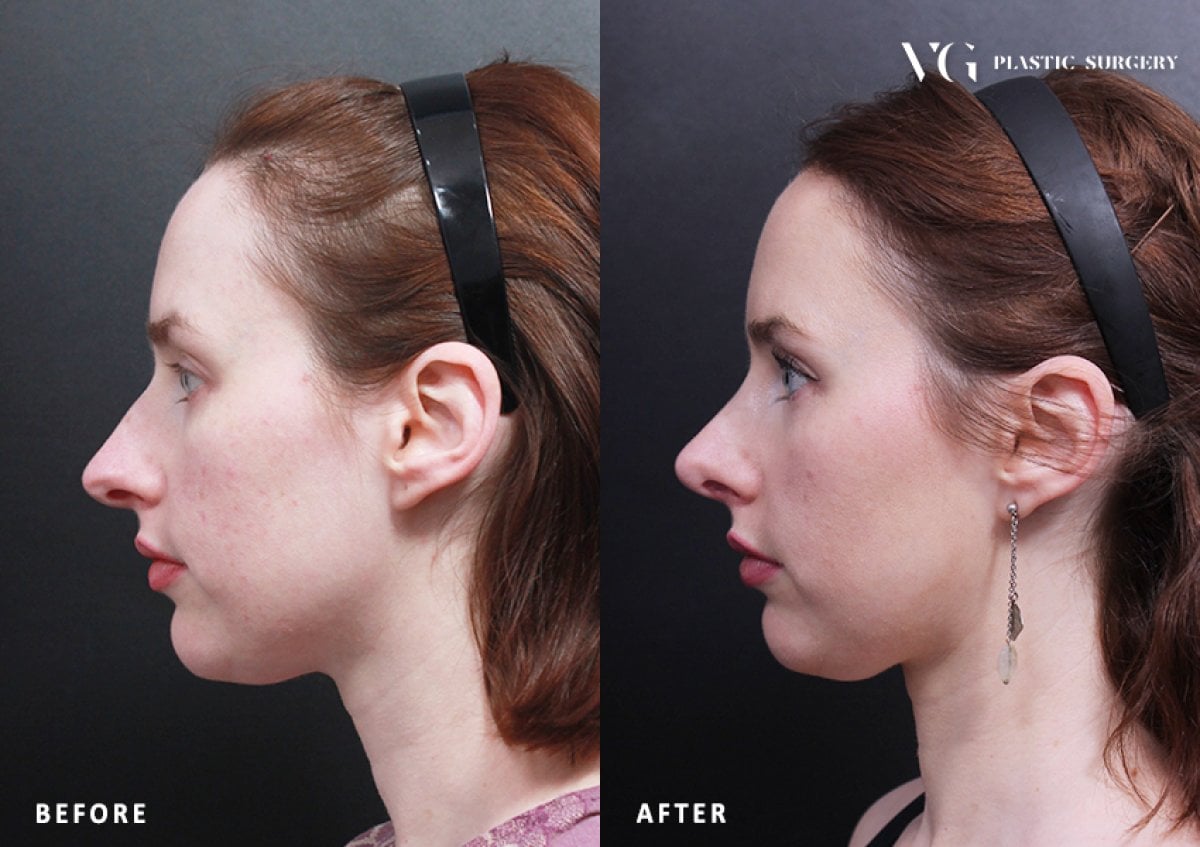
Dr. Kim Jung Hue, board-certified with experience, has performed over 900 rhinoplasty procedures. Tip rhinoplasty using autologous cartilage typically costs around 6,700,000 KRW, including surgery, anesthesia, deswelling care, and stitch removal. The Korean Institute-accredited VG Plastic Surgery clinic maintains a 4.8/5 rating from patient reviews. Dr. Kim specializes in facial plastic surgery procedures and performs open tip rhinoplasty using septal or ear cartilage grafts.


Dr. Yong Woo Kim, former director at BK Plastic Surgery, crafts 3D custom-made implants tailored to each patient's facial anatomy for a natural appearance. His expertise is underscored by achieving the top score on the Korean Society's resident board exam. This rhinoplasty package at Returning Plastic Surgery costs approximately $5,192. It includes a preoperative cosmetic kit, necessary blood tests, consultation services, and convenient parking.


AB Plastic Surgery holds KAHF accreditation from the South Korean government for its high safety standards. The clinic specializes in autologous cartilage techniques, using rib or ear cartilage for natural results. Dr. Jo Kyu-Sang is a recognized authority who chaired the rhinoplasty session at APS KOREA 2025. Patients receive precise 3D CT diagnostics and 1:1 analysis before surgery. The facility maintains a safety-first environment with in-house anesthesiologists and real-time CCTV monitoring in every operating room.

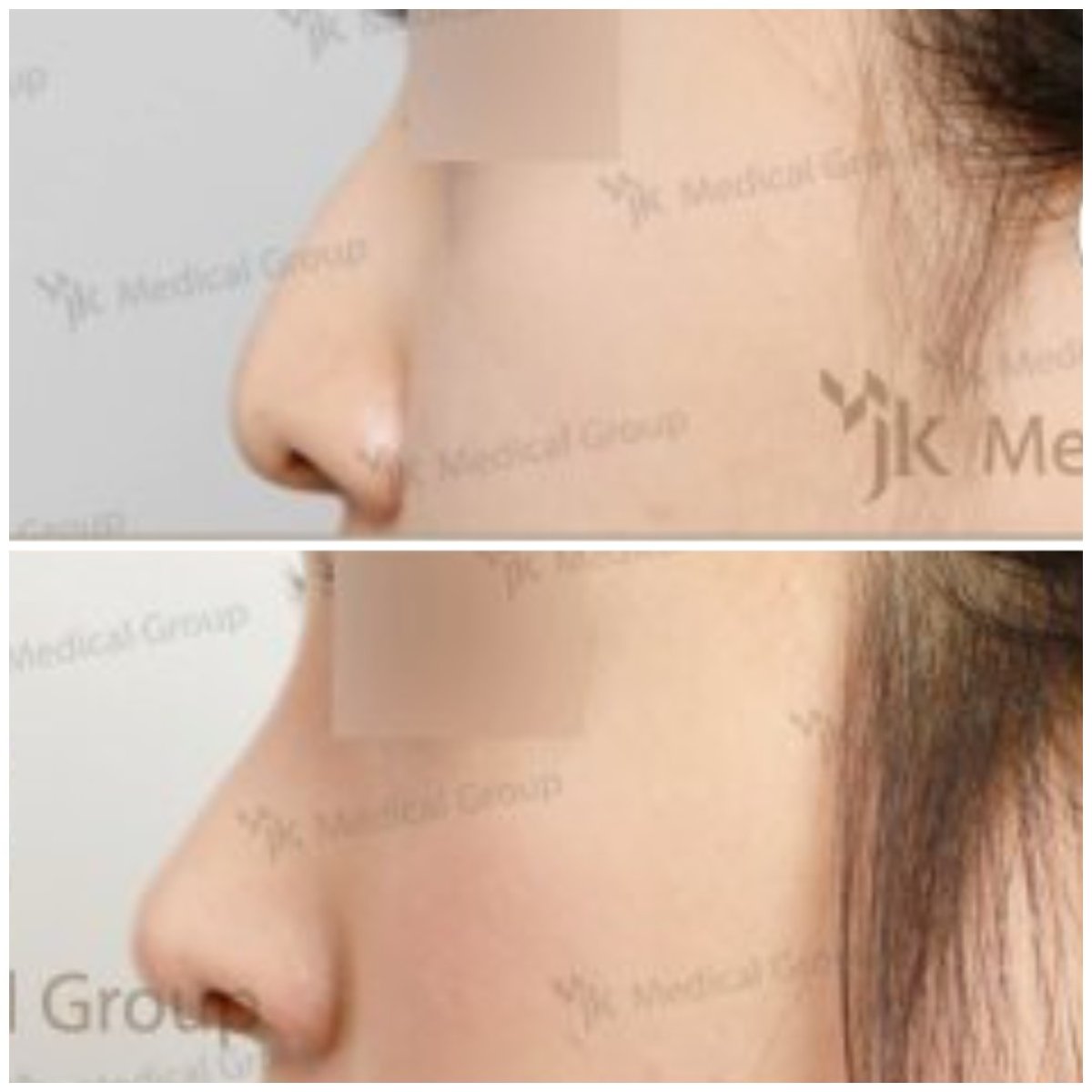
Dr. Kim Sung Sik has performed 1,100+ rhinoplasty procedures over 20 years, specializing in both bridge and tip refinement. The comprehensive package may cost around $18,000 – typically covering surgery, preoperative tests, transfers, and interpreter services. Dr. Kim holds American Society of Plastic Surgery membership and operates at KAHF-accredited JK Plastic Surgery Center. Patients can receive 7-8% tax refunds with passport documentation.
Rhinoplasty (nose job) Overview in Republic of Korea
- Rhinoplasty (nose job) - from $2,400The procedure alters the shape or size of the nose, enhancing facial harmony, and improving breathing issues.
- Tip rhinoplasty - from $1,500The procedure refines the nose"s tip, enhancing nasal balance and harmony through reshaping, offering a more aesthetically pleasing appearance.
- Closed rhinoplasty - from $3,000The operation reshapes the nose internally, ensuring a better profile with minimal scarring and faster recovery.
- Open rhinoplasty - from $3,000The nose reshaping via incisions on the outside to achieve greater surgical control and visibility.
- Revision rhinoplasty - from $3,300The procedure repairs previous nose surgeries results to improve nasal function and appearance through precise reconstructive techniques.
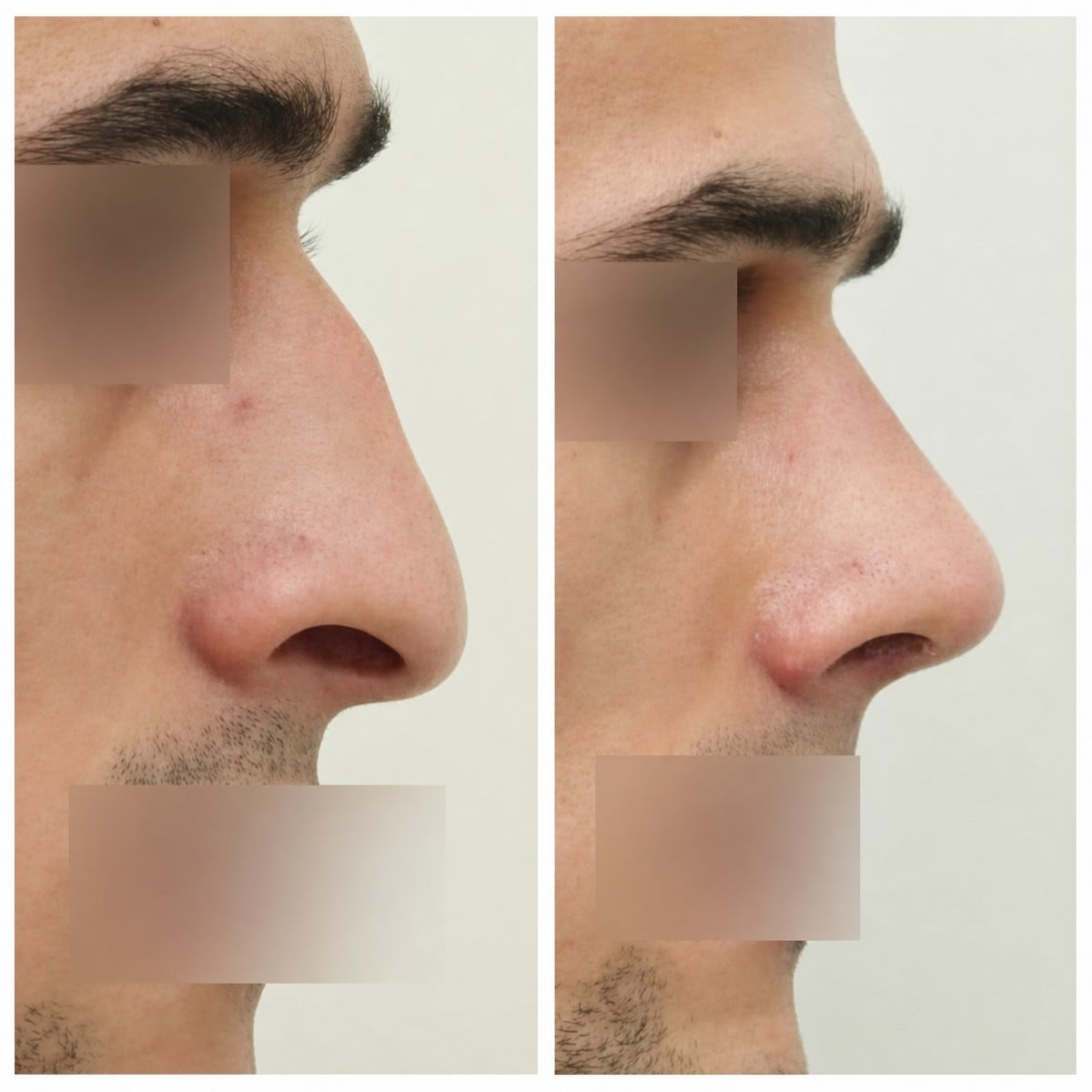
- Nasal hump removal - from $1,700The procedure smooths the nose"s shape by removing excess bone and cartilage, enhancing facial harmony.
- Ethnic Rhinoplasty - from $7,400Reshaping the nose to enhance facial harmony while respecting and preserving the patient"s unique ethnic features, ensuring a natural-looking result with careful treatment planning and recovery guidance.
- Bulbous Nose Rhinoplasty - from $2,100Reshaping a rounded nasal tip by refining cartilage and tissue, enhancing facial harmony, with recovery typically involving mild swelling and downtime.
- Osteotomy rhinoplasty - from $1,300The procedure reshapes the nose by operating on bone, enhancing aesthetic appeal and improving breathing issues.
- Male Rhinoplasty - from $6,100Reshaping of a man"s nose for improved appearance or function, involving adjustments to bone and cartilage with a recovery period of several weeks.
- Wide Nose Rhinoplasty - from $3,000This surgical procedure reshapes the nose by narrowing and refining the nasal structure, enhancing facial harmony and often leading to improved breathing and self-confidence.
Day 1 - Arrival
- Arrive at the airport and arrange transfer to the hotel.
- Check-in at the hotel.
- Relax and get a good night"s rest before the procedure.
Day 2 - Pre-operation
- Transfer to the clinic.
- Meet with the plastic surgeon for consultation.
- Perform preoperative tests such as blood tests, EKG, etc.
- Discuss the procedure, risks, and expected results with the surgeon.
- Have a physical examination.
Day 3 - Rhinoplasty
- Admission to the clinic.
- Undergo Rhinoplasty under general anesthesia.
- The procedure usually lasts 1-2 hours.
- Recovery in the clinic under medical supervision.
Day 4 - Post-operation
- Post-operative controls by the surgeon.
- Discharge from the clinic and transfer back to the hotel.
Week 1 - Rehabilitation
- Rest and recovery at the hotel.
- Follow the surgeon"s post-operative care instructions.
Week 2
- Return to the clinic for a check-up and removal of stitches.
- Continue with prescribed medication and care routine.
Week 4
- Gradual return to daily activities, avoiding strenuous exercise.
Week 6
- Normal activity can be resumed, including exercise.
- Final results start to become visible.
Please note that each patient"s recovery process may vary based on individual factors and the complexity of the procedure.
- Bookimed deposit: $200 or €200.
- Clinic deposit: Pay a set percentage in advance.
Our Trusted Doctors
View all Doctors
Park Young Kyu
Dr. Park is a board-certified plastic surgeon with prestigious awards and deep expertise in rhinoplasty.
- Awarded Top Resident by the Korean Society of Plastic and Reconstructive Surgeons
- Full Member of the Korean Rhinoplasty Research Society
- Specializes in aesthetic and reconstructive plastic surgery with precision
- Holds leadership roles in multiple plastic surgery research societies

Yong Woo Kim
Board-certified plastic surgeon with awards from Korean plastic surgery societies – Dr. Kim specializes in rhinoplasty at Returning Plastic Surgery.
- Graduated from Hanyang University College of Medicine
- Received 'Best Resident' award and highest residency exam score
- Trained at the American Society for Reconstructive Microsurgery
- Member of multiple Korean plastic surgery societies
- Former doctor at leading Korean plastic surgery clinics

Im Young Min
Dr. Im Young Min is a board-certified plastic surgeon specializing in revision rhinoplasty, with recognition as one of Korea's 100 Good Doctors in 2022.
- Ph.D. in Plastic Surgery from The Catholic University of Korea
- CEO of VG Plastic Surgery, leading a world-class practice
- Active member of Korean Association of Plastic Surgeons
- Specializes in aesthetic and reconstructive facial procedures
- Over 20 years of philanthropic work with Save the Children

Park Sangwook
Dr. Park Sangwook is a board-certified plastic surgeon specializing in rhinoplasty, currently leading VG Plastic Surgery Clinic.
- Trained in Plastic and Reconstructive Surgery at Seoul St. Mary's Hospital
- Member of multiple prestigious Korean plastic surgery societies
- Focuses on both aesthetic and reconstructive nose surgeries
- Former Director of DA Plastic Surgery Clinic before current role
Reviews about Bookimed: Discover Patients' Insights
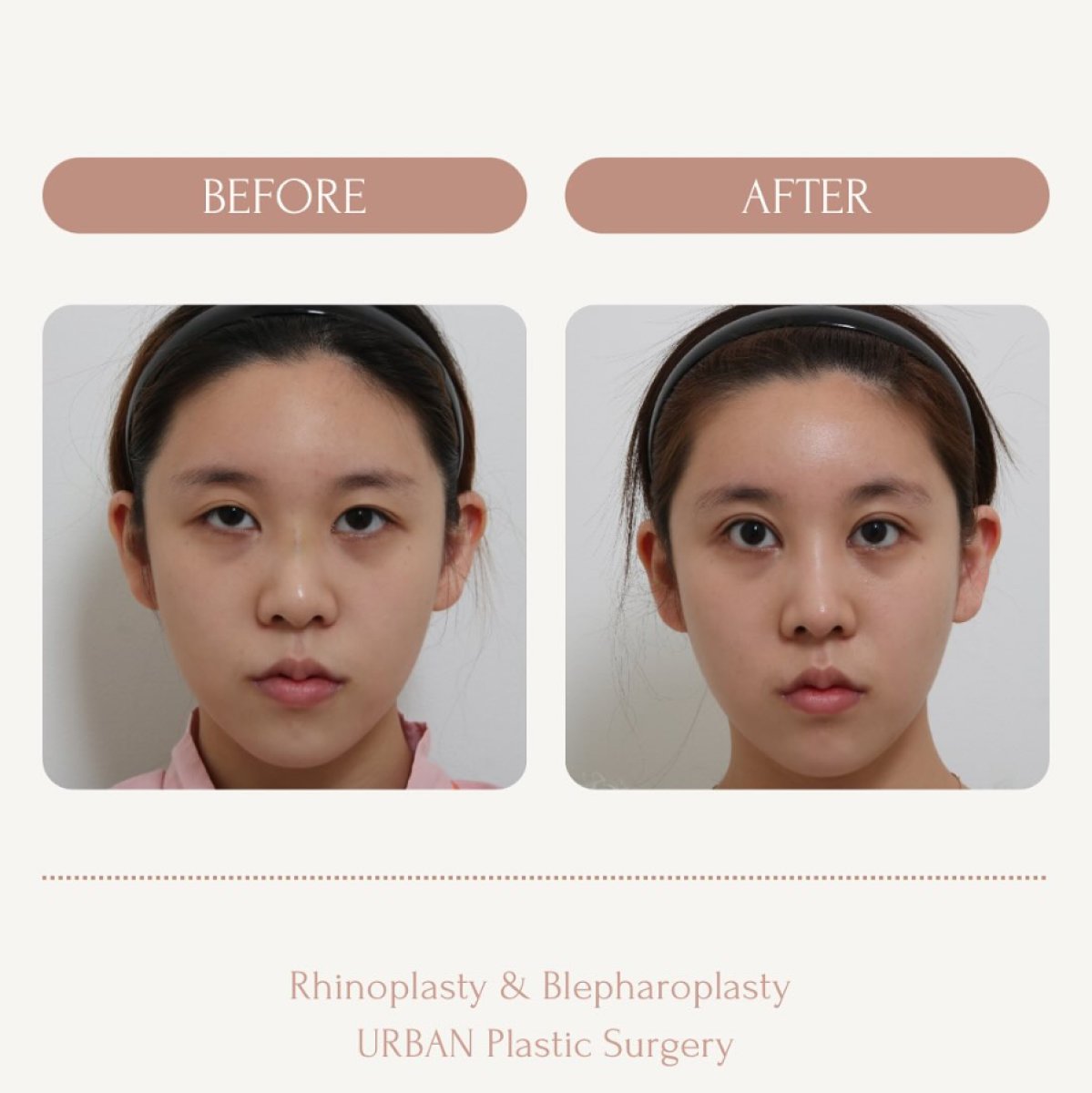
All reviewsRhinoplasty (nose job): Before & after photos
View all


Related Articles
View more
Where to Get Affordable Plastic Surgery — Top 5 Countries
Written by Anna Leonova

Cheapest Rhinoplasty Abroad: Top 4 Countries and Prices
Written by Anna Shchur

Elissa’s Rhinoplasty Journey Blog: From Dream to Reality
Written by Kateryna Zamkovska

Where to Get Rhinoplasty Safely and Successfully—Expert Tips You Need to Know
Written by Anna Shchur

Rhinoplasty Cost in the UK: Comparing Local Options and Alternatives Abroad
Written by Mariia Mytrofankina
Share this content
Anna Leonova
FAQ about treatment in Republic of Korea
What is a 'factory clinic' and how do I avoid them when getting rhinoplasty in Seoul?
A factory clinic in Seoul handles many patients and pushes for quick turnover. It relies on standardized procedures and aggressive marketing. Often, these clinics use ghost doctors: junior associates do the surgery, not the lead surgeon. To avoid them, make sure the surgeon leads the consultation and check for board certifications from KSPRS.
- Ghost doctor risks: Get written confirmation that your chosen surgeon performs 100% of the procedure.
- Consultation depth: Avoid clinics where sales coordinators plan your treatment instead of the surgeon.
- Specialization focus: Focus on single-surgeon practices, like SAERO Plastic Surgery or Returning Plastic Surgery.
- Safety credentials: Look for KOIHA-accredited facilities or KAHF-certified centers like AB Plastic Surgery.
Bookimed Expert Insight: The safest way to avoid that factory feel is choosing clinics with a low patient-to-surgeon ratio. Mega-centers like AB Plastic Surgery serve 24,000 patients with 30+ specialists. On the other hand, boutique clinics like SAERO serve only 700. Single-surgeon clinics naturally prevent ghost doctoring. The lead specialist oversees every case personally.
Patient Consensus: Patients warn against high-pressure sales of extra procedures during rushed consultations. Real experiences suggest staying in Seoul for 14 days. This way, the primary surgeon can handle all follow-up care.
How long do I need to stay in Seoul for the full recovery and follow-up process after rhinoplasty?
Most patients should stay in Seoul for 14 days after rhinoplasty to make sure they recover properly. Surgeons usually remove nasal splints and stitches between days 5 and 14. Still, you'll need the full two weeks for important swelling checks and a final safety clearance before you fly.
- Initial recovery: Rest as much as possible during days 1–4, when swelling and bruising peak.
- Splint removal: Clinics like VG Plastic Surgery typically remove nasal casts between days 5–7.
- Suture timeline: Surgeons remove external stitches by day 7, though some types require the full 14 days.
- Flying clearance: Surgeons check that your nose is stable and give you final clearance to fly after the last checkup.
Bookimed Expert Insight: Don't rush your departure based on the 7-day minimum often cited online. Our data shows that top clinics like AB Plastic Surgery and JK Plastic Surgery Center use 3D CT diagnostics to check internal healing. Patients who stay 14 days are often more satisfied. They get professional cleanings and hyperbaric oxygen therapy — Returning Plastic Surgery includes this to speed up tissue healing before the flight home.
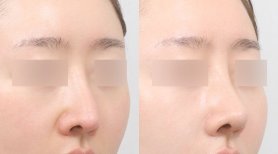
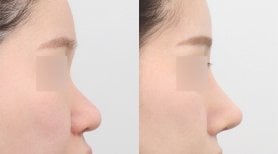
Patient Consensus: The first week is tough, so save all sightseeing for the second week. A 14-day stay is safer for handling swelling after the flight, and you won't have to find a local doctor to remove any missed stitches.
How do medical coordinators and translators assist international patients getting rhinoplasty in Seoul?
Medical coordinators and translators in Seoul help with rhinoplasty. They manage surgical logistics and ensure accurate informed consent. They also bridge communication between international patients and surgeons. They oversee 3D CT scans and translate complex techniques like rib cartilage grafting. They also coordinate post-operative care in Seoul's medical districts.
- Logistical management: Coordinators schedule 3D CT scans, blood tests, and essential follow-up appointments.
- Medical interpretation: Translators clarify surgical risks, graft types, and recovery timelines during face-to-face consultations.
- Perioperative support: Staff accompany patients through pre-op preparation and explain vital medication schedules.
- Administrative assistance: Coordinators handle clinic paperwork, local transport guidance, and medical tax refund processing.
Bookimed Expert Insight: Top Seoul clinics like AB Plastic Surgery and VG Plastic Surgery are making a shift. They now focus on 3D digital planning. Coordinators now act as technical liaisons, helping patients visualize 3D custom-made implants before surgery. High-volume centers treat over 20,000 patients a year. These staff members are the main filter. They make sure personalized surgical plans don't get lost in large-scale operations.
Patient Consensus: Patients stress that a translator fluent in rhinoplasty terms is essential. Nursing staff often have limited English, so clear communication is crucial. Having one coordinator manage the whole process often made patients feel safer. The coordinator would handle everything, from WhatsApp inquiries to splint removal.
What materials are commonly used for nasal augmentation in Seoul?
Nasal augmentation in Seoul commonly uses a combination of synthetic implants for the bridge and autologous tissues for the tip. Surgeons often use silicone or Gore-Tex for dorsal height. Septal, ear, or rib cartilage provides structural support and a natural-looking nasal tip.
- Synthetic implants: Silicone and Gore-Tex (ePTFE) provide predictable bridge shaping and dorsal height.
- Autologous cartilage: Ear and septal cartilage are standard for soft, natural tip contouring.
- Rib cartilage: Autologous or donor rib provides maximum support for complex primary or revision cases.
- 3D custom implants: Advanced clinics use 3D-CT scans to design personalized implants for facial harmony.
Bookimed Expert Insight: A major trend in Seoul is the shift toward all-cartilage rhinoplasty to avoid synthetic complications. Silicone bridge packages at clinics like Returning Plastic Surgery are popular. However, those seeking maximum structural stability often choose rib cartilage. For example, Dr. Jooyoun Kim at AB Plastic Surgery has performed over 6,000 procedures. He often uses rib cartilage for its superior strength and longevity.
Patient Consensus: Patients often prefer combining silicone for the bridge with ear cartilage for the tip. This creates a softer look. It's wise to confirm whether rib cartilage is your own or donor-derived. This helps you plan for chest recovery.